
)_edited_pn.png)


Achilles Tendinopathy: When to See a Sports Medicine Physician
Updated: 2 days ago
Quick answer: Achilles tendinopathy often causes pain and stiffness near the heel or several centimeters above it.
Achilles tendinopathy often causes pain and stiffness near the heel or several centimeters above it. Symptoms can be worse during the first steps in the morning, at the start of exercise or after a sudden increase in training.
Early treatment
Reducing aggravating load without complete inactivity is usually helpful. Progressive calf strengthening is one of the most important treatments, but the program should be adjusted for insertional versus mid-portion disease.
When to get evaluated
Persistent pain beyond several weeks, increasing swelling, weakness, inability to perform a single-leg heel raise or a sudden pop should prompt evaluation. A complete rupture requires urgent assessment.
Advanced treatment
Ultrasound can show thickening, partial tearing and calcification. Shockwave therapy may help chronic tendinopathy. PRP and other image-guided procedures are sometimes considered, although evidence varies.
When to seek care
Persistent pain, progressive weakness, recurrent swelling, locking, inability to bear weight after an injury, or symptoms that limit sleep and daily activity deserve medical evaluation. Treatment is most effective when it is based on a clear diagnosis rather than simply the location of pain.
Related care: Achilles tendinopathy treatment
Carolina Nonsurgical Orthopedics provides physician-led evaluation and nonsurgical treatment for musculoskeletal conditions in Raleigh and Cary, North Carolina. This article is for general education and is not a substitute for an individual medical evaluation.
Related orthopedic resources
A Closer Look at Achilles Tendinopathy
Foot and ankle pain can come from tendons, ligaments, joints, plantar fascia, or cartilage injuries. Because these structures are closely packed together and are repeatedly loaded with walking and exercise, determining the exact source of symptoms is particularly important in chronic cases.
Nonsurgical Treatment and PRP for foot and ankle in Raleigh & Cary
PRP may be considered for selected chronic foot and ankle tendon, ligament, fascia, or arthritic problems when standard conservative treatment has not provided adequate improvement. Ultrasound guidance can help visualize the involved structure and improve precision when an injection-based treatment is chosen.
At Carolina Nonsurgical Orthopedics, the goal when evaluating foot and ankle pain is to match treatment to the specific diagnosis rather than simply treating the location of pain. Patients in Raleigh and Cary may have options that include targeted rehabilitation, activity modification, shockwave therapy, image-guided injections, PRP, or other regenerative approaches depending on the condition and its severity.
About Your Physicians
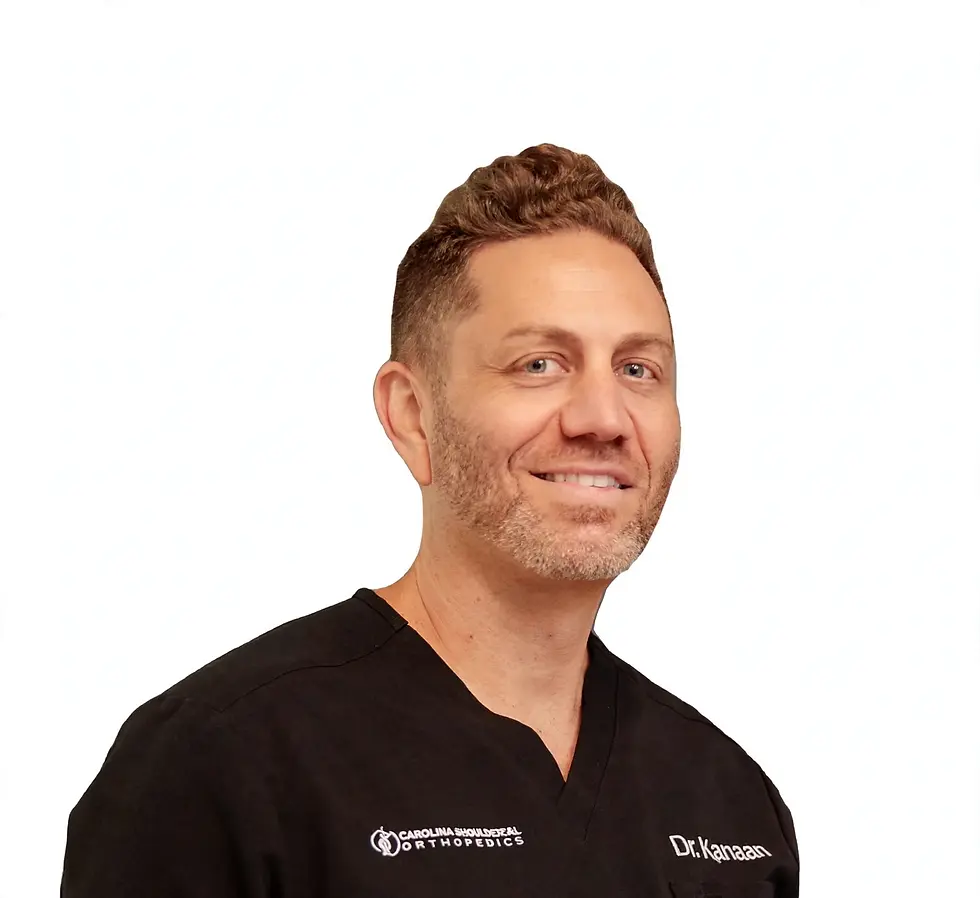
Dr. Matthew Kanaan
Nonsurgical Orthopedic Specialist
Founder of Carolina Nonsurgical Orthopedics. Fellowship trained in sports medicine at Duke; residency in family medicine at Duke, where he served as Chief Resident.
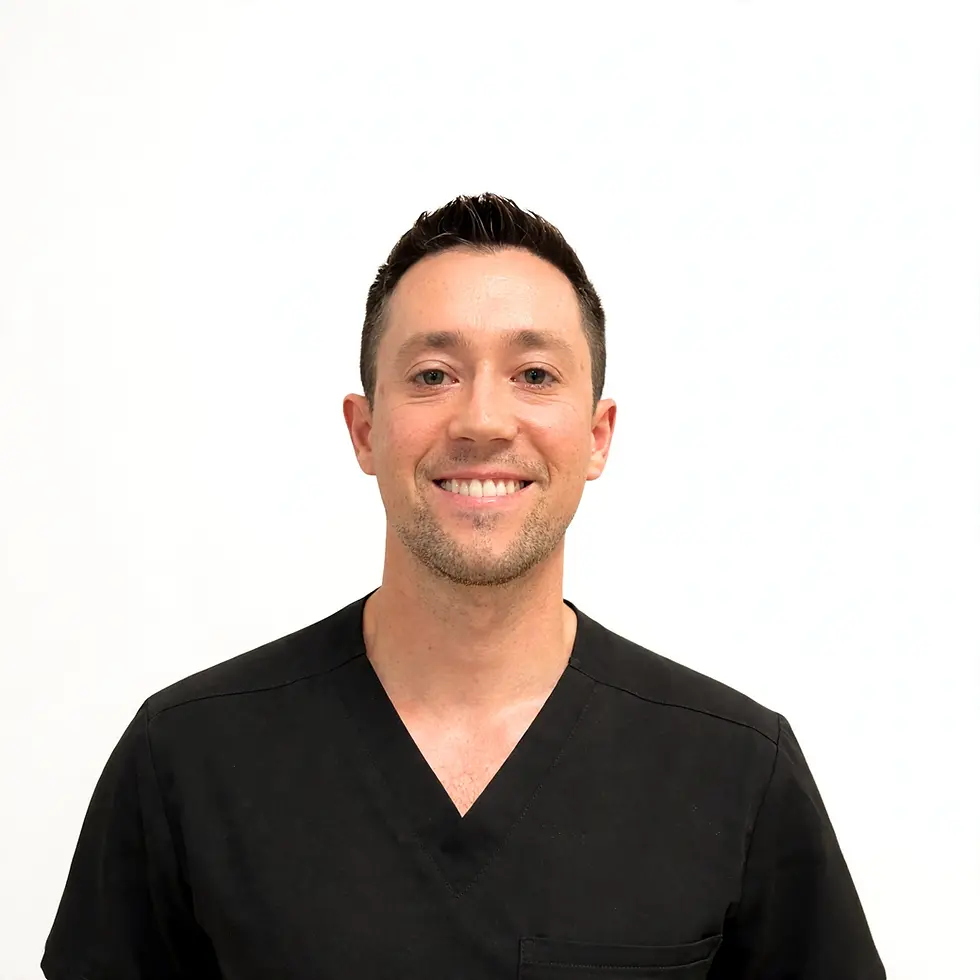
Dr. Pierce Knox
Nonsurgical Orthopedic Specialist
Fellowship trained in nonsurgical sports medicine at Penn Medicine; residency in primary care at Christiana Care.


