.png)
)_edited_pn.png)


PRP and Shockwave Therapy for Plantar Fasciitis: A Natural Alternative to Steroid Injections
Plantar fasciitis is one of the most common causes of heel pain, often causing sharp pain on the bottom of the foot, especially with the first steps in the morning or after periods of rest. This condition occurs when the plantar fascia—a thick band of connective tissue along the bottom of the foot—becomes irritated and degenerative over time. It is common in runners, active individuals, and people who spend long periods standing or walking.
Many patients are treated with steroid injections, which may temporarily reduce pain but do not repair the damaged tissue. Repeated steroid injections can also weaken the plantar fascia and increase the risk of fascia rupture.
Because of this, regenerative treatments such as high-dose PRP and shockwave therapy are increasingly used to stimulate healing rather than simply masking symptoms.
At Carolina Nonsurgical Orthopedics in Raleigh and Cary, we frequently use these treatments to help patients recover from chronic plantar fasciitis and return to activity.
High-Dose PRP for Plantar Fasciitis
PRP (Platelet-Rich Plasma) is created from a small sample of your own blood that is processed to concentrate platelets and healing growth factors. At our clinic we typically use high-dose PRP (double-spin PRP), which produces a higher concentration of healing factors than standard PRP systems.
Using ultrasound guidance, PRP is injected directly into the damaged portion of the plantar fascia.
During the procedure, the fascia is often gently fenestrated (also called tendon or fascia needling). This technique creates small micro-channels within the degenerative tissue to stimulate a healing response and allow the PRP to penetrate the injured area more effectively.
High-dose PRP may help with:
• Chronic plantar fasciitis
• Heel pain that has not improved with rest or therapy
• Degenerative plantar fascia injuries
• Persistent foot pain with walking or running
PRP works by stimulating the body’s natural healing processes, helping improve tissue health and reduce chronic inflammation.
Shockwave Therapy for Plantar Fasciitis
Shockwave therapy is a noninvasive treatment that uses acoustic pressure waves to stimulate healing in chronic soft tissue injuries.
Shockwave therapy may help:
• Increase blood flow to the plantar fascia
• Break up degenerative tissue
• Stimulate tissue regeneration
• Activate the body’s natural healing response
Shockwave therapy is often used before PRP injections to help activate the plantar fascia and improve the effectiveness of regenerative treatment.
Treating the Entire Plantar Fascia
Plantar fasciitis often involves degeneration across a broader portion of the fascia rather than a single focal point.
At Carolina Nonsurgical Orthopedics, we evaluate and treat the entire plantar fascia region rather than focusing on one painful spot.
Treatment may include:
• Shockwave therapy across the affected fascia
• Ultrasound-guided PRP injection with fascia fenestration
• Addressing surrounding tissue contributing to stress on the fascia
By improving the overall health of the plantar fascia, regenerative treatments may help provide longer-lasting relief.
Plantar Fasciitis Treatment in Raleigh and Cary
Regenerative treatments such as high-dose PRP and shockwave therapy allow physicians to stimulate healing without relying on repeated steroid injections.

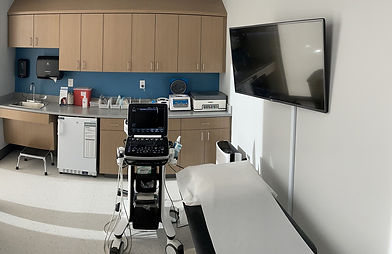
TREATMENT OPTIONS FOR PLANTAR FASCIITIS IN RALEIGH, NC
As with most orthopedic conditions, patients will often begin with a combination of physical therapy, anti-inflammatories, ice and rest (and in some cases, steroid injections).
When these methods are no longer effective, Carolina Nonsurgical Orthopedics offers the latest in cutting-edge treatments to reduce pain and get you back to the activities you enjoy. Some of these innovative alternatives to surgery include Orthobiologics and Regenerative Medicine treatments, such as:
-
Platelet-Rich Plasma (PRP) Injections: Use your own platelets to reduce inflammation and accelerate healing.
-
Prolotherapy: Uses dextrose (sugar water) in place of steroid to reduce pain and promote healing.
-
Shockwave: A non-invasive therapy that uses impulses to treat chronic pain and repair tissue.
-
Walking Boot and Night Splint
See the full list of conditions and treatments offered at Carolina Nonsurgical Orthopedics.
READ MORE ABOUT PLANTAR FASCIITIS
Plantar Fasciitis: Overview Plantar fasciitis is a common cause of heel pain, characterized by inflammation of the plantar fascia, a thick band of tissue that runs across the bottom of the foot from the heel to the toes. The condition typically occurs due to repetitive strain, overuse, or injury to the fascia, which can cause small tears in the tissue. It is most common in individuals who are overweight, have high arches or flat feet, or engage in activities involving prolonged standing or running. The primary symptom of plantar fasciitis is sharp pain in the heel, particularly with the first steps in the morning or after prolonged periods of rest. The pain may improve throughout the day but often returns after standing or walking for long periods. Risk factors include age, obesity, inappropriate footwear, and certain occupations that require standing for extended periods. Tight calf muscles and abnormal walking patterns can also contribute to the condition.


WHY CAROLINA
NONSURGICAL ORTHOPEDICS
-
All Providers are BOARD CERTIFIED and Specially Trained in Nonsurgical Orthopedics
-
Over 50,000+ and Counting Procedures Performed
-
Procedures Performed with Ultrasound Guidance for Accuracy and Safety
-
Local and Independent Practice That is NOT a Franchise
-
Discounts for Service Members, Teachers, and Public Servants
-
Serving Raleigh Since 2013