.png)
)_edited_pn.png)

PRP for Knee Arthritis in Raleigh & Cary, NC
Platelet-Rich Plasma (PRP) injections have become one of the most requested nonsurgical treatments for knee arthritis in Raleigh and Cary. Patients seeking alternatives to steroid injections or knee replacement surgery often turn to PRP for a more biologically driven approach.
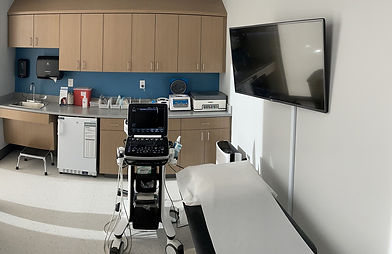
At Carolina Nonsurgical Orthopedics, PRP therapy is performed using advanced preparation techniques and ultrasound guidance to maximize precision and effectiveness.
What Is PRP?
PRP is derived from your own blood. After a small blood draw:
-
The sample is processed to concentrate platelets.
-
Growth factors are isolated.
-
The concentrated solution is injected into the knee joint under ultrasound guidance.
Platelets contain bioactive proteins that may support tissue repair and modulate inflammation.
Why PRP for Knee Arthritis?
PRP is commonly used for:
-
Mild to moderate osteoarthritis
-
Early cartilage degeneration
-
Active patients seeking to delay surgery
Potential benefits include:
-
Reduced inflammation
-
Improved joint lubrication
-
Pain reduction
-
Improved function
Unlike cortisone, PRP does not suppress the body’s healing response.
How Many PRP Treatments Are Needed?
Many patients receive 1–2 injections depending on severity. In some cases, PRP may be combined with shockwave therapy or other regenerative treatments as part of a 12-week joint optimization program.


TREATMENT OPTIONS FOR ARTHRITIS KNEE PAIN IN Raleigh, NC
As with most orthopedic conditions, patients will often begin with a combination of physical therapy, anti-inflammatories, ice and rest (and in some cases, steroid injections). When these methods are no longer effective, Carolina Nonsurgical Orthopedics offers the latest in cutting-edge treatments to reduce pain and get you back to the activities you enjoy.
While we do offer traditional treatments for arthritis knee pain such as steroid injections, gel injections, and unloader braces, we also strive to offer more advanced and innovative treatments for our patients.
Some of these innovative alternatives to surgery include Orthobiologics and Regenerative Medicine treatments, such as:
-
Platelet-Rich Plasma (PRP) Injections: Use your own platelets to reduce inflammation and accelerate healing.
-
MFAT Cell Therapy (Stem Cells): Use your own adipose (fat) cells to stimulate regrowth of damaged tissue (primarily beneficial for arthritis and major injuries).
-
Prolotherapy: Uses dextrose (sugar water) in place of steroid to reduce pain and promote healing.
-
Shockwave: A non-invasive therapy that uses impulses to treat chronic pain and repair tissue.
-
SUPER PRP + A combination of our high dose PRP and either HA or plasma proteins.
See the full list of conditions and treatments offered at Carolina Nonsurgical Orthopedics.
READ MORE ABOUT ARTHRITIS KNEE PAIN
Causes of Knee Arthritis and Nonsurgical Treatment: Arthritis of the knee is a common and often debilitating condition that affects millions of people, particularly as they age. It occurs when the protective cartilage that cushions the knee joint wears down, leading to pain, stiffness, and reduced function. There are several causes of knee arthritis, with osteoarthritis (OA) being the most common. However, rheumatoid arthritis (RA) and post-traumatic arthritis can also contribute to knee joint degeneration. Fortunately, nonsurgical treatments can help manage symptoms, improve function, and enhance quality of life for individuals with knee arthritis. Causes of Knee Arthritis 1. Osteoarthritis (OA): The most common form of knee arthritis, OA occurs when the cartilage that covers the surfaces of the knee joint breaks down due to wear and tear. This leads to bone-on-bone contact, which results in pain, swelling, and reduced joint movement. Risk factors for OA include age, obesity, family history, previous knee injuries, and repetitive stress on the joint. 2. Rheumatoid Arthritis (RA): RA is an autoimmune disorder in which the body’s immune system mistakenly attacks the synovial lining of the joint, causing inflammation, pain, and eventual joint destruction. Although RA can affect any joint, the knee is an area commonly affected. 3. Post-Traumatic Arthritis: This type of arthritis develops after an injury to the knee, such as a fracture, ligament tear, or meniscal injury. Over time, the joint can wear down due to altered mechanics and damage to the cartilage. 4. Other Factors: Other causes include metabolic conditions like gout or pseudogout, in which crystals form in the joint, causing inflammation and pain. Nonsurgical Treatments for Knee Arthritis Nonsurgical treatments focus on managing symptoms, improving mobility, and enhancing quality of life. They can be effective in slowing disease progression and delaying the need for surgical interventions such as knee replacement. Conclusion Knee arthritis, whether due to osteoarthritis, rheumatoid arthritis, or post-traumatic injury, can significantly affect quality of life. However, nonsurgical treatments, including physical therapy, medications, weight management, assistive devices, and activity modification, can be highly effective in managing symptoms and improving function. These approaches not only help reduce pain and inflammation but also delay the need for more invasive treatments, such as joint replacement surgery. Early intervention and a comprehensive, individualized treatment plan are key to managing knee arthritis and maintaining an active and fulfilling lifestyle.


WHY CAROLINA
NONSURGICAL ORTHOPEDICS
-
All Providers are BOARD CERTIFIED and Specially Trained in Nonsurgical Orthopedics
-
Over 50,000+ and Counting Procedures Performed
-
Procedures Performed with Ultrasound Guidance for Accuracy and Safety
-
Local and Independent Practice That is NOT a Franchise
-
Discounts for Service Members, Teachers, and Public Servants
-
Serving Raleigh Since 2013