.png)
)_edited_pn.png)


PRP for Achilles Tendinopathy: An Honest Look at the Evidence
Updated: 17 hours ago
The Post Where We Tell You the Evidence Is Mixed
Most clinic blogs only write about PRP where the evidence looks great. This isn't one of those posts. PRP for Achilles tendinopathy has a genuinely mixed evidence base — weaker than tennis elbow, weaker than knee arthritis — and you deserve to know that before deciding.
That said, "mixed" doesn't mean "useless." It means the decision requires judgment: the right patient, the right timing, and honest expectations.
What the Trials Show
The Achilles PRP literature is a split decision:
Several randomized trials found PRP no better than saline placebo for chronic midportion Achilles tendinopathy when both groups did eccentric loading rehab. That's a real negative signal, not a quirk.
Other studies — particularly in insertional Achilles tendinopathy and in athletic populations — have shown benefit, with pain and function improvements over controls.
Meta-analyses land in the "uncertain to modestly positive" range, with significant heterogeneity between studies (different PRP preparations, different injection techniques, different rehab protocols).
Compare that to tennis elbow, where the PRP evidence is consistently positive across trials, and the contrast is stark. The Achilles is a harder tendon to help — thicker, poorer blood supply in the midportion, and heavily load-dependent in a way that makes "rest the injection" advice impractical for runners.
Why the Evidence Might Understate PRP's Role
A fair reading acknowledges the trial limitations:
Most negative trials tested a single PRP injection; clinical practice often uses a series
PRP preparations varied wildly between studies — leukocyte-rich vs. poor, different volumes, different centrifuge systems — and "PRP" isn't one standardized product
The Achilles responds slowly to everything; trial follow-ups may not capture the full timeline
Eccentric loading (the Alfredson protocol) is so effective that beating "placebo + great rehab" is a high bar — PRP's marginal benefit is harder to detect, not necessarily absent
None of this erases the negative trials. But it explains why experienced clinicians still use PRP for selected Achilles cases while respecting what the data says.
When PRP Still Makes Sense for an Achilles
We offer PRP for Achilles tendinopathy selectively, not routinely:
Chronic cases (6+ months) that have failed a proper eccentric loading program and shockwave therapy — the two highest-evidence interventions, which come first
Insertional tendinopathy with associated bursitis, where the evidence is relatively more favorable
Athletes needing to avoid the downtime of more invasive options
As part of a comprehensive plan — PRP doesn't replace the loading program; it complements it
What we don't do: lead with PRP for an Achilles that hasn't had proper rehab, or promise the outcomes the tennis-elbow literature would support. Different tendon, different evidence, different conversation.
The Treatment Ladder We Actually Use
Eccentric loading (Alfredson protocol) — the foundation, highest evidence
Activity modification and load management — not complete rest, but intelligent deloading
**Shockwave therapy** — strong evidence for chronic Achilles tendinopathy, non-invasive
Ultrasound-guided PRP — for the chronic, refractory cases described above
Surgical debridement — reserved for truly recalcitrant cases after exhaustive conservative care
Note what's missing from the list: corticosteroid injection. Steroids around the Achilles carry a tendon rupture risk that makes them a poor trade — one of the few places we're firmly anti-cortisone.
What to Expect From PRP
Ultrasound-guided injection into or around the degenerative tendon segment (never intratendinous corticosteroid — different procedure, different risk). Post-injection soreness for several days is expected. The loading program continues — modified, not stopped. Improvement, when it comes, builds over 6–12 weeks. We assess response at 3 months before discussing any repeat treatment.
The Bottom Line
PRP for Achilles tendinopathy: weaker evidence than we'd like, real negative trials, but a legitimate selective role for chronic cases that have failed the higher-evidence options. We'd rather tell you that upfront than sell you a tennis-elbow story for an Achilles problem.
Schedule Your Evaluation
Call Carolina Nonsurgical Orthopedics at 919.719.2270 or schedule your visit online. With offices in Raleigh and Cary, NC — and in-office ultrasound to grade your tendon the same day — we'll place PRP honestly in your Achilles treatment ladder, even if the honest placement is "not yet."
About Your Physicians
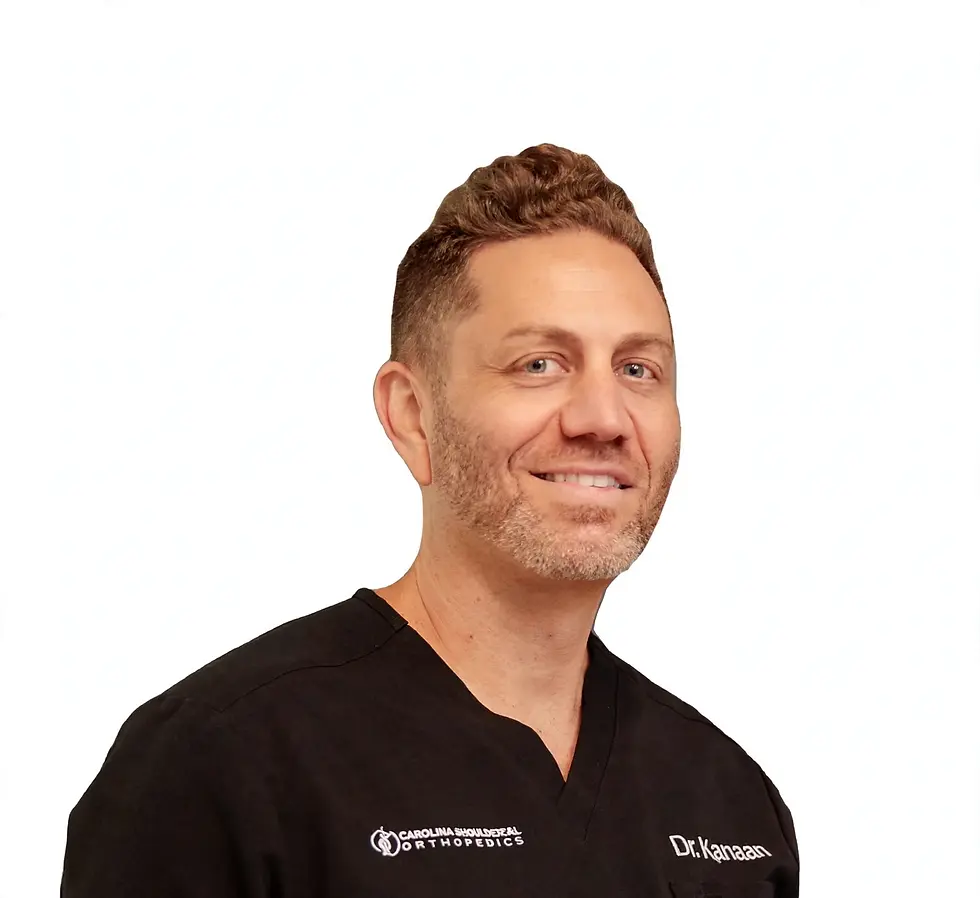
Dr. Matthew Kanaan
Nonsurgical Orthopedic Specialist
Founder of Carolina Nonsurgical Orthopedics. Fellowship trained in sports medicine at Duke; residency in family medicine at Duke, where he served as Chief Resident.
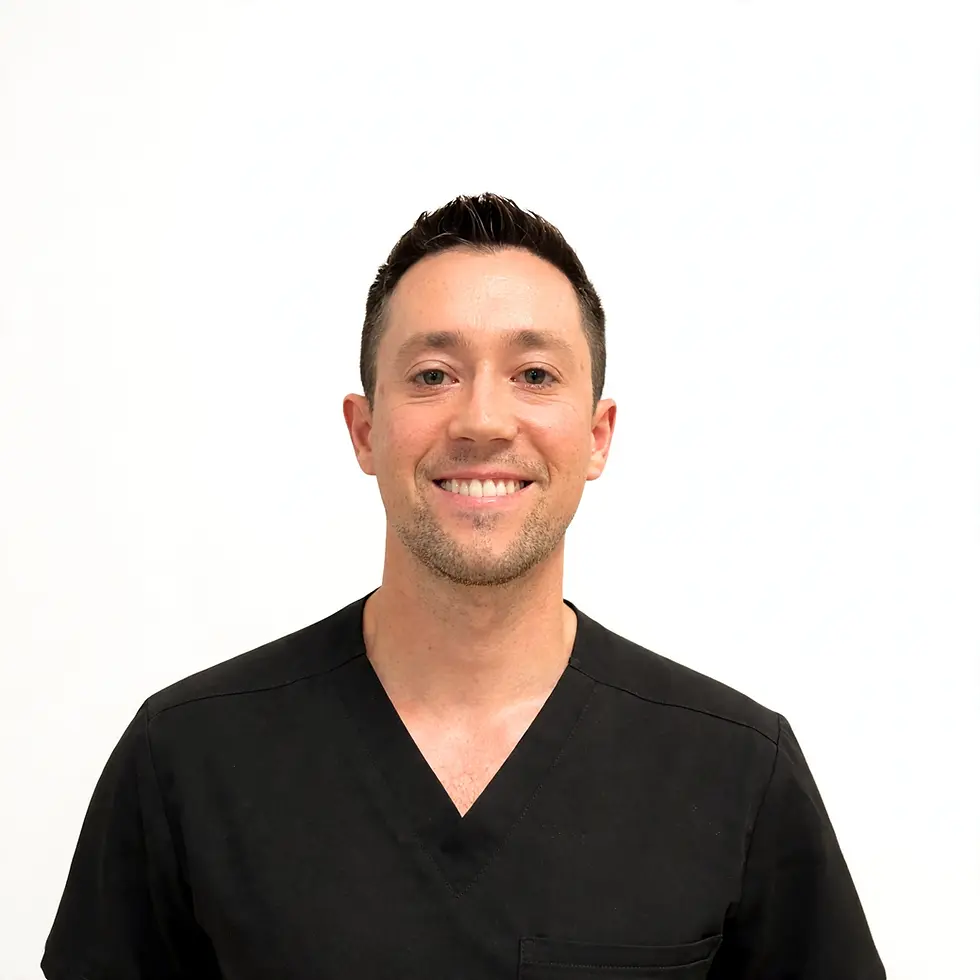
Dr. Pierce Knox
Nonsurgical Orthopedic Specialist
Fellowship trained in nonsurgical sports medicine at Penn Medicine; residency in primary care at Christiana Care.