.png)
)_edited_pn.png)


What to Expect After Knee Arthroscopy — And When Ongoing Pain Isn't Normal
The Surgery Went Fine. The Knee Didn't Get the Memo.
Knee arthroscopy — the "clean-up" scope for meniscus tears, cartilage damage, or arthritis — has one of the widest gaps in orthopedics between what patients expect and what happens. Many people are told it's minor, routine, back-on-your-feet-in-weeks. Then they're still hurting at three months and wondering if something went wrong.
Here's the honest timeline.
Normal Recovery, Phase by Phase
Weeks 1–2: Swelling, stiffness, soreness. This is the easy part to understand — your knee was operated on.
Weeks 3–6: Steady improvement for most. Walking normalizes, swelling fades, PT progresses.
Months 2–3: The majority of uncomplicated cases feel substantially better. Not perfect — but clearly on the right trajectory.
Months 3–6: Continued gradual gains. Residual aching with heavy activity can be normal.
When It's Not Normal
No meaningful improvement by 8–12 weeks. The trajectory matters more than any single day — but a flat line at three months deserves re-evaluation.
New mechanical symptoms — catching or locking that wasn't there before the scope.
Swelling that never resolves or keeps recurring with minimal activity.
Pain that's worse than before surgery. This happens, and it needs an honest workup, not reassurance.
Why Arthroscopy Sometimes Doesn't Help
The most common reason: the scope treated something that wasn't the main pain generator. For degenerative meniscus tears with underlying arthritis, sham-controlled trials show the surgery itself adds little over placebo — trimming the torn meniscus doesn't treat the arthritic joint around it. The MRI showed a tear, the tear got trimmed, but the arthritis kept hurting. This is the single most common story we hear.
Other possibilities: incomplete rehab, new cartilage injury, or occasionally a complication like infection or blood clot (rare, but time-sensitive — fever, calf pain, or a hot red knee after surgery is an urgent call to your surgeon, not us).
What We Can Do When the Scope Didn't Fix It
This is a population we see constantly. The evaluation starts over: exam, ultrasound, and figuring out what's actually generating pain now — the arthritic joint, residual meniscal pathology, scar tissue, or something the first workup missed.
Options depend on the findings: structured rehab (often underdone the first time), PRP for the degenerative joint environment, or targeted treatment of a specific residual lesion. What we don't do is recommend a second scope for the same degenerative problem that didn't respond to the first one.
Still Hurting After Your Scope?
Call Carolina Nonsurgical Orthopedics at 919.719.2270 or schedule online. Offices in Raleigh and Cary, NC. We'll find out what's actually hurting — and it might not be what the first MRI said.
About Your Physicians
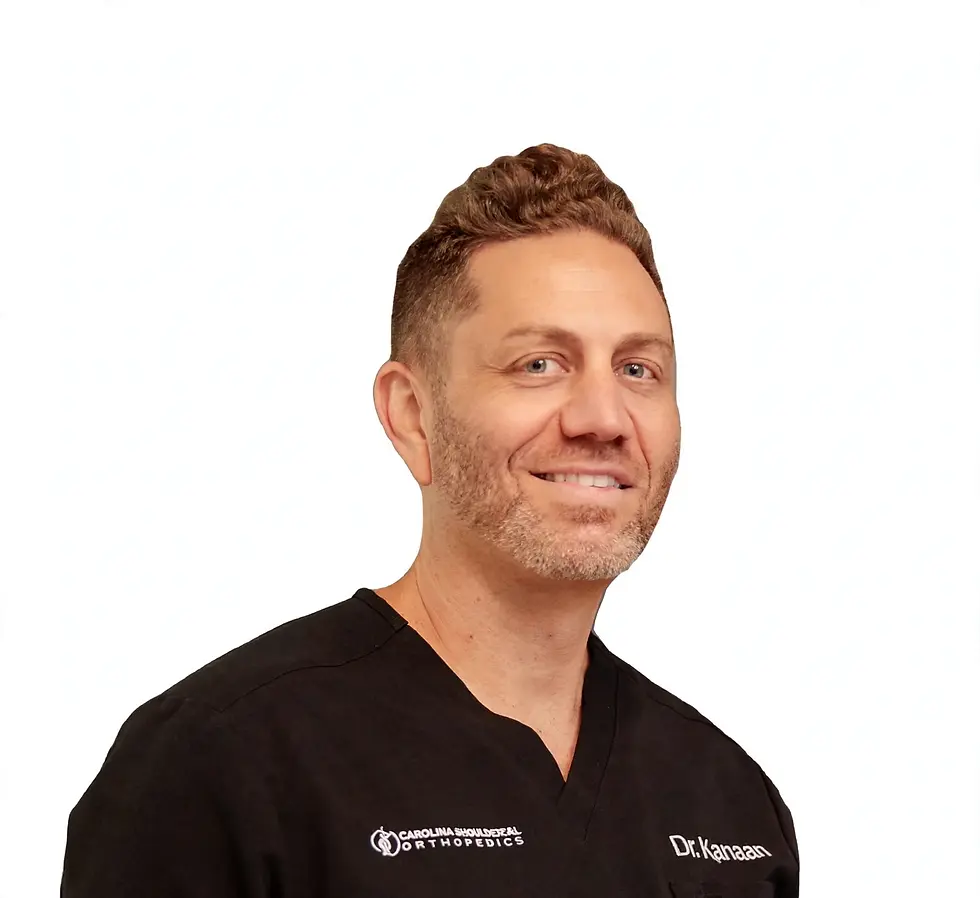
Dr. Matthew Kanaan
Nonsurgical Orthopedic Specialist
Founder of Carolina Nonsurgical Orthopedics. Fellowship trained in sports medicine at Duke; residency in family medicine at Duke, where he served as Chief Resident.
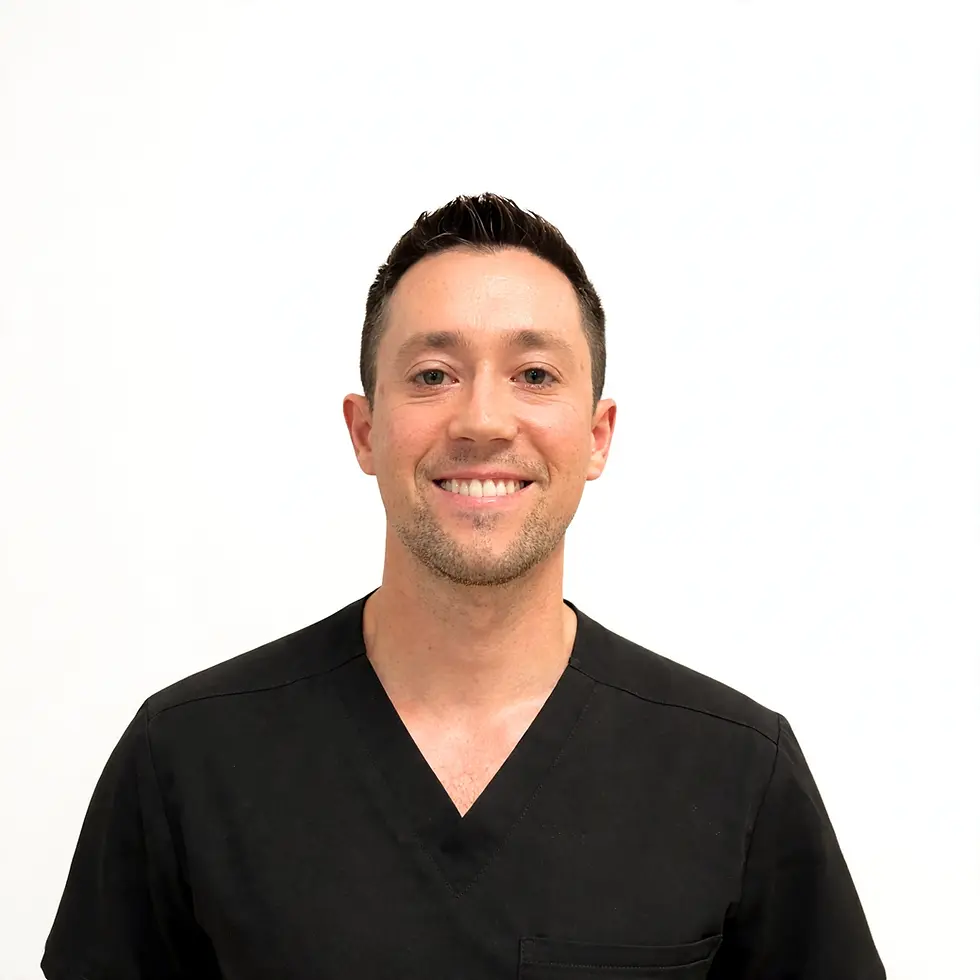
Dr. Pierce Knox
Nonsurgical Orthopedic Specialist
Fellowship trained in nonsurgical sports medicine at Penn Medicine; residency in primary care at Christiana Care.