
)_edited_pn.png)


Proximal Hamstring Tendinopathy: PRP in Raleigh & Cary, NC
Updated: 1 day ago
Quick answer: PRP (platelet-rich plasma) is a concentrated injection of platelets from your own blood, placed under ultrasound guidance. At our Raleigh & Cary offices it is a cash-pay, nonsurgical treatment, and candidacy and exact pricing are reviewed at the evaluation, before you commit.
Related nonsurgical orthopedic resources
For patients in Raleigh and Cary, NC dealing with hamstring tendon injuries, platelet-rich plasma (PRP) may be considered when symptoms persist despite appropriate conservative care. PRP uses a concentrated preparation of the patient's own platelets and is intended to deliver growth factors to an injured or degenerative area. At Carolina Nonsurgical Orthopedics, treatment decisions are individualized after a musculoskeletal evaluation, and injections are performed with ultrasound guidance when appropriate to improve anatomic accuracy. PRP is not the right treatment for every patient or every diagnosis, but it can be an important nonsurgical option to discuss before considering more invasive procedures. Our Raleigh and Cary offices evaluate patients throughout the Triangle for regenerative and nonsurgical orthopedic treatment options.
Understanding Hamstring Tendinopathy
Proximal hamstring tendinopathy typically causes deep pain near the sitting bone and may worsen with running, hinging, prolonged sitting, or acceleration. Chronic hamstring tendon problems can persist because the tendon is repeatedly loaded during everyday activity and athletics.
PRP and Nonsurgical Treatment for Hamstring Tendinopathy in Raleigh & Cary
PRP is one nonsurgical option considered for chronic hamstring tendinopathy that has not responded adequately to rehabilitation. Ultrasound guidance allows the abnormal hamstring tendon origin to be visualized and treated accurately while avoiding nearby structures.
Patients with hamstring tendinopathy do not all need the same treatment. The goal is to identify the painful structure, understand how severe the condition is, and choose the least invasive option likely to restore function. For patients considering PRP in Raleigh or Cary, an individualized evaluation can help determine whether PRP, rehabilitation, shockwave therapy, another injection option, or a combination approach makes the most sense.
Had PRP somewhere else — and it didn't work?
A failed PRP injection doesn't always mean PRP can't help you. The two most common reasons we see when we review outside treatments are dose — many clinics deliver a fraction of the platelet dose used in the studies that showed benefit, and often never measured it — and placement, when the injection was done without ultrasound guidance and never reached the target it was meant for. If your first treatment was underdosed or unguided, having it done properly is a different procedure, not a repeat of the same one. At an evaluation with us, we'll review what was actually done and tell you honestly whether redoing it right makes sense — or whether something else would serve you better.
About Your Physicians
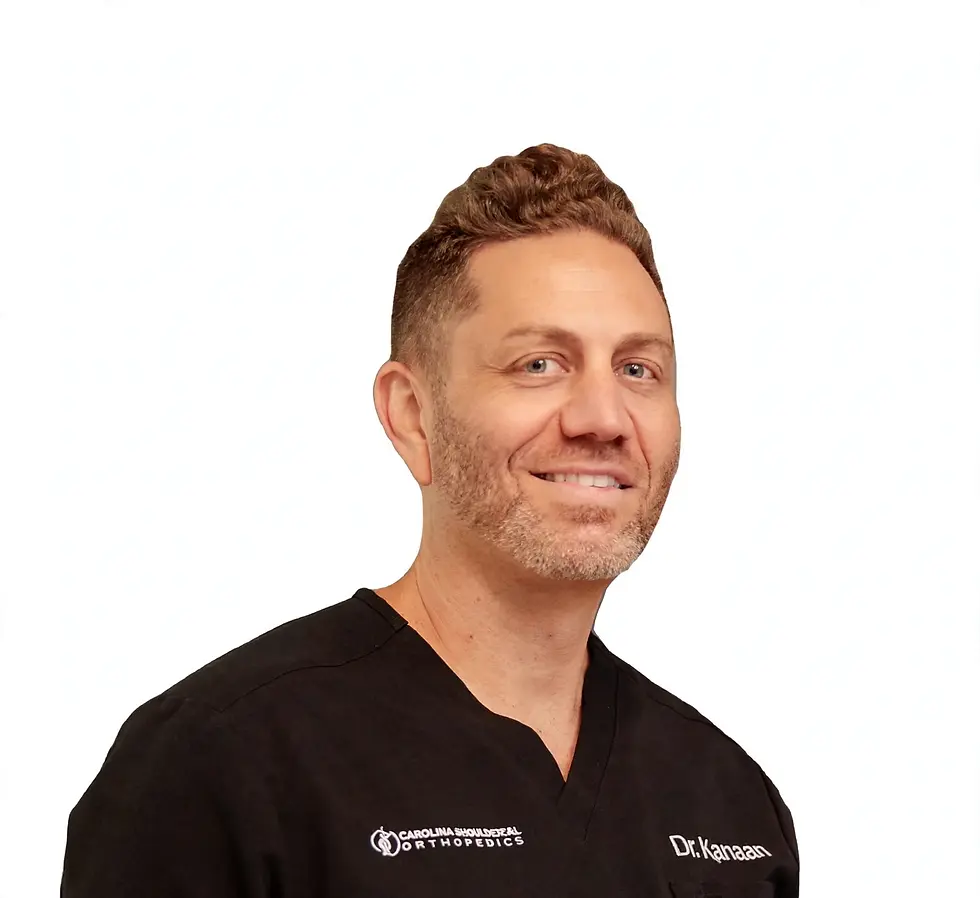
Dr. Matthew Kanaan
Nonsurgical Orthopedic Specialist
Founder of Carolina Nonsurgical Orthopedics. Fellowship trained in sports medicine at Duke; residency in family medicine at Duke, where he served as Chief Resident.
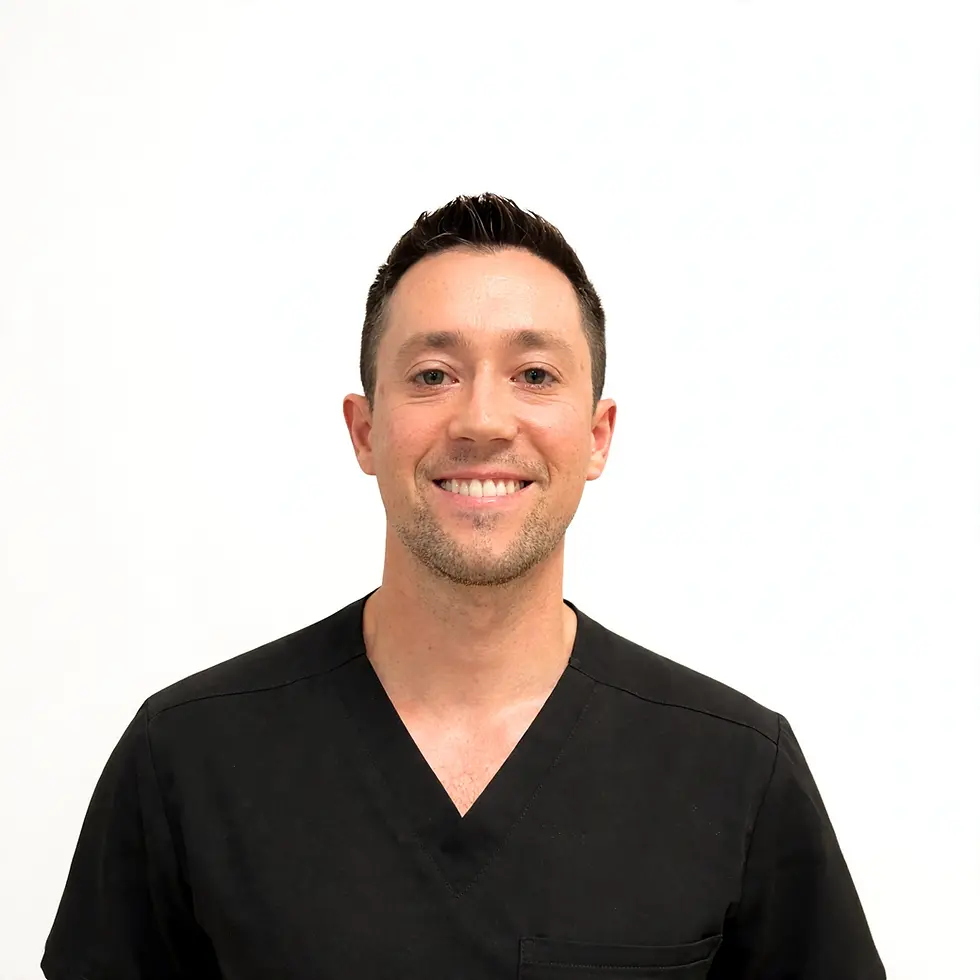
Dr. Pierce Knox
Nonsurgical Orthopedic Specialist
Fellowship trained in nonsurgical sports medicine at Penn Medicine; residency in primary care at Christiana Care.
