.png)
)_edited_pn.png)


PRP vs. Hyaluronic Acid for Knee Osteoarthritis Treatment
Updated: Oct 15
Quick answer: This post compares PRP and Hyaluronic Acid for Knee Osteoarthritis Treatment head-to-head — how each works, where the evidence is stronger, and how we choose for patients in Raleigh & Cary. At the 12-month mark, the patients who received PRP injections showed significantly better results than those who received HA.
Treatment Options for Knee Osteoarthritis

Many people suffer from knee osteoarthritis (KOA), which causes pain in the knee when the cartilage that acts as a cushion between the bones wears down over time. People with KOA are typically recommended Platelet-Rich Plasma Therapy (PRP) or hyaluronic acid (HA) injections for treatment. A recent study took a deep dive into which treatment works most effectively, and the results are shared below.
The Study

Researchers set out to compare two common treatments for knee osteoarthritis:
Platelet-Rich Plasma (PRP): A treatment that uses a patient’s own blood, processed to concentrate the platelets that help with healing.
Hyaluronic Acid (HA): A gel-like substance that acts as a lubricant in the joints, often referred to as a “joint lubricant.”
The study analyzed data from 15 high-quality clinical trials involving over 1,600 patients with mild to moderate knee osteoarthritis.
Research Findings
At the 12-month mark, the patients who received PRP injections showed significantly better results than those who received HA. Here’s a breakdown of what improved:
Pain reduction: PRP patients reported noticeably less pain.
Overall knee function: PRP led to better improvements in movement and comfort.
Daily activity levels: PRP helped patients get back to normal routines more effectively.
Measurement Tools
Researchers used well-known scoring tools like the WOMAC Index (which measures pain, stiffness, and physical function), the Visual Analog Scale (VAS) for pain, and the International Knee Documentation Committee (IKDC) score for knee health. Across each measurement tool, PRP was shown to be more effective, especially after one year.
What This Means for Patients

Since this study was a meta-analysis (looking at multiple high-quality studies combined), the evidence provided is strong. If you’re considering injection therapy for knee osteoarthritis, this study suggests PRP may offer better long-term relief than hyaluronic acid. PRP could help reduce pain and improve how your knee feels and functions over time.

SuperPRP + HA
There are many studies that support combining HA and PRP into one treatment protocol in order to optimize pain relief, which can be either staged or completed on the same day, depending on the patient's timeframe. Dr. Kanaan specializes in this unique and customized approach, which is ideal for arthritis of many joints (knee, hip, shoulder, etc.).
Dr. Matthew Kanaan of Carolina Nonsurgical Orthopedics is a Duke-trained orthopedic specialist who is an expert in PRP Therapy. His goal is to help patients receive long-lasting relief from joint pain using innovative, natural PRP Therapy to help their bodies heal. Dr. Kanaan has performed successful PRP treatments over the last 12 years and specializes in customized, high-dose PRP Therapy. Schedule your consultation today, and let Dr. Kanaan help you get back to doing the activities you enjoy, without the joint pain.
Reference: Study published in Arthroscopy: The Journal of Arthroscopic and Related Surgery, July 16, 2025. DOI: 10.1016/j.arthro.2025.06.033. © 2025 by the Arthroscopy Association of North America.
Orthopedic care in Cary, NC
For patients closer to Cary, see our Cary orthopedic office and our Cary knee pain guide for location-specific information and related treatment options.
PRP vs. Hyaluronic Acid: How the Options Differ
Platelet-rich plasma and hyaluronic acid are both nonsurgical injection options used for knee osteoarthritis, but they work in different ways. Hyaluronic acid is intended to supplement the joint environment and improve lubrication and shock absorption, while PRP is prepared from the patient’s own blood and contains concentrated platelets and plasma proteins. Neither treatment should be described as a guaranteed way to regrow a normal arthritic knee, and the best choice depends on the individual patient.
When comparing injections, it is useful to consider arthritis severity, age, activity goals, prior response to injections, other knee pathology, and how long the patient hopes to maintain an active lifestyle without surgery. Published studies and systematic reviews have increasingly compared PRP with hyaluronic acid for knee osteoarthritis. Many report meaningful improvement in pain and function with PRP, although protocols vary substantially among studies and individual outcomes are not guaranteed.
Some patients may also be candidates for a combined strategy using PRP and hyaluronic acid. The rationale is that the treatments have different characteristics rather than being interchangeable versions of the same injection. Whether combination treatment makes sense should be decided after evaluating the knee and discussing the evidence, cost, expected recovery, and alternatives.
At Carolina Nonsurgical Orthopedics in Raleigh and Cary, knee injections are performed with ultrasound guidance. The evaluation also considers meniscus pathology, patellofemoral disease, tendon problems, and other potential pain generators because an injection directed only at arthritis may not address every source of knee pain.
Had PRP somewhere else — and it didn't work?
A failed PRP injection doesn't always mean PRP can't help you. The two most common reasons we see when we review outside treatments are dose — many clinics deliver a fraction of the platelet dose used in the studies that showed benefit, and often never measured it — and placement, when the injection was done without ultrasound guidance and never reached the target it was meant for. If your first treatment was underdosed or unguided, having it done properly is a different procedure, not a repeat of the same one. At an evaluation with us, we'll review what was actually done and tell you honestly whether redoing it right makes sense — or whether something else would serve you better.
About Your Physicians
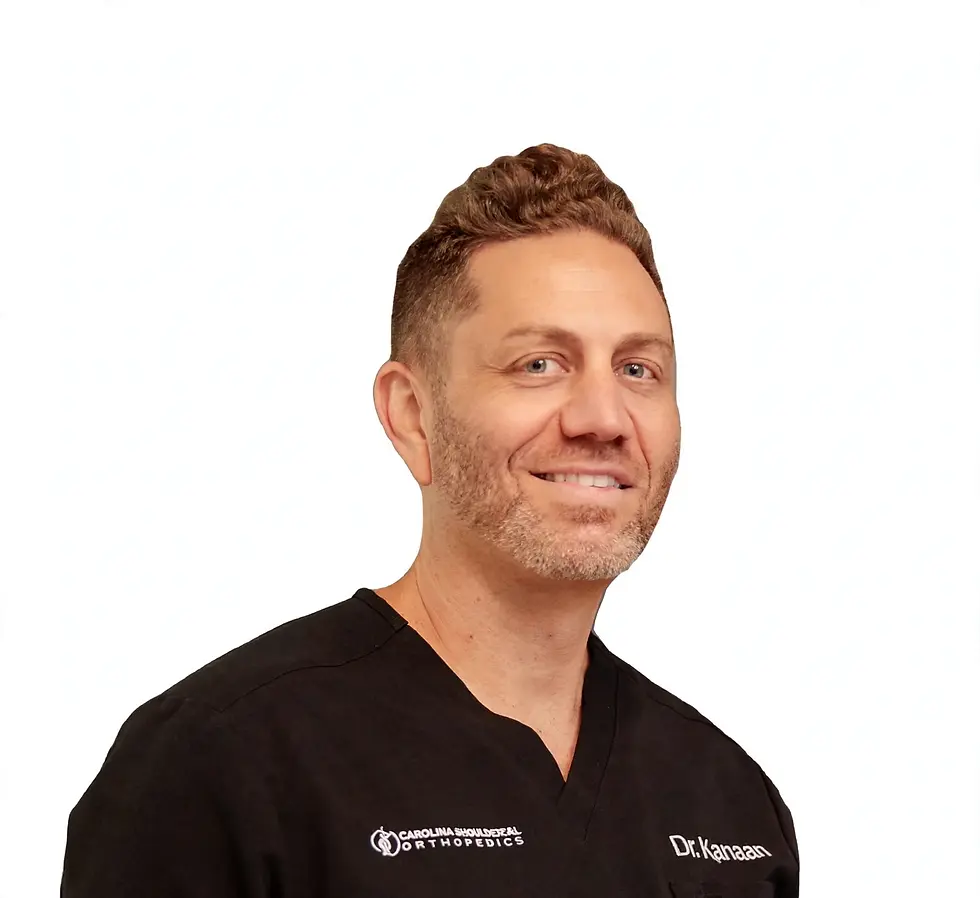
Dr. Matthew Kanaan
Nonsurgical Orthopedic Specialist
Founder of Carolina Nonsurgical Orthopedics. Fellowship trained in sports medicine at Duke; residency in family medicine at Duke, where he served as Chief Resident.
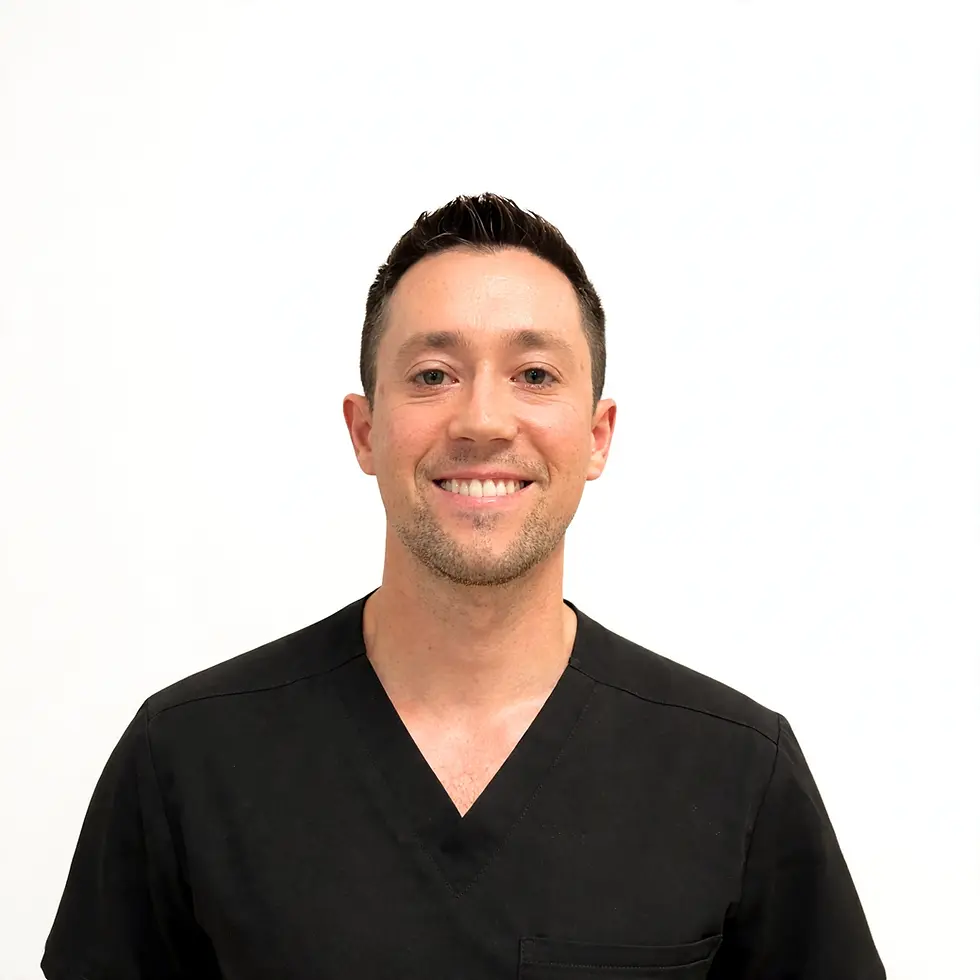
Dr. Pierce Knox
Nonsurgical Orthopedic Specialist
Fellowship trained in nonsurgical sports medicine at Penn Medicine; residency in primary care at Christiana Care.


