.png)
)_edited_pn.png)


SuperPRP: Enhancing PRP Injections with Plasma Proteins and Hyaluronic Acid
Updated: Oct 15
Quick answer: PRP (platelet-rich plasma) is a concentrated injection of platelets from your own blood, placed under ultrasound guidance. At our Raleigh & Cary offices it is a cash-pay, nonsurgical treatment, and candidacy and exact pricing are reviewed at the evaluation, before you commit.

Platelet-Rich Plasma (PRP) Therapy has become a cornerstone in regenerative medicine, celebrated for its ability to stimulate healing and reduce inflammation. As clinical experience evolves, researchers and clinicians are finding ways to amplify PRP's therapeutic potential, to patients benefit. Most recently, SuperPRP has been created by incorporating plasma proteins, autologous fibrin, and hyaluronic acid to boost its efficacy.
How It Works
PRP is rich in growth factors released by platelets, but its efficacy depends on the surrounding environment. Plasma proteins like fibrinogen, fibronectin, and vitronectin naturally support tissue repair and serve as scaffolding for cell migration. When these proteins are concentrated and combined with PRP, they enhance the biological signaling that directs tissue regeneration. Autologous fibrin, derived from a patient's own blood, acts as a three-dimensional matrix that holds platelets and growth factors at the injury site longer. This controlled release sustains the regenerative effect over time, rather than the brief boost often seen with standard PRP injections. The result is improved cellular recruitment, angiogenesis, and collagen formation, which are crucial in healing ligaments, tendons, and soft tissues.
This combination is sometimes referred to as "PRP plus fibrin matrix" or "plasma gel PRP", and is gaining popularity in orthopedics, sports medicine, and aesthetic medicine for its enhanced regenerative outcomes.

We can also boost PRP effectiveness by mixing in hyaluronic acid, a well studied joint lubricant. With very little side effects, hyaluronic acid adds a mechanical advantage to the injection by lubricating the joint and providing an added cushion. Studies have shown this practice to be very safe, and it's been shown to work better than solely hyaluronic acid or solely PRP for the treatment of joint arthritis (for example, in knees, hips, and shoulders).
What SuperPRP Means for Patients
By leveraging the body's own healing elements in a more structured and sustained delivery system, clinicians can significantly improve patient results. As research continues, integrating plasma proteins and fibrin with PRP may become the new gold standard in biologic therapies.
Orthopedic care in Cary, NC
For patients closer to Cary, see our Cary orthopedic office and our Cary PRP guide for location-specific information and related treatment options.
What Makes SuperPRP Different from a Standard PRP Injection?
PRP is not a single standardized product. The amount of blood collected, centrifugation method, platelet concentration, plasma composition, leukocyte content, and final injection volume can vary between practices and preparation systems. These differences are important when patients compare regenerative medicine treatments based only on the label “PRP.”
Our SuperPRP approach combines a concentrated PRP preparation with additional plasma components and hyaluronic acid when clinically appropriate. Hyaluronic acid has a different role from PRP and has been used independently for osteoarthritis for many years. Combining approaches is intended to provide a broader nonsurgical strategy for selected arthritic joints, although no injection can guarantee cartilage regeneration or eliminate the possibility that a patient may ultimately need surgery.
The target of the injection matters as much as the product. Knee, shoulder, hip, ankle, and other joint complaints can involve several structures simultaneously. Ultrasound guidance allows the treating physician to visualize many of the relevant structures and accurately place an injection rather than relying solely on surface landmarks.
Patients considering SuperPRP in Raleigh or Cary should first have the diagnosis and severity of the problem established. Standard PRP, PRP with hyaluronic acid, shockwave therapy, rehabilitation, or other nonsurgical approaches may be more appropriate depending on the condition. Treatment should be individualized rather than assuming the most intensive option is automatically the best one.
Had PRP somewhere else — and it didn't work?
A failed PRP injection doesn't always mean PRP can't help you. The two most common reasons we see when we review outside treatments are dose — many clinics deliver a fraction of the platelet dose used in the studies that showed benefit, and often never measured it — and placement, when the injection was done without ultrasound guidance and never reached the target it was meant for. If your first treatment was underdosed or unguided, having it done properly is a different procedure, not a repeat of the same one. At an evaluation with us, we'll review what was actually done and tell you honestly whether redoing it right makes sense — or whether something else would serve you better.
About Your Physicians
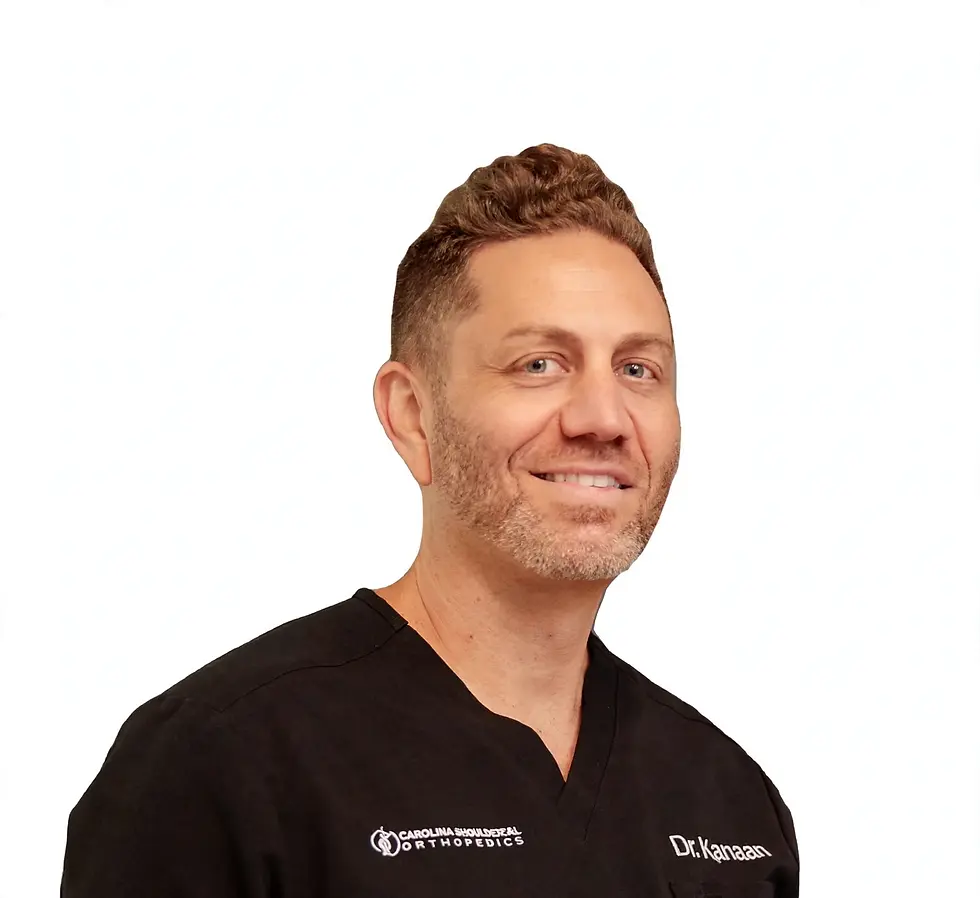
Dr. Matthew Kanaan
Nonsurgical Orthopedic Specialist
Founder of Carolina Nonsurgical Orthopedics. Fellowship trained in sports medicine at Duke; residency in family medicine at Duke, where he served as Chief Resident.
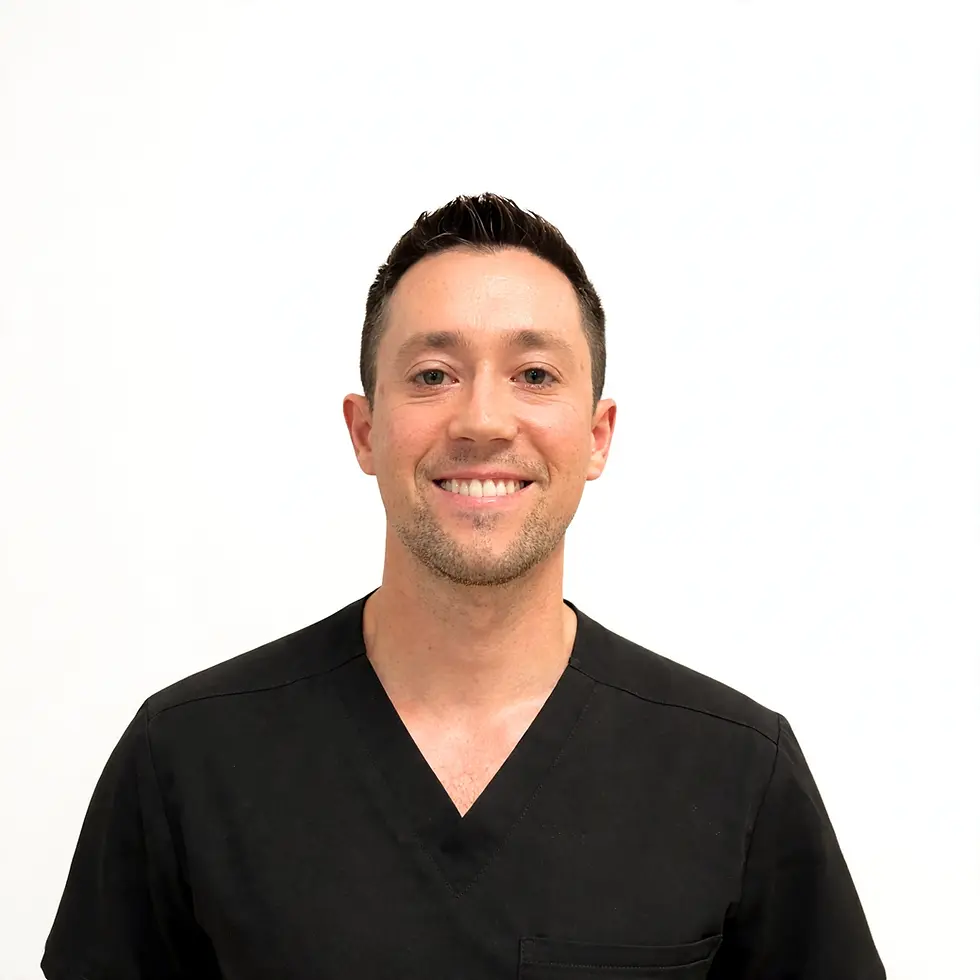
Dr. Pierce Knox
Nonsurgical Orthopedic Specialist
Fellowship trained in nonsurgical sports medicine at Penn Medicine; residency in primary care at Christiana Care.


