.png)
)_edited_pn.png)


Symptoms of a Loose Knee Replacement: How to Tell If Your Implant Is Failing
When the New Knee Starts Feeling Like the Old One
Knee replacements are among the most successful operations in medicine — most last 15–20+ years. But implants can loosen from the bone over time, and when they do, the symptoms are distinctive enough that patients usually know something is wrong before anyone tells them.
The Classic Pattern
Start-up pain is the hallmark: the knee aches when you first stand and take those initial steps, then eases as you get moving — only to ache again after prolonged activity. It's the same pattern as the arthritis the replacement was supposed to fix, which is exactly why patients notice it.
Other warning signs:
A sense of instability or shifting — the knee feels like it might give way, or you feel a clunk with certain movements
Recurrent swelling — effusion that keeps coming back without a clear trigger
Pain that had resolved and returned — a knee that was good for years and is now deteriorating deserves a workup, not reassurance
Diminishing range of motion or new stiffness
What Causes Loosening
Aseptic loosening — the most common: the bond between implant and bone gradually fails, often with microscopic wear debris driving bone loss (osteolysis) around the implant
Infection — less common but critical to rule out; a loose-feeling, painful, swollen knee replacement with fever or elevated inflammatory markers is urgent
Wear and instability — polyethylene wear, ligament imbalance, or malalignment accelerating the process
How It's Diagnosed
Standing X-rays comparing to prior films (looking for radiolucent lines or implant migration), labs to rule out infection (ESR, CRP), and sometimes advanced imaging or aspiration of the joint. This workup belongs with your surgeon or a revision specialist — it's not a primary-care sports medicine diagnosis to make alone, and we'll tell you that.
Where We Fit In
Not every painful knee replacement is loose. Some have soft-tissue pain generators around a perfectly well-fixed implant — bursitis, tendinopathy, scar tissue, or referred pain — and those are squarely in our lane. Our role: ultrasound and X-ray evaluation to sort implant problems (which go back to the surgeon) from surrounding-tissue problems (which we treat). We've written more broadly about pain after knee replacement and our alternatives to joint replacement surgery.
The Bottom Line
A knee replacement that was good for years and is now failing the start-up pain test needs imaging and labs — promptly. If the implant is solid and the pain is coming from the tissues around it, that's a nonsurgical problem with nonsurgical solutions.
Call Carolina Nonsurgical Orthopedics at 919.719.2270 or schedule online. Offices in Raleigh and Cary, NC — we'll figure out whether it's the implant or everything around it.
About Your Physicians
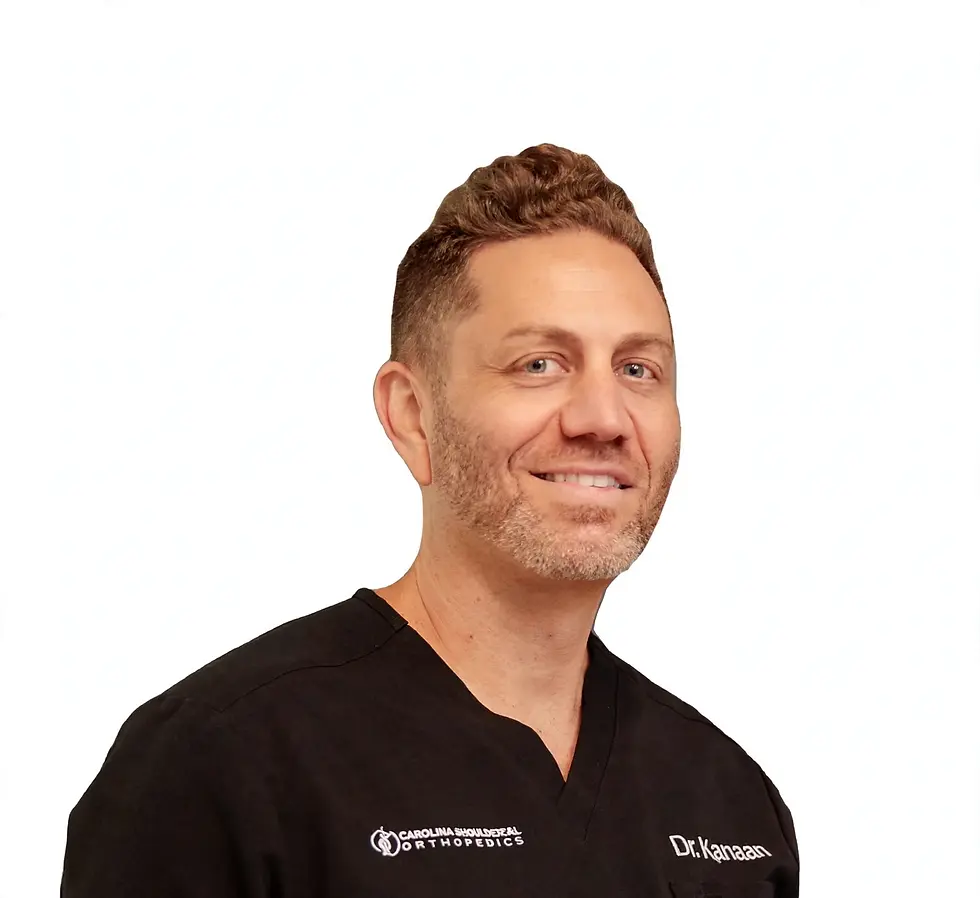
Dr. Matthew Kanaan
Nonsurgical Orthopedic Specialist
Founder of Carolina Nonsurgical Orthopedics. Fellowship trained in sports medicine at Duke; residency in family medicine at Duke, where he served as Chief Resident.
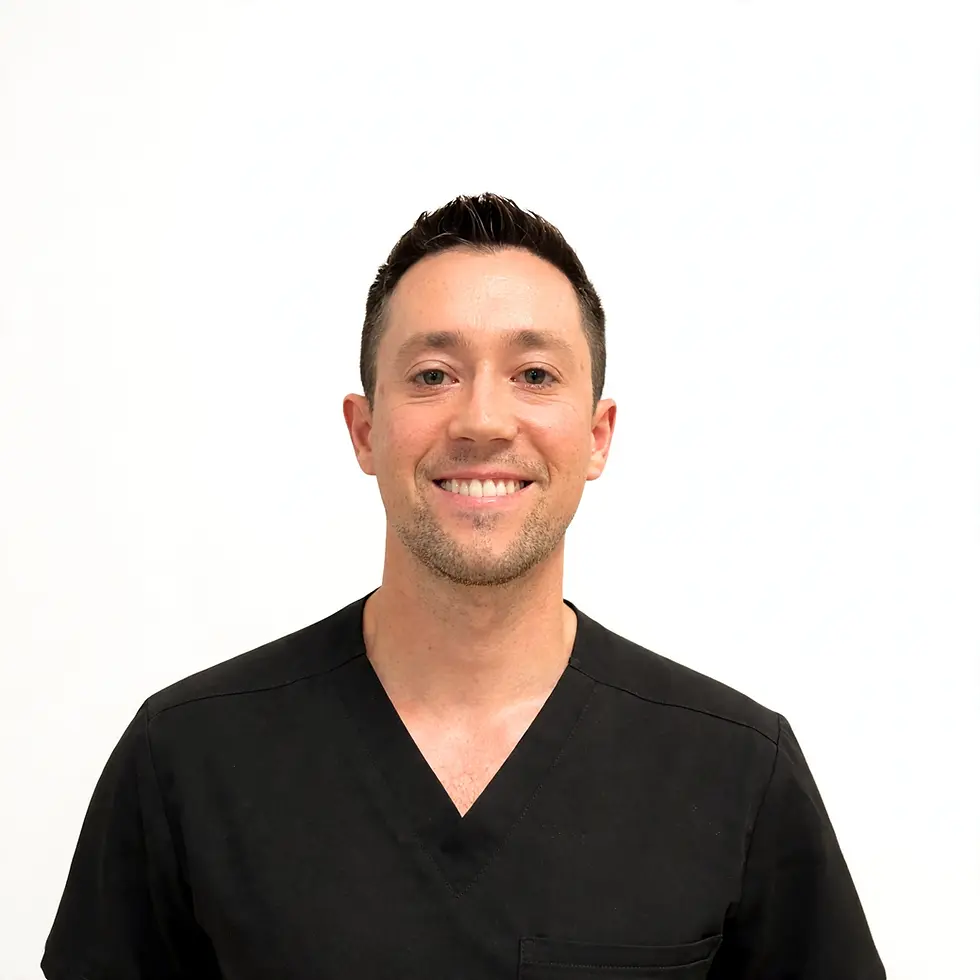
Dr. Pierce Knox
Nonsurgical Orthopedic Specialist
Fellowship trained in nonsurgical sports medicine at Penn Medicine; residency in primary care at Christiana Care.