


Bunions: When the Big Toe Starts Drifting (and What Actually Helps)
Updated: Oct 14
Quick answer: What nonsurgical care does very well is reduce pain, slow progression, and keep mild-to-moderate bunions functional — which is all many patients need.
The Bump That Keeps Growing
It usually starts subtly — the big toe angles a little toward the second toe, a bump forms at the base, and certain shoes start to hurt. Over years, the angle worsens, the bump gets bigger, and eventually even wide shoes ache by the end of the day.
That's a bunion (hallux valgus): a progressive deformity where the first metatarsal drifts inward and the big toe drifts outward, creating the characteristic bony prominence on the inner foot. It's one of the most common foot problems we see — and one of the most misunderstood.
What Causes Bunions?
The primary driver is foot mechanics and genetics, not footwear alone — though shoes absolutely make them worse:
Inherited foot structure — flat feet and hypermobile first rays run in families; if your mother has bunions, your odds are higher
Tight, narrow, or high-heeled shoes — they don't create the deformity from nothing, but they accelerate it and create most of the pain
Arthritis — inflammatory arthritis can deform the joint; osteoarthritis develops in the joint as the deformity progresses
Age — the angle typically worsens decade by decade without intervention
An honest point upfront: no nonsurgical treatment straightens a bunion. Once the bones have drifted, only surgery realigns them. What nonsurgical care does very well is reduce pain, slow progression, and keep mild-to-moderate bunions functional — which is all many patients need.
Symptoms
A visible bump on the inner forefoot at the base of the big toe
Pain with shoe pressure, especially narrow or dress shoes
Redness, swelling, or callus over the bump
The big toe overlapping or underlapping the second toe in advanced cases
Stiffness and aching in the big-toe joint itself (suggests developing arthritis in the joint)
Second-toe pain or hammertoe forming as the big toe crowds its neighbor
How We Diagnose It
History and exam — the deformity is visible; we assess the angle, joint flexibility (can the toe be straightened by hand?), associated calluses, and second-toe involvement
Weight-bearing X-ray — the critical test; measures the actual angles (hallux valgus angle, intermetatarsal angle) that determine severity and whether surgery would even be discussed; in-office, same visit
Gait assessment — flat feet and overpronation patterns that drive progression
Nonsurgical Treatment — What Actually Helps
1. Footwear changes. The single highest-impact intervention. Wide toe box, low heel, soft upper that doesn't press the bump. This alone resolves pain for many mild bunions.
2. Custom orthotics. For flat feet and overpronation, a custom orthotic that supports the arch and controls first-ray hypermobility slows the deformity's progression — the closest thing to addressing the cause without surgery.
3. Padding and spacers. Gel sleeves over the bump, toe spacers between the first and second toes — comfort measures that reduce friction and crowding. They manage symptoms; they don't correct angles.
4. Activity modification. Temporarily avoiding the specific shoes and activities that inflame the bursa over the bump (yes, there's often a bursitis on top of the bunion).
5. Anti-inflammatory measures. Ice and short-term NSAIDs for flares.
6. Injections. A corticosteroid injection around (never into) the arthritic big-toe joint can calm pain for months when arthritis has set in — useful for patients who aren't surgical candidates or want to delay surgery.
7. Night splints. Evidence is modest, but some patients get symptomatic relief; worth trying in flexible, mild deformities.
When Surgery Is the Honest Answer
Severe deformity (large angles on X-ray), a rigid joint that can't be straightened, constant pain despite proper footwear and orthotics, or the second toe deforming — these are surgical conversations, and we'll tell you so directly. There's no virtue in years of injections for a deformity that needs realignment. When that's the situation, we refer to a trusted foot and ankle surgeon rather than selling you another round of conservative care.
When to Get Evaluated
Bunion pain limiting your shoe choices or daily walking
Rapid worsening of the angle, or the second toe starting to deform
Numbness or burning over the bump (nerve irritation)
You want an honest assessment of where you fall on the treat-vs-refer spectrum
Schedule Your Evaluation
Call Carolina Nonsurgical Orthopedics at 919.719.2270 or schedule your visit online. With offices in Raleigh and Cary, NC — and in-office weight-bearing X-ray for same-day angle measurements — we'll tell you exactly how advanced your bunion is and whether nonsurgical care can keep you comfortable or surgery deserves the conversation.
About Your Physicians
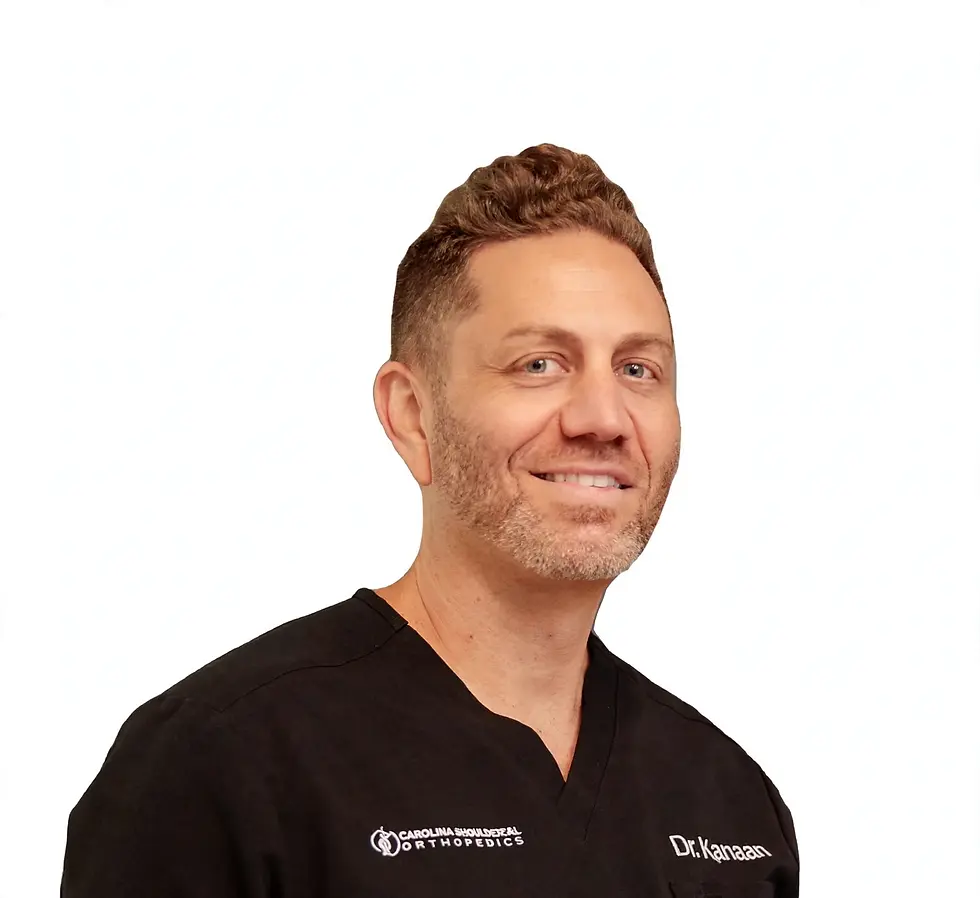
Dr. Matthew Kanaan
Nonsurgical Orthopedic Specialist
Founder of Carolina Nonsurgical Orthopedics. Fellowship trained in sports medicine at Duke; residency in family medicine at Duke, where he served as Chief Resident.
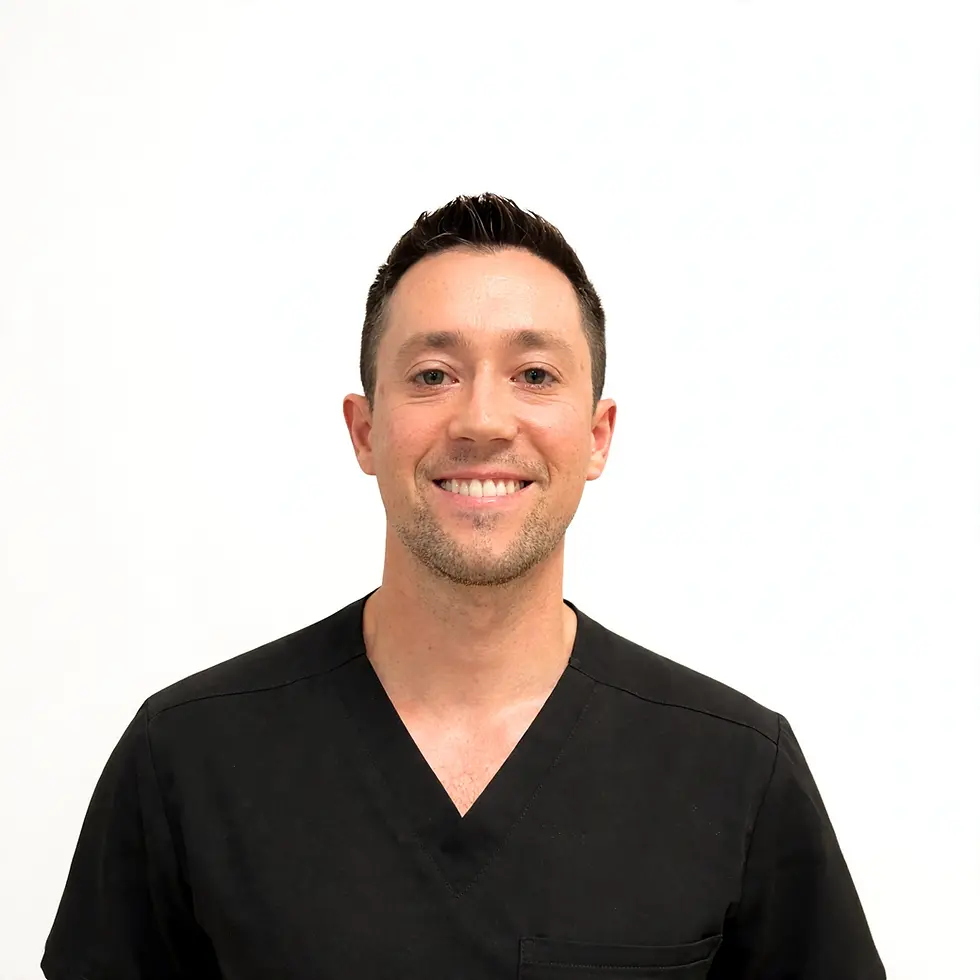
Dr. Pierce Knox
Nonsurgical Orthopedic Specialist
Fellowship trained in nonsurgical sports medicine at Penn Medicine; residency in primary care at Christiana Care.


