
)_edited_pn.png)


What 13 Years of PRP Injections Teach You: Experience, Dosing, and Why Technique Matters
⚡ Quick Answer: Dr. Matthew Kanaan has performed PRP injections since 2012 — more than 50,000 ultrasound-guided injections at Carolina Nonsurgical Orthopedics in Raleigh and Cary. That experience shows up in three places patients can verify: the dose (larger blood draws, platelet counts guided by published research), the guidance (every injection placed under ultrasound), and the plan around the injection (often paired with shockwave or MLS laser therapy). PRP is not one standardized treatment, and who performs it — and how — changes what you actually receive.
Most patients researching PRP compare prices. Almost nobody asks the questions that actually determine what ends up in the syringe — and whether it reaches the right structure. Those questions are about the physician: how long they have been doing this, how many injections they have performed, how they set the dose, and whether the needle is guided.
Dr. Matthew Kanaan has been performing PRP injections since 2012. Between then and today, he has performed more than 50,000 guided injections at Carolina Nonsurgical Orthopedics in Raleigh and Cary. Very few physicians anywhere have more hands-on PRP experience — not because the treatment is new to everyone else, but because starting in 2012 and maintaining that volume for thirteen years is a rare combination. Here is what that experience actually changes in practice.
Starting in 2012 means learning on the evidence as it developed
In 2012, PRP was promising but unsettled. Preparation systems varied widely, dosing research barely existed, and many injections were placed by feel. Dr. Kanaan began performing PRP during his nonsurgical sports medicine fellowship at Duke — where he also served as an assistant team physician for Duke football, basketball, and lacrosse — and has performed it continuously since, through every revision of the evidence.
That timeline matters for a practical reason: a physician who has followed the dosing literature for thirteen years treats PRP differently from one who adopted it recently. The protocol at this practice has been revised as the research has come in, not frozen at whatever was standard the year the equipment was purchased.
Dose is a prescription, not a default
The most replicated finding in modern PRP research is that dose matters. In the studies, preparations delivering higher platelet counts — on the order of 5 billion platelets or more — have outperformed low-dose preparations, some of which performed no better than placebo. A widely discussed negative trial used roughly 1.6 billion platelets; the dose is the most plausible explanation for why it failed. (We wrote about this research in detail in our post on why PRP dose matters.)
Dose starts with the blood draw. A small draw cannot yield a high-dose preparation — the platelets have to come from somewhere. This practice uses larger blood draws than the minimal-volume protocols common elsewhere, because the target platelet dose is set from the published studies first, and the draw is sized to reach it. When a patient tells us a previous PRP injection "didn't work," one of the first things we review is what dose they actually received — if it was recorded at all. Our post on why a first PRP injection may not have been a fair test walks through that records review.
Every injection is guided
Experience also settles the guidance question. After tens of thousands of injections, the honest conclusion is that landmark-guided ("blind") injection is not accurate enough for most joint and tendon targets — published accuracy studies agree. Every PRP injection at this practice is performed under ultrasound guidance, so the preparation is placed in the structure being treated — the tendon tear, the joint space, the injured ligament — and the placement can be documented. If the PRP is not in the target, the dose is irrelevant.
PRP is often paired with shockwave or laser — deliberately
The third thing experience changes is what happens around the injection. PRP addresses the target lesion; it does not, by itself, address the painful, overloaded tissue around it. For tendon problems especially, this practice frequently pairs PRP with shockwave therapy, which has its own evidence base for tendinopathy, or with MLS laser therapy for pain and inflammation in the surrounding tissue. The pairing is a clinical decision made per diagnosis — not a package — and the combination exists because thirteen years of follow-up visits teach you that the tendon and its neighborhood rarely heal on separate schedules.
What experience does not do
It does not make PRP work for everyone. Advanced bone-on-bone arthritis with deformity, complete tendon ruptures, and pain coming from a structure PRP cannot reach are cases where we recommend against it — including when that means recommending surgery or no procedure at all. A fair share of the value of 50,000 injections is pattern recognition: knowing which presentations respond, which do not, and saying so before a patient pays for a treatment unlikely to help them.
The questions to ask any PRP provider
If you are comparing practices, these five questions reveal more than price:
How long have you performed PRP, and roughly how many injections?
What platelet dose do you target, and what does the research say about it?
How large is the blood draw?
Is every injection ultrasound-guided?
What do you pair it with — and when do you advise against PRP altogether?
Dr. Kanaan's answers are on this page. We are glad to give them in person: call 919-719-2270 to schedule an evaluation in Raleigh or Cary.
About Your Physicians
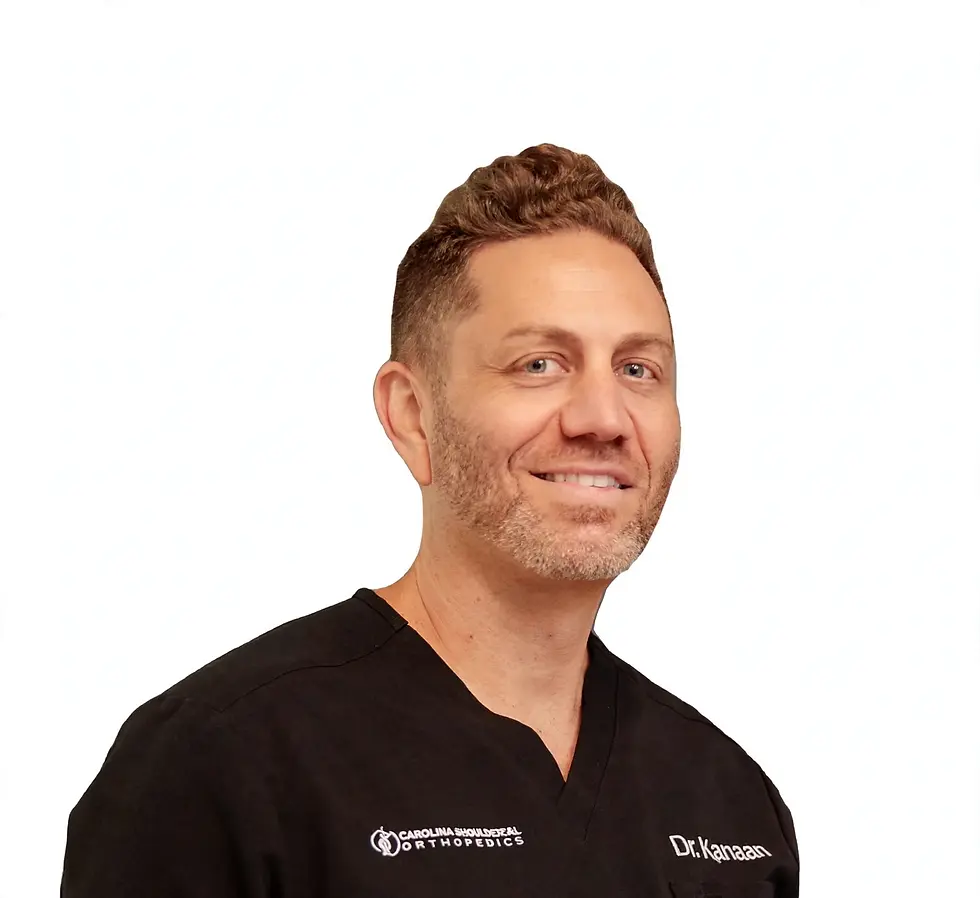
Dr. Matthew Kanaan
Nonsurgical Orthopedic Specialist
Founder of Carolina Nonsurgical Orthopedics. Fellowship trained in sports medicine at Duke; residency in family medicine at Duke, where he served as Chief Resident.
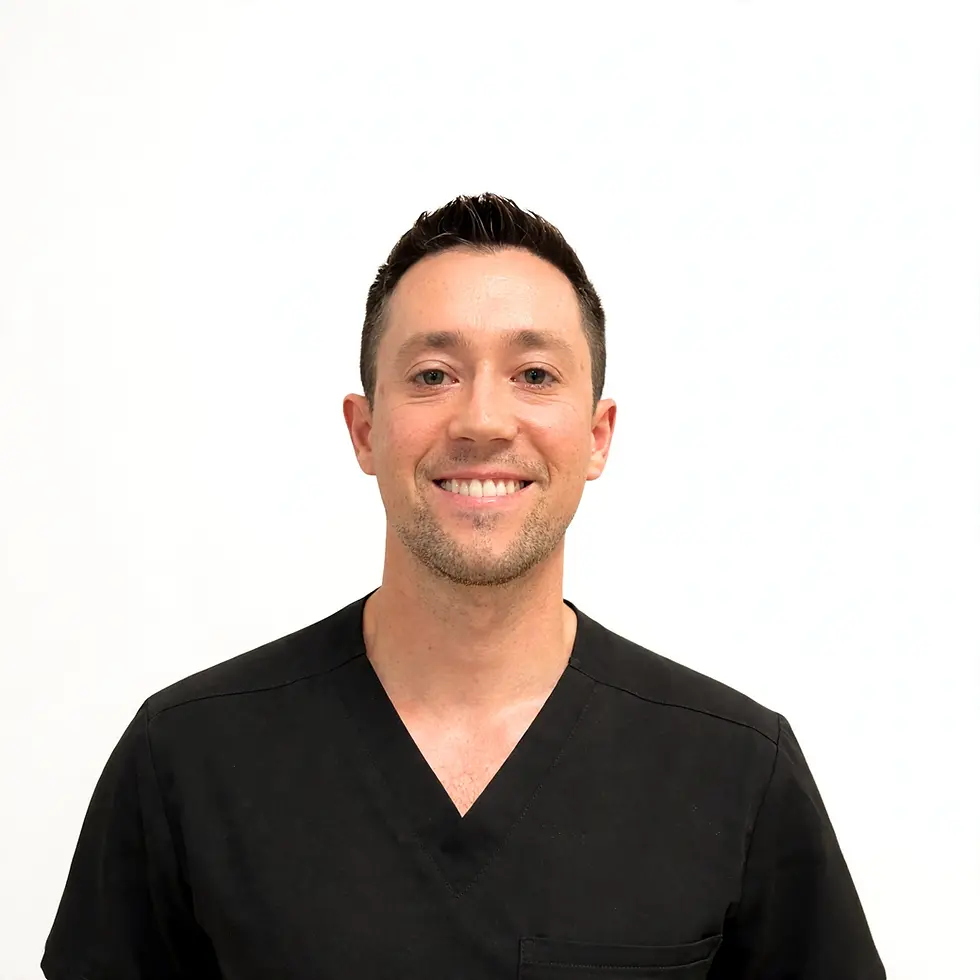
Dr. Pierce Knox
Nonsurgical Orthopedic Specialist
Fellowship trained in nonsurgical sports medicine at Penn Medicine; residency in primary care at Christiana Care.


