.png)
)_edited_pn.png)


Knee Surgery Alternatives: Nonsurgical Treatment Options Before Surgery
Updated: Oct 14
Quick answer: The nonsurgical path starts with an accurate diagnosis, then activity changes, therapy, and — when appropriate — image-guided treatment, with surgery considered only when conservative care isn't enough. That is the approach we take at Carolina Nonsurgical Orthopedics in Raleigh & Cary. Nonsurgical care can include rehabilitation, activity modification, bracing, image-guided injections, hyaluronic acid, shockwave therapy, and orthobiologic treatments such as PRP for appropriately selected patients.
Knee pain can interfere with walking, exercise, work, sleep, and independence. When imaging shows arthritis, a meniscus tear, cartilage loss, or another structural problem, many patients assume surgery is inevitable. It is not always. The right treatment depends on the diagnosis, severity, symptoms, function, goals, and treatments already tried.
At Carolina Nonsurgical Orthopedics, we focus on determining whether a patient has reasonable alternatives to knee surgery before an operation. Nonsurgical care can include rehabilitation, activity modification, bracing, image-guided injections, hyaluronic acid, shockwave therapy, and orthobiologic treatments such as PRP for appropriately selected patients. Surgery remains important when clearly indicated, but many knee problems can first be approached without an operation.
Why Do Patients Look for Knee Surgery Alternatives?
People consider knee surgery for many reasons. Some have progressive osteoarthritis and have been told they may eventually need a knee replacement. Others have a meniscus tear on MRI, recurrent swelling, a sports injury, or persistent pain that has not responded to basic treatment. A recommendation for surgery also raises practical questions about time away from work, postoperative rehabilitation, travel, caregiving, athletic goals, and surgical risks.
An MRI finding by itself does not always determine whether surgery is necessary. Structural abnormalities become more common with age. The more important questions are whether the imaging finding explains the symptoms and whether a reasonable nonsurgical path exists.
Knee Arthritis: What Can Be Tried Before Knee Replacement?
For osteoarthritis, treatment often begins with strengthening, weight management when appropriate, modification of aggravating activities, and medications when medically appropriate. Additional options include braces and image-guided injections. Our knee arthritis treatment page reviews the nonsurgical options we consider in Raleigh and Cary.
Hyaluronic acid injections may be used to improve symptoms in selected patients. These injections are sometimes called gel injections or viscosupplementation. They do not reverse advanced arthritis, but some patients experience meaningful symptom improvement.
Platelet-rich plasma, or PRP, is another option for selected patients with knee osteoarthritis. PRP is prepared from the patient’s own blood and contains concentrated platelets and signaling proteins. Evidence for PRP in knee osteoarthritis has grown, but outcomes vary and PRP should not be presented as a way to regrow a normal joint or guarantee avoidance of knee replacement.
Meniscus Tear: Does Every Tear Need Surgery?
No. Meniscus tears vary considerably. A traumatic tear in a younger athlete differs from a degenerative tear in an arthritic knee. True mechanical locking, instability, tear pattern, associated ligament injury, and the degree of arthritis all affect treatment decisions.
Many degenerative meniscus tears can initially be treated without surgery. Rehabilitation can improve strength and mechanics, while treatment of coexisting arthritis may reduce pain initially attributed entirely to the meniscus. In selected cases, PRP may be considered when the clinical picture suggests a potentially treatable meniscal or adjacent tissue problem, although PRP is not a substitute for surgical repair when repair is clearly indicated.
What Is the Downtime With Nonsurgical Knee Treatment?
One reason patients investigate alternatives to surgery is recovery time. Nonsurgical does not mean zero recovery. A painful knee may still require temporary activity modification, progressive rehabilitation, and patience while symptoms improve.
After many image-guided injections, walking and light daily activity are possible relatively quickly, although restrictions depend on the procedure. After PRP, patients are commonly asked to reduce strenuous loading for a period and then progressively return to exercise. Improvement generally develops over weeks rather than immediately.
The correct comparison is not simply which option has less downtime. It is whether the less invasive treatment has a reasonable chance of addressing the patient’s actual problem.
PRP as a Knee Surgery Alternative
PRP is one of the treatments commonly associated with nonsurgical orthopedics. At Carolina Nonsurgical Orthopedics, PRP injections are physician-performed and generally ultrasound-guided when appropriate, with the goal of accurate placement into the intended joint or soft-tissue target.
PRP may be considered for knee osteoarthritis and selected tendon, ligament, or meniscal problems. It is not appropriate for every knee condition. Advanced joint destruction, major instability, displaced tears, fractures, infection, and other conditions may require a surgical opinion.
Other Nonsurgical Knee Treatment Options
Depending on the diagnosis, options may include physical therapy or a structured home program, bracing, viscosupplementation, targeted image-guided procedures, and shockwave therapy for certain chronic tendon problems. Treatment is individualized rather than using the same injection for every patient.
A patient with knee arthritis and a degenerative meniscus tear may need a very different plan from an athlete with an acute meniscal injury or a patient with patellar tendinopathy.
When Is Knee Surgery Still the Right Choice?
Nonsurgical care should not delay an operation that is clearly necessary. Significant mechanical locking, certain repairable traumatic tears, major ligament instability, fractures, severe deformity, infection, or end-stage arthritis with major functional limitation may warrant surgical consultation.
The goal is not to tell every patient to avoid surgery. It is to help patients understand whether a reasonable nonsurgical option exists before making that decision.
Knee Surgery Alternatives in Raleigh & Cary, NC
If you have been told you may need knee surgery or knee replacement, start with our nonsurgical knee pain treatment guide. Carolina Nonsurgical Orthopedics evaluates knee arthritis, meniscus problems, sports injuries, tendon disorders, and other causes of knee pain in Raleigh and Cary, North Carolina.
A physician evaluation can help determine whether conservative care, an image-guided procedure, PRP, or another nonsurgical treatment is reasonable—or whether surgery is likely the better option. Contact our office to schedule an evaluation.
When Can Knee Surgery Potentially Be Delayed or Avoided?
Not every painful knee requires surgery. Osteoarthritis, degenerative meniscus changes, patellofemoral pain, tendinopathy, and some ligament injuries can often be managed initially with nonsurgical care. The appropriate plan depends on the diagnosis, mechanical symptoms, stability of the knee, severity of structural damage, activity goals, and response to previous treatment.
A comprehensive nonsurgical strategy can include progressive strengthening, weight management when appropriate, activity modification, bracing, medications, physical therapy, and image-guided injections. Injection options may include corticosteroid, hyaluronic acid, PRP, and selected orthobiologic procedures. These treatments have different indications and evidence, so the goal should not be to simply choose the newest injection but to match treatment to the problem.
PRP is commonly considered for symptomatic knee osteoarthritis and selected tendon or soft-tissue conditions. For arthritis, the realistic goal is improvement in pain and function and potentially delaying more invasive treatment—not promising that PRP will recreate a completely normal joint. Patients with advanced arthritis, major deformity, true mechanical locking, unstable injuries, or severe functional loss may still need an orthopedic surgical opinion.
Our Raleigh and Cary offices focus on nonsurgical orthopedics and use diagnostic imaging and ultrasound guidance when appropriate. Patients who are trying to avoid or postpone knee surgery can be evaluated for the full range of nonsurgical options rather than being limited to a single injection treatment.
About Your Physicians
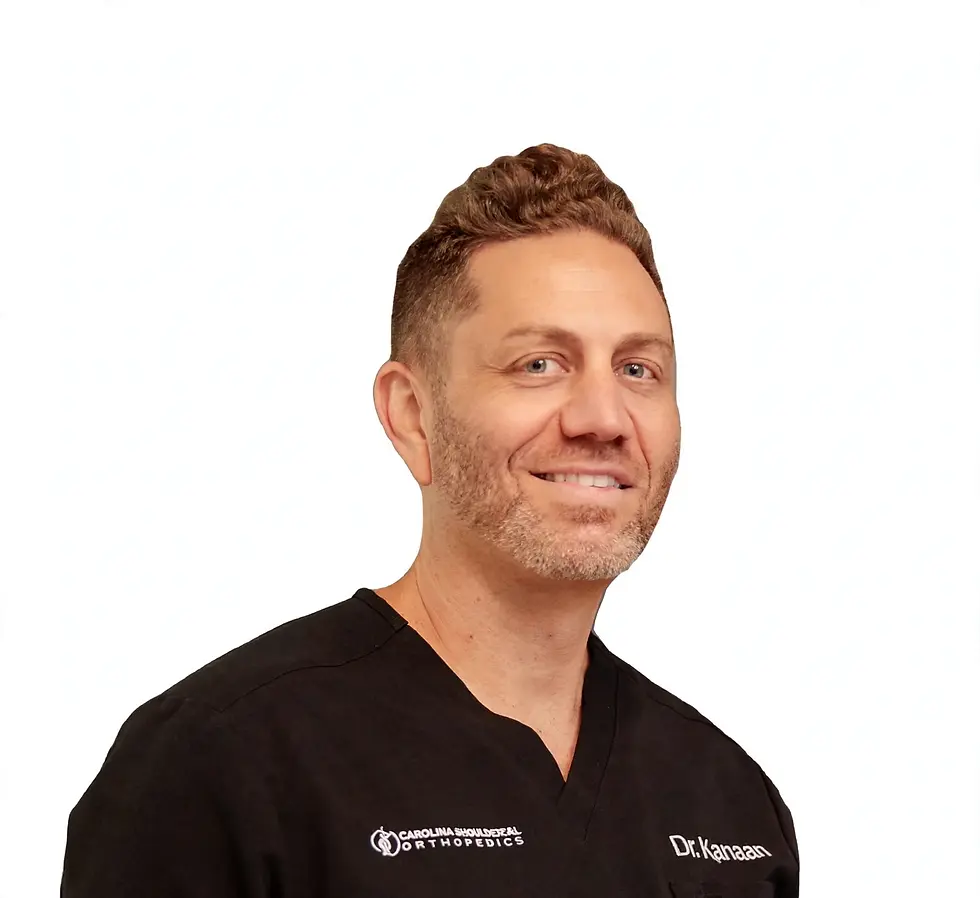
Dr. Matthew Kanaan
Nonsurgical Orthopedic Specialist
Founder of Carolina Nonsurgical Orthopedics. Fellowship trained in sports medicine at Duke; residency in family medicine at Duke, where he served as Chief Resident.
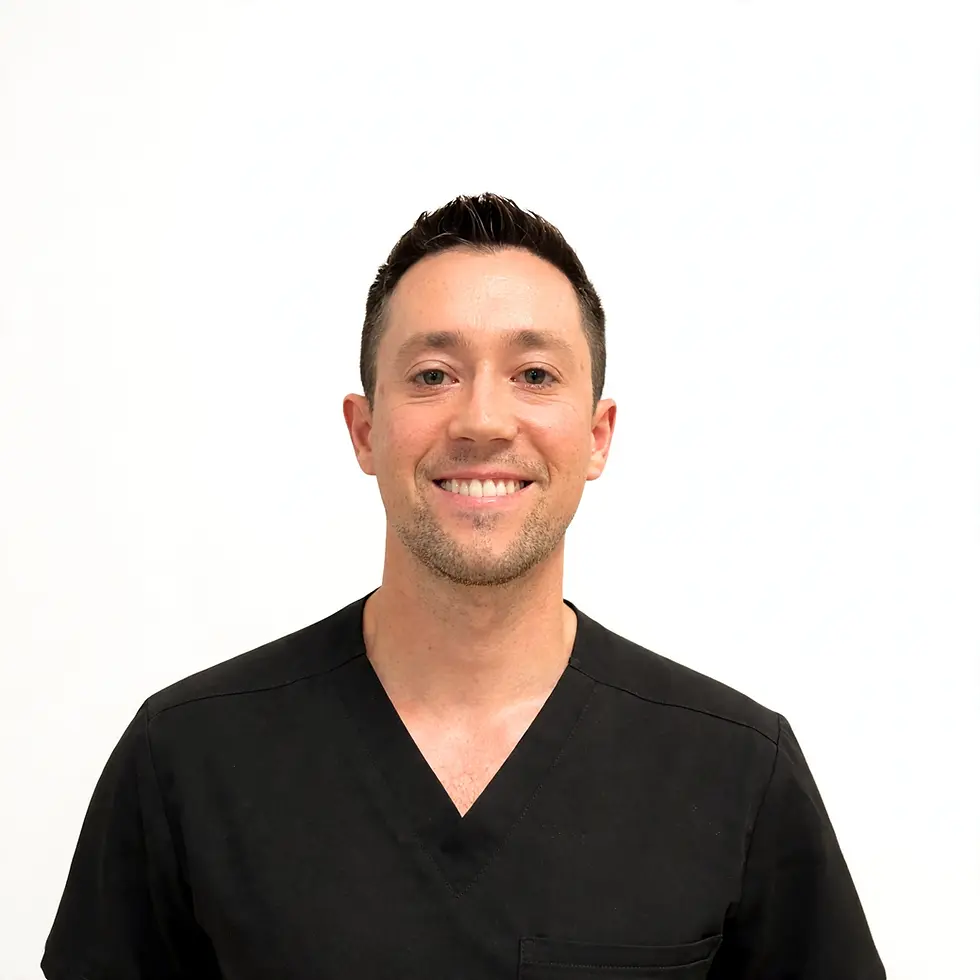
Dr. Pierce Knox
Nonsurgical Orthopedic Specialist
Fellowship trained in nonsurgical sports medicine at Penn Medicine; residency in primary care at Christiana Care.


