


Metatarsalgia: Ball-of-Foot Pain and the 'Walking on a Pebble' Feeling
Updated: Oct 14
Quick answer: It's one of the most common forefoot complaints we see, and one of the most casually misdiagnosed — because "ball of foot pain" has a half-dozen causes, and the treatment depends entirely on which one you have.
It Feels Like a Pebble in Your Shoe (But the Shoe Is Empty)
You keep stopping to shake out your shoe. There's nothing in it. But the ball of your foot burns or aches like you're stepping on something small and hard — worse barefoot, worse on hard floors, worse in heels or worn-out running shoes.
That's metatarsalgia: pain under the metatarsal heads, the knuckles of the forefoot. It's one of the most common forefoot complaints we see, and one of the most casually misdiagnosed — because "ball of foot pain" has a half-dozen causes, and the treatment depends entirely on which one you have.
What Causes It
Metatarsalgia isn't one disease; it's a symptom pattern with many drivers:
Mechanical overload: high-impact activity, a sudden mileage jump, or hard-surface training
Foot structure: a long second metatarsal ("Morton's toe"), high arches that concentrate load on the forefoot, hammertoes that shift pressure forward
Footwear: high heels (which dump body weight onto the forefoot), narrow toe boxes, worn-out cushioning
Tight calves / limited ankle motion: when the ankle can't bend enough, the forefoot takes the extra load with every step
Body weight: more load per step across the same metatarsal heads
Inflammatory conditions: rheumatoid arthritis frequently starts in the forefoot
Metatarsalgia vs. Morton's Neuroma — the Critical Distinction
These two get confused constantly, including by clinicians. (We have a dedicated post on Morton's neuroma — read that too if numbness is part of your picture.)
Metatarsalgia: diffuse ache or burning under the metatarsal heads. No numbness, no tingling. Worse with load, better with rest and cushioning.
Morton's neuroma: sharp, shooting, or electric pain between the toes (usually 3rd–4th), often with numbness or tingling radiating into the toes, sometimes a "click" (Mulder's sign) when the forefoot is squeezed. A thickened nerve, not an overloaded joint.
Same neighborhood, different structures, different treatments. An injection that helps a neuroma does nothing for overloaded metatarsal heads, and vice versa. This is why the exam — not the symptom alone — drives the plan.
Other look-alikes worth excluding: stress fractures (focal bony tenderness, swelling, pain that worsens daily), Freiberg's disease (second metatarsal head problem in adolescents), and intermetatarsal bursitis (which often coexists with metatarsalgia and does respond to targeted injection).
How We Diagnose It
Exam: palpation of each metatarsal head, checking toe alignment and deformity, calf flexibility testing, gait observation, squeezing the forefoot (a click suggests neuroma, not metatarsalgia)
Footwear review: bring the shoes you live in — wear patterns tell a story
X-ray (weight-bearing): metatarsal length patterns, alignment, stress fracture, arthritic changes
Diagnostic ultrasound (in-office): distinguishes bursitis and neuroma from pure mechanical metatarsalgia in real time, and guides any injection to the right structure
Treatment: Unload the Forefoot
Footwear and mechanics first — this fixes more cases than anything injected:
Wide toe box, stiff rocker sole: lets the foot roll through instead of bending hard at the metatarsal heads
Metatarsal pads: placed just behind the painful heads (not under them — a common mistake), they spread load across the forefoot
Custom orthotics: redistribute pressure for structural drivers like a long second metatarsal or high arches
Calf stretching: tight calves are an underappreciated driver — a dedicated gastrocnemius/soleus program reduces forefoot load measurably
Activity and surface modification: back off the hard-surface mileage; keep fitness with low-impact options
Weight management: direct, sympathetic, and worth saying
When mechanical care isn't enough:
**PRP (platelet-rich plasma):** the evidence for PRP in pure mechanical metatarsalgia is limited — we're honest about that. It's more relevant when there's an associated soft-tissue component (bursitis, capsulitis) that hasn't responded to offloading.
Prolotherapy: considered selectively for chronic capsular/ligamentous contributors; thin direct evidence here.
Shockwave therapy: has reasonable published support for forefoot pain conditions and is a sensible noninvasive step for persistent cases.
Laser therapy (photobiomodulation): may reduce pain as an adjunct; modest evidence.
Corticosteroid injection: genuinely useful for intermetatarsal bursitis when that's the driver — but repeated steroids into the forefoot risk fat pad atrophy, which makes mechanical metatarsalgia worse. Used precisely, sparingly, and for the right indication.
When to Get Evaluated
Ball-of-foot pain lasting more than 2–3 weeks despite footwear changes and padding
Pain that's changing how you walk (limping shifts load and creates second problems)
Any numbness or tingling into the toes (possible neuroma — different workup)
You've been treated for "metatarsalgia" without improvement — the diagnosis may be wrong
Red Flags — Don't Wait on These
Focal bony tenderness with swelling after a training increase (possible metatarsal stress fracture — needs imaging and protected loading, not a pad)
A hot, red, swollen forefoot joint (infection or acute inflammatory arthritis)
Non-healing forefoot wounds or calluses, especially with diabetes (needs wound/vascular evaluation, not sports medicine)
Severe deformity with intractable pain unresponsive to conservative care (surgical opinion)
Find Out What's Actually Under the Pain
Call Carolina Nonsurgical Orthopedics at 919.719.2270 or schedule your visit online. With offices in Raleigh and Cary, NC — and in-office X-ray and ultrasound for same-day answers — we'll identify which structure is generating your forefoot pain and unload it properly, instead of guessing.
About Your Physicians
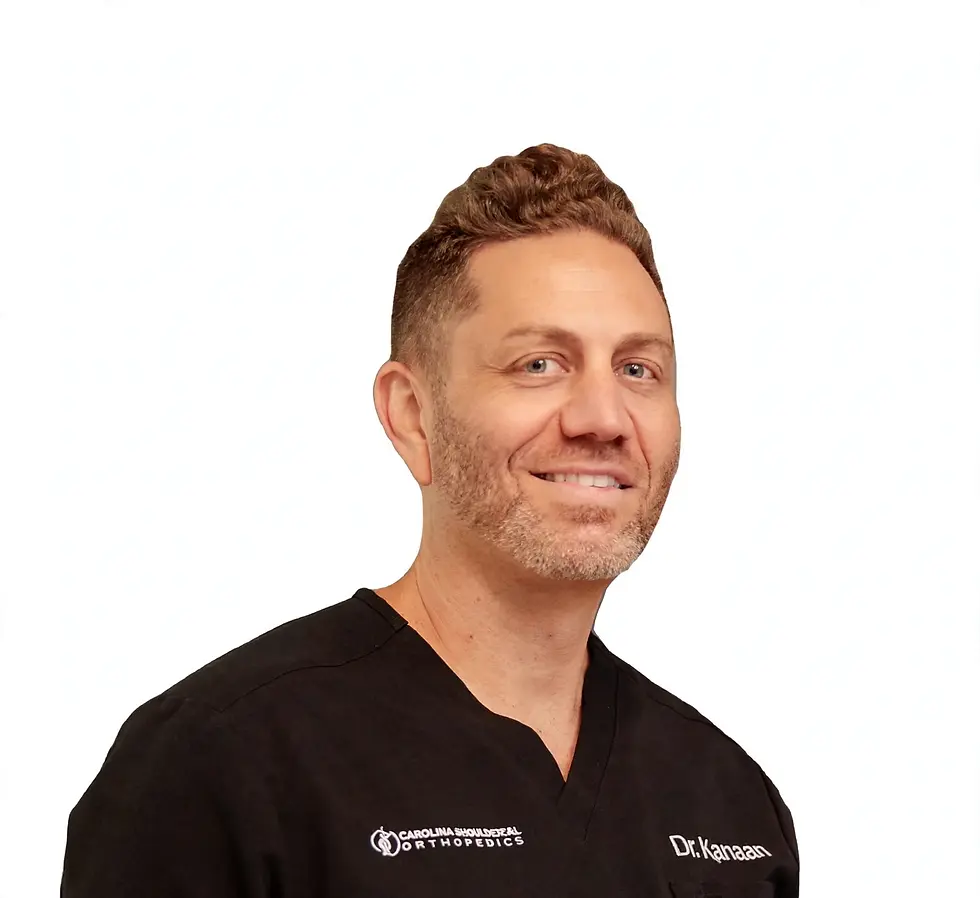
Dr. Matthew Kanaan
Nonsurgical Orthopedic Specialist
Founder of Carolina Nonsurgical Orthopedics. Fellowship trained in sports medicine at Duke; residency in family medicine at Duke, where he served as Chief Resident.
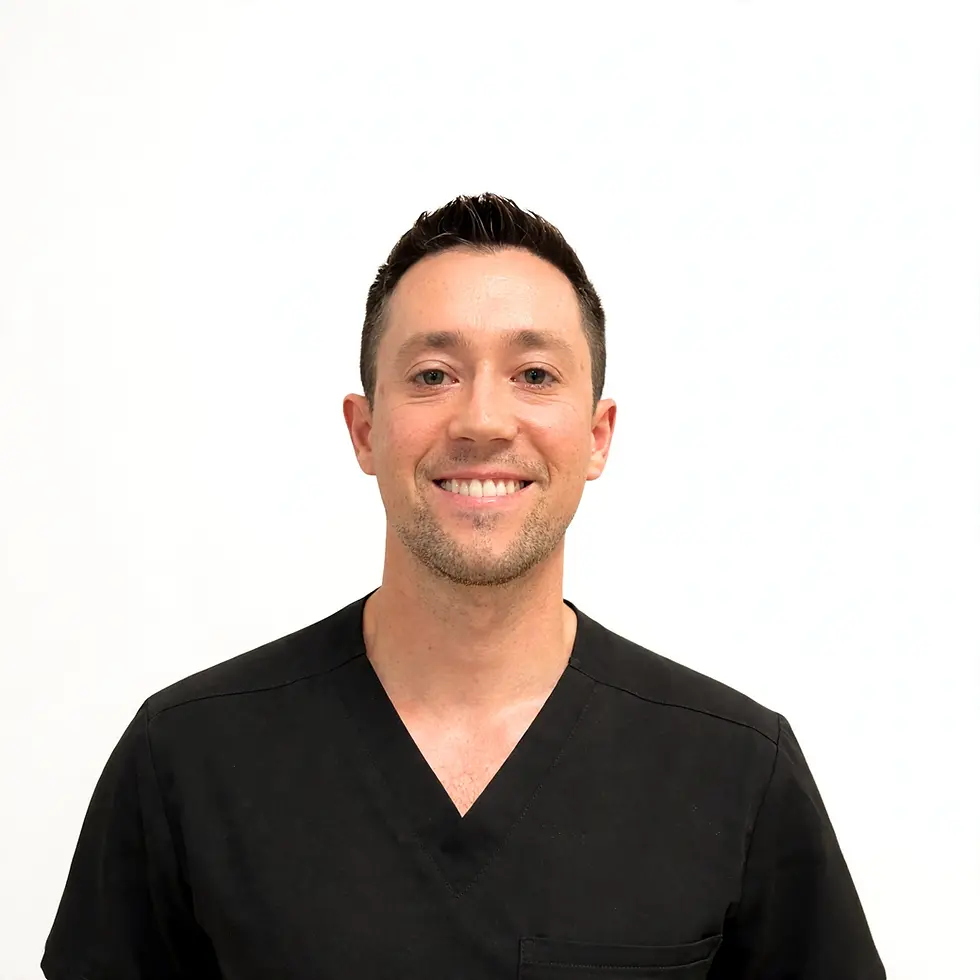
Dr. Pierce Knox
Nonsurgical Orthopedic Specialist
Fellowship trained in nonsurgical sports medicine at Penn Medicine; residency in primary care at Christiana Care.


