


Amniotic, Umbilical Cord, and Exosome "Stem Cell" Injections: What's Actually in the Syringe?
Quick answer: No amniotic, umbilical cord, Wharton's jelly, or exosome product is FDA-approved for any orthopedic condition, and independent lab testing has found no viable stem cells in leading commercial birth-tissue products. The cell treatments we offer use your own tissue (MFAT). If a clinic quotes you a price for an off-the-shelf "stem cell" vial, this post explains what is actually in the syringe.
The pitch is attractive: stem cells from donated birth tissue, no blood draw, no fat harvest, no procedure on you at all — just an injection of young, powerful cells from a vial. Clinics and medspas across the country sell these products for knee arthritis, hip and shoulder pain, tendon injuries, and plenty else, often for several thousand dollars per injection.
Before you consider paying for one, there are three questions worth asking: Are there actually living stem cells in the product? What has the FDA said about it? And what does the evidence show? The answers are more consistent — and less flattering — than the marketing.
The products, briefly
Amniotic products are made from donated placenta, amniotic membrane, or amniotic fluid collected at birth.
Umbilical cord products come from donated cord blood or cord tissue, including the gelatinous tissue called Wharton's jelly.
Exosome products don't even claim to contain cells. Exosomes are tiny particles cells use to signal each other. These products contain the particles (in theory), not living cells.
All three are allogeneic — from a donor, not from you. That's the selling point and, it turns out, most of the problem.
Problem 1: the living cells mostly don't survive the product
A stem cell product only makes sense if living, functional cells reach your joint. Donor tissue products are collected, processed, sterilized, preserved, frozen, shipped, and stored — and each step is hard on living cells. Independent laboratory analyses of leading commercial amniotic products have found no viable stem cells in the finished product that reaches the syringe. What may remain are proteins and growth-factor fragments in small, variable amounts — not the millions of living stem cells in the brochure.
Exosome products have a related issue: with no standardized manufacturing or potency testing required, what's in one vial can differ substantially from the next, and there is no approved test confirming a given product contains what its label claims.
Problem 2: the FDA has been unusually blunt
This isn't a gray area where regulators haven't weighed in. The FDA maintains a consumer alert on regenerative medicine products — naming stem cell products, exosome products, umbilical cord blood products, Wharton's jelly, and amniotic fluid — and states plainly that none of these products is approved for any orthopedic condition, including osteoarthritis, tendonitis, and knee, hip, shoulder, neck, or back pain. There are currently no FDA-approved exosome products for any use at all.
The agency has backed that up with enforcement. In 2025 and 2026 it issued warning letters to companies selling umbilical cord, amniotic, and exosome products, classifying them as unapproved drugs and unlicensed biologics. Back in 2019, the FDA issued a public safety notification about exosome products after reports of serious adverse events, and contaminated umbilical cord blood products marketed as stem cell therapy have been linked to bacterial infections in patients.
One clarification, because the sales language leans on it: an "FDA-registered" facility or a product made in an "FDA-registered lab" is not FDA approval. Registration is paperwork. Approval is a years-long process of clinical trials these products have not gone through.
Problem 3: the clinical evidence isn't there
For knee arthritis — the most common use these products are sold for — there are no quality randomized trials showing that amniotic, umbilical cord, or exosome injections improve pain or function. Compare that with treatments like PRP, which have dozens of randomized trials behind them (imperfect trials, but real ones), and the gap is the story: these donor products carry premium prices with the thinnest evidence in the entire category.
What we do instead — and the honest caveat that comes with it
The cell-based treatment we offer, MFAT (microfragmented adipose tissue), uses your own fat tissue, collected from you and prepared the same day, so what goes into your joint is living tissue from your own body — not a shelf product from a donor. PRP likewise comes from your own blood, drawn the same visit.
Now the caveat, because it matters: no biologic injection for arthritis is FDA-approved as a treatment for arthritis — ours included. The processing system we use for adipose tissue is FDA-cleared for preparing a patient's own fat, and these are legal, established procedures performed by physicians every day. But if any clinic — including one selling the treatments we offer — tells you their joint injections are "FDA-approved," that claim itself is a red flag. The honest differences are whether the product actually contains what it's claimed to contain, whether it's your own tissue, and whether published evidence exists.
Red flags to watch for
Claims of "millions of live stem cells" in a vial that was frozen and shipped
"FDA registered" used as if it meant "FDA approved"
A long list of unrelated conditions treated with the same product
Package deals and pressure to decide the same day
No discussion of what the evidence shows — or of what happens if it doesn't work
The bottom line
Donor birth-tissue and exosome injections are the most heavily marketed and least substantiated products in regenerative medicine. The FDA says none of them is approved for orthopedic use, laboratory analyses find no living stem cells in leading products, and the clinical trials that would settle the question haven't been done.
If you're considering any regenerative treatment in the Raleigh–Cary area, bring us the pitch you were given. We'll tell you plainly how it compares — including when the honest answer is that a treatment we offer isn't right for you either. Call 919-719-2270 to schedule an evaluation.
---
Sources: U.S. FDA, "Consumer Alert on Regenerative Medicine Products Including Stem Cells and Exosomes"; U.S. FDA, Public Safety Notification on Exosome Products (2019); FDA warning letters to regenerative product manufacturers, 2025–2026; published laboratory analyses of commercial amniotic products (viable cell content).
About Your Physicians
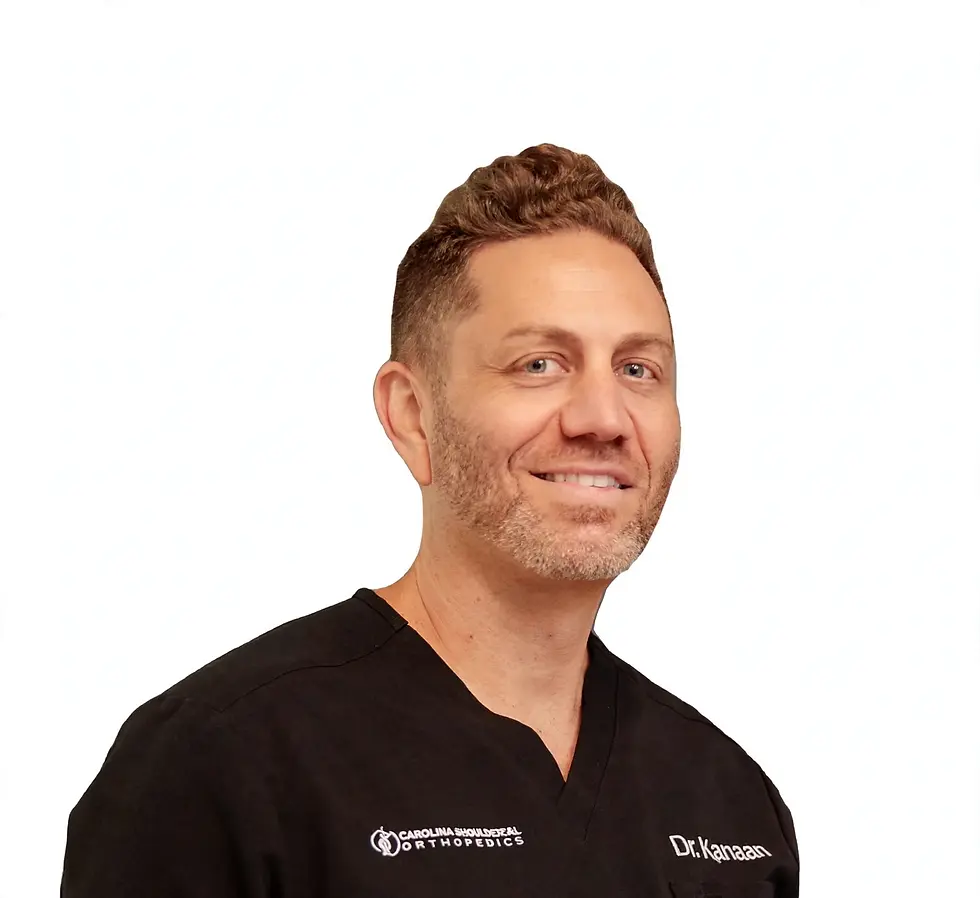
Dr. Matthew Kanaan
Nonsurgical Orthopedic Specialist
Founder of Carolina Nonsurgical Orthopedics. Fellowship trained in sports medicine at Duke; residency in family medicine at Duke, where he served as Chief Resident.
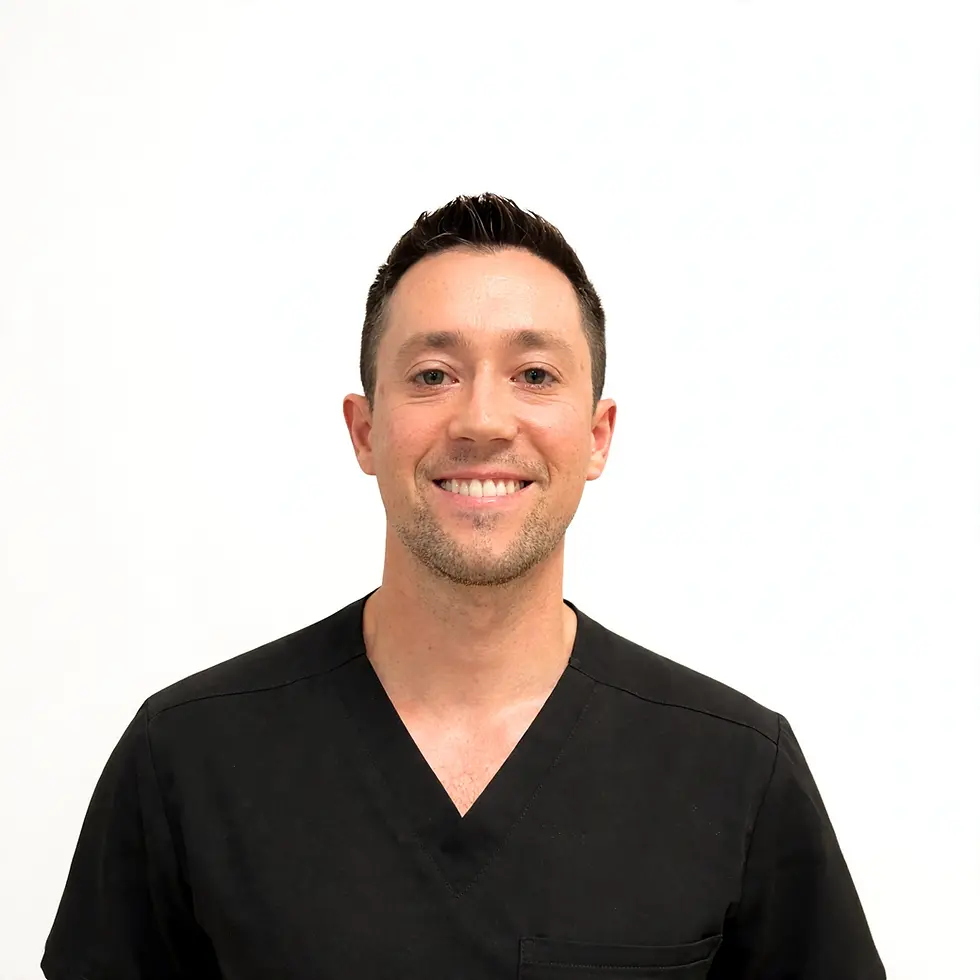
Dr. Pierce Knox
Nonsurgical Orthopedic Specialist
Fellowship trained in nonsurgical sports medicine at Penn Medicine; residency in primary care at Christiana Care.


