
)_edited_pn.png)


Can PRP Delay Knee Replacement?
Updated: Oct 15
Quick answer: PRP (platelet-rich plasma) is a concentrated injection of platelets from your own blood, placed under ultrasound guidance. At our Raleigh & Cary offices it is a cash-pay, nonsurgical treatment, and candidacy and exact pricing are reviewed at the evaluation, before you commit. PRP may help selected patients manage pain and function, but it cannot guarantee that a future knee replacement will be avoided.
For patients with knee arthritis, the goal is often not to avoid knee replacement forever. It is to stay active and comfortable without surgery for as long as that remains medically reasonable. PRP may help selected patients manage pain and function, but it cannot guarantee that a future knee replacement will be avoided. The key question is whether a nonsurgical treatment can provide enough meaningful benefit to make continued conservative care worthwhile.
What PRP can and cannot do
Platelet-rich plasma uses a concentration of a patient’s own platelets and associated growth factors. For knee osteoarthritis, it is used as a nonsurgical option intended to improve symptoms in selected patients. It does not replace missing cartilage, correct severe bowleg or knock-knee deformity, or turn an end-stage arthritic knee into a normal joint.
Who might reasonably try PRP before surgery?
Patients with symptomatic mild to moderate osteoarthritis, preserved motion, manageable mechanical alignment and a desire to remain active may be reasonable candidates for a nonsurgical strategy. Some patients with more advanced disease may also choose to try PRP, but expectations should be more guarded. The decision should be based on symptoms, examination and imaging rather than X-ray appearance alone.
When delaying replacement can make sense
If pain is tolerable, function remains acceptable and a patient can work, exercise and sleep reasonably well, there may be no urgency to replace the joint. In that setting, exercise, weight management when appropriate, bracing, medications, gel injections, PRP and other options may be considered. The best choice depends on the individual rather than a fixed treatment ladder.
When knee replacement should not be delayed
Severe daily pain, major loss of function, progressive deformity, substantial loss of motion, repeated falls or failure of reasonable nonsurgical care can make surgical consultation appropriate. PRP should not be used to promise avoidance of surgery when a patient has a clear surgical problem. A good nonsurgical practice should be willing to recommend an orthopedic surgeon when that is the better next step.
How to judge whether PRP was worthwhile
A useful outcome is improved function: walking farther, climbing stairs more comfortably, returning to exercise or reducing flare-ups. If PRP provides little or no meaningful change after an appropriate observation period, repeatedly performing the same procedure without reassessing the diagnosis is unlikely to be a good strategy.
A practical goal: preserve options
For many patients, nonsurgical care is about preserving quality of life and keeping future options open. PRP may be one tool in that plan. It is most useful when combined with a realistic discussion of arthritis severity, rehabilitation, activity goals and the circumstances in which knee replacement would become appropriate.
Related orthopedic resources
Had PRP somewhere else — and it didn't work?
A failed PRP injection doesn't always mean PRP can't help you. The two most common reasons we see when we review outside treatments are dose — many clinics deliver a fraction of the platelet dose used in the studies that showed benefit, and often never measured it — and placement, when the injection was done without ultrasound guidance and never reached the target it was meant for. If your first treatment was underdosed or unguided, having it done properly is a different procedure, not a repeat of the same one. At an evaluation with us, we'll review what was actually done and tell you honestly whether redoing it right makes sense — or whether something else would serve you better.
About Your Physicians
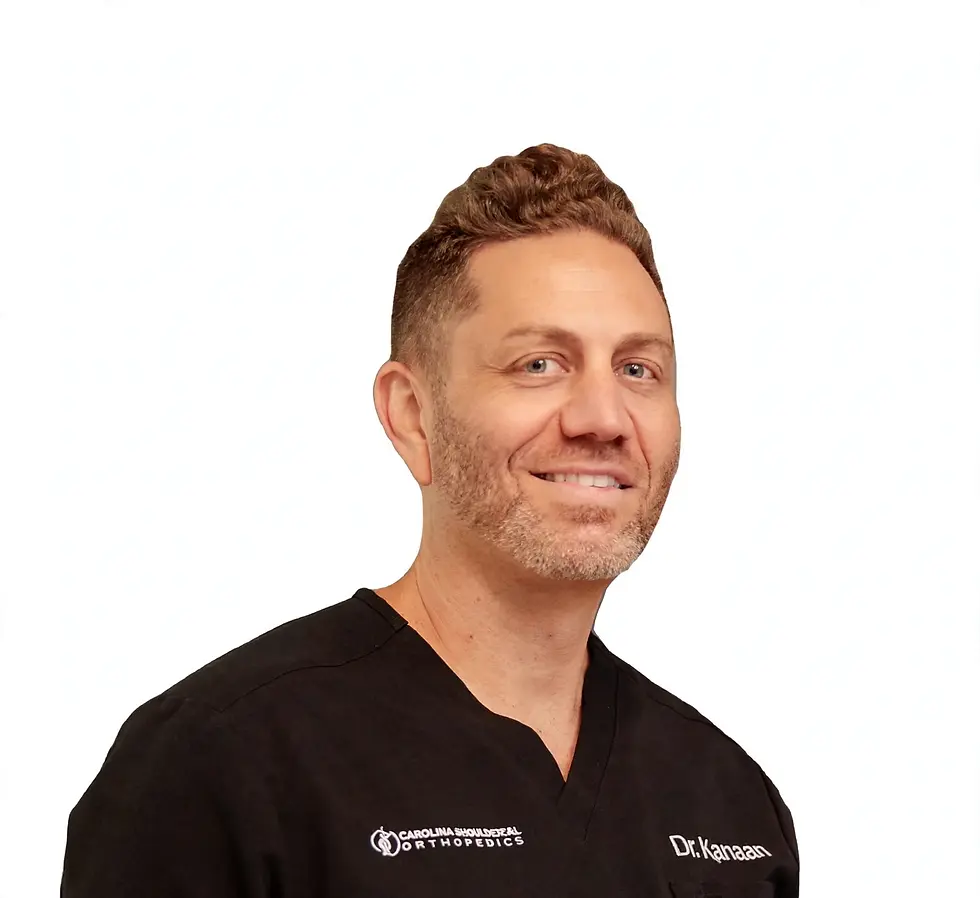
Dr. Matthew Kanaan
Nonsurgical Orthopedic Specialist
Founder of Carolina Nonsurgical Orthopedics. Fellowship trained in sports medicine at Duke; residency in family medicine at Duke, where he served as Chief Resident.
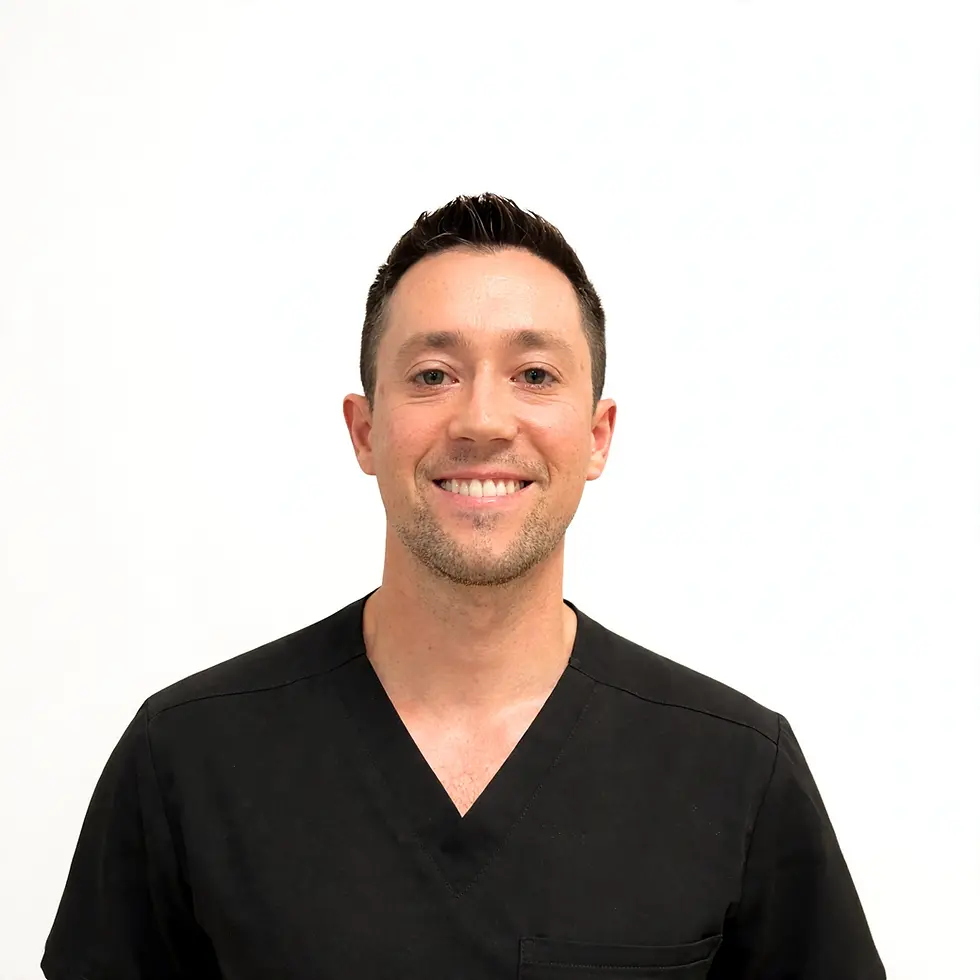
Dr. Pierce Knox
Nonsurgical Orthopedic Specialist
Fellowship trained in nonsurgical sports medicine at Penn Medicine; residency in primary care at Christiana Care.


