


Does PRP Hurt? What to Expect During and After Treatment
Updated: Oct 15
Quick answer: PRP (platelet-rich plasma) is a concentrated injection of platelets from your own blood, placed under ultrasound guidance. At our Raleigh & Cary offices it is a cash-pay, nonsurgical treatment, and candidacy and exact pricing are reviewed at the evaluation, before you commit. Once you're numb, the PRP is delivered under continuous ultrasound guidance.
The procedure itself usually doesn't hurt much — the area is numbed with local anesthetic, and most patients describe pressure rather than sharp pain. The honest part: expect soreness for 3 to 7 days afterward, sometimes worse than your original pain for the first 48 hours. That's the healing response starting, not something going wrong.
Here's the full timeline so nothing surprises you.
Before: The Blood Draw
PRP starts with a standard blood draw, usually from your arm — the same as routine lab work. If needles make you queasy, say so; the staff does this all day and there's no shame in lying down. The draw takes a few minutes, and the blood goes into a centrifuge while you're getting positioned.
During: Numbing, Then Pressure
Local anesthetic first. The skin and tissue around the injection target are numbed with lidocaine, the same anesthetic dentists use. The numbing injection itself stings briefly — that's typically the most uncomfortable 10 seconds of the whole visit.
The PRP injection. Once you're numb, the PRP is delivered under continuous ultrasound guidance. What patients report:
Pressure or fullness at the injection site — the most common description, especially for joint injections where fluid is entering a tight space.
A brief deep ache as the needle passes through tissue layers.
Rarely, sharp pain — and if you feel sharp or electric pain, say so immediately. That can mean the needle is near a nerve, and the physician will reposition.
The injection itself takes a few minutes. Tendon procedures that combine PRP with needle fenestration take a bit longer (15–20 minutes) and involve more needle passes — still under local anesthetic, still well tolerated by the vast majority of patients.
How it compares: Most patients who've had cortisone injections say PRP feels similar during the procedure. Anyone who's had a joint aspiration, an MRI arthrogram, or dental work has already experienced the worst of it.
After: The Flare (Expected) and the Recovery
Days 1–2: the flare. This is the part to know about in advance. PRP is designed to provoke a healing response, and healing starts with inflammation. The treated area will likely be sore — sometimes significantly sorer than before treatment. This peaks around 24–48 hours. It's expected, it's temporary, and it's actually consistent with the therapy working as intended.
Days 3–7: settling. The acute soreness fades. Most people are back to desk work the next day and light activity within a few days, depending on the joint.
Weeks 2–6: gradual improvement. This is when PRP differs from cortisone. Cortisone peaks in days; PRP builds over weeks. Improvement is gradual — less morning stiffness, more tolerance for activity, pain fading in the background rather than switching off.
What helps the soreness: Ice (unless your physician says otherwise), rest from the aggravating activity, and acetaminophen if needed. What to avoid: NSAIDs (ibuprofen, naproxen, celecoxib) for at least the first two weeks — they blunt the inflammatory healing response PRP is trying to create. This surprises people, so it bears repeating: no Advil after PRP.
When to Call
Expected: soreness, mild swelling, bruising at the injection site, stiffness for several days.
Call the office promptly for: fever or chills, rapidly increasing pain after day 3 (instead of gradual improvement), significant swelling with warmth and redness (infection signs are rare but must be taken seriously), numbness or weakness that wasn't there before, or bleeding that won't stop. These are uncommon, but they're the reason aftercare instructions include a phone number.
Tips From Patients Who've Done It
Schedule smart. Don't book PRP the day before a big event, a flight, or a workout you can't skip. Give yourself a few easy days.
Arrange your ride if you're anxious — you can drive yourself home after most PRP procedures, but there's no prize for white-knuckling it.
Freeze some meals or clear your calendar for the first 48 hours if the treated joint is one you depend on (knee, dominant shoulder).
Write down your questions beforehand. "How long will I be sore?" and "when can I get back to running?" are the two everyone asks — ask them before, not in the parking lot.
The Bottom Line
PRP is a well-tolerated office procedure: brief sting from the numbing, pressure during the injection, then several days of expected soreness. The pain profile is front-loaded and short — nothing like surgical recovery. Knowing the timeline in advance is most of the battle.
If you're considering PRP and want to talk through what it would involve for your specific condition, call Carolina Nonsurgical Orthopedics at 919.719.2270 or schedule your visit online. Offices in Raleigh and Cary, NC, with in-office X-ray and ultrasound for same-day evaluation.
Had PRP somewhere else — and it didn't work?
A failed PRP injection doesn't always mean PRP can't help you. The two most common reasons we see when we review outside treatments are dose — many clinics deliver a fraction of the platelet dose used in the studies that showed benefit, and often never measured it — and placement, when the injection was done without ultrasound guidance and never reached the target it was meant for. If your first treatment was underdosed or unguided, having it done properly is a different procedure, not a repeat of the same one. At an evaluation with us, we'll review what was actually done and tell you honestly whether redoing it right makes sense — or whether something else would serve you better.
About Your Physicians
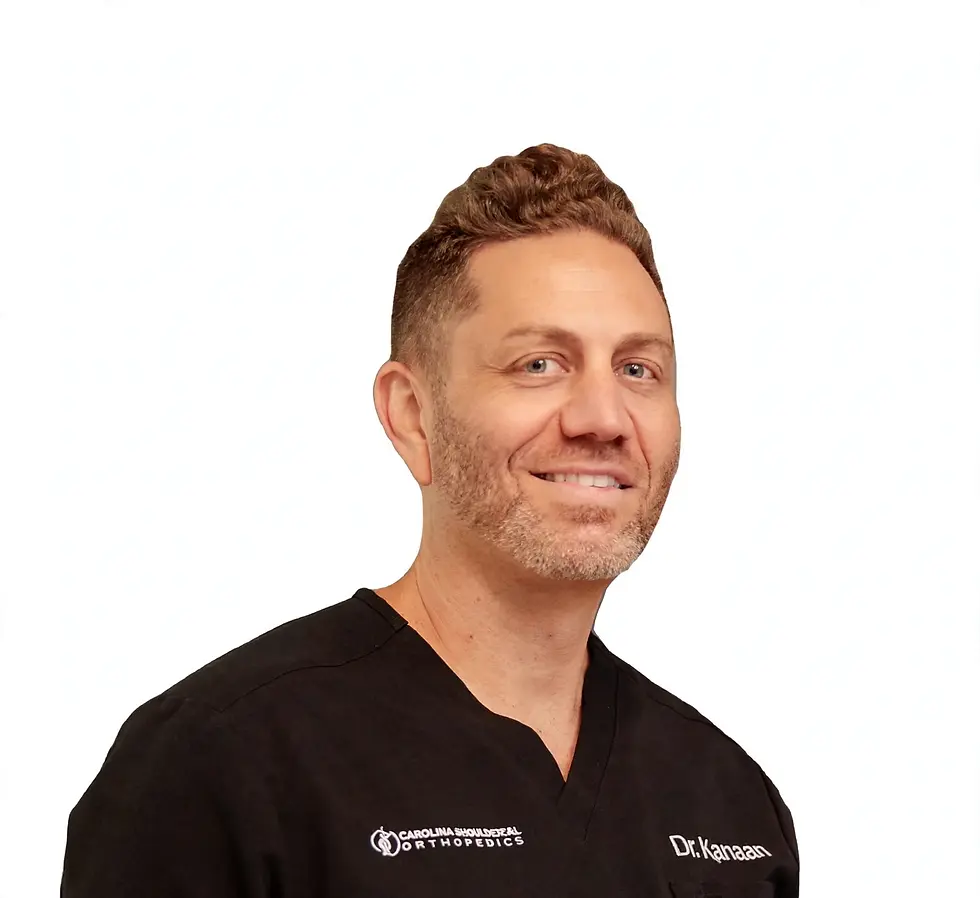
Dr. Matthew Kanaan
Nonsurgical Orthopedic Specialist
Founder of Carolina Nonsurgical Orthopedics. Fellowship trained in sports medicine at Duke; residency in family medicine at Duke, where he served as Chief Resident.
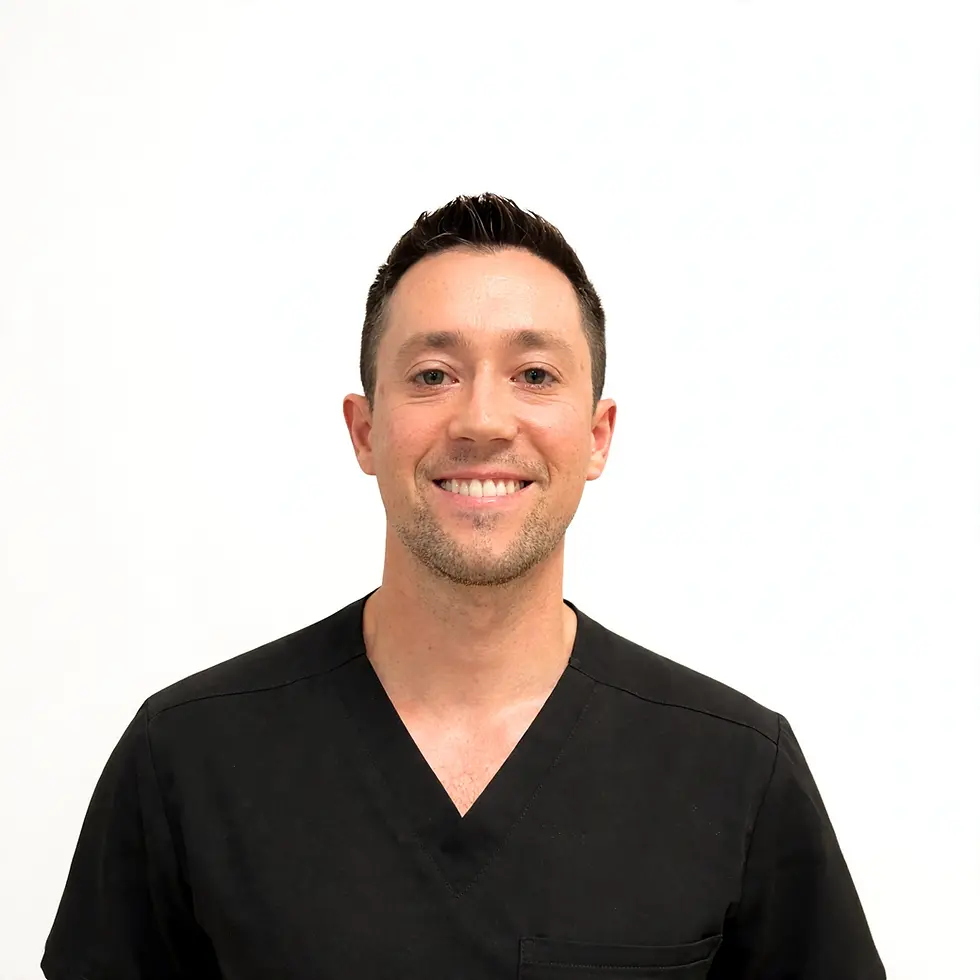
Dr. Pierce Knox
Nonsurgical Orthopedic Specialist
Fellowship trained in nonsurgical sports medicine at Penn Medicine; residency in primary care at Christiana Care.


