
)_edited_pn.png)


Hip Pain Treatment in Cary, NC: Arthritis, Tendons and Other Causes
Updated: 2 days ago
Quick answer: Hip pain is often confusing because the hip joint, gluteal tendons, bursae, lower back and nearby nerves can all create symptoms in the same general region. For patients in Cary, determining whether pain is coming from the joint or surrounding soft tissues is important because the rehabilitation strategy and procedures used for each problem can be very different.
Hip pain is often confusing because the hip joint, gluteal tendons, bursae, lower back and nearby nerves can all create symptoms in the same general region. The location of pain provides clues: groin pain more often points toward the joint, while pain over the outside of the hip commonly involves the gluteal tendons or greater trochanteric region.
For patients in Cary, determining whether pain is coming from the joint or surrounding soft tissues is important because the rehabilitation strategy and procedures used for each problem can be very different.
Hip arthritis
Hip osteoarthritis commonly causes groin pain, stiffness, reduced rotation and difficulty with activities such as putting on shoes, getting out of a low chair or walking longer distances. X-rays are usually the best first imaging test when arthritis is suspected.
Treatment may include mobility work, progressive strengthening, activity modification, medications when appropriate and image-guided injections. For advanced arthritis with major functional limitation, hip replacement can be highly effective and should be discussed when nonsurgical care is no longer providing acceptable function.
Gluteal tendinopathy and lateral hip pain
Pain on the outside of the hip, especially when lying on that side, climbing stairs or standing on one leg, is often related to the gluteus medius or minimus tendons rather than an isolated inflamed bursa. This is commonly grouped under the term greater trochanteric pain syndrome.
Rehabilitation focuses on gradually improving tendon load tolerance and hip strength while reducing positions that excessively compress the tendon. Ultrasound can evaluate the gluteal tendons and guide procedures when needed.
Hip impingement and labral problems
Femoroacetabular impingement and labral pathology often produce groin pain with deep flexion, pivoting or prolonged sitting. These findings are common on imaging, so examination and symptom pattern are important before deciding that a labral tear is the cause of pain.
Treatment often starts with modifying provocative positions, improving hip and trunk strength and addressing mobility. Persistent mechanical symptoms, substantial structural abnormalities or failure of conservative care can justify orthopedic surgical consultation.
Back and nerve problems can mimic hip pain
Lumbar spine and nerve disorders can refer pain into the buttock, lateral hip or even groin. Numbness, tingling, radiating pain below the knee or symptoms strongly linked to spinal position may suggest a non-hip source.
This is one reason a careful examination is valuable before injecting the hip. Treating the wrong structure can temporarily confuse the picture and delay the correct diagnosis.
Injection and regenerative options
Image-guided joint injections can be used diagnostically and therapeutically in selected cases. PRP may be considered for some gluteal tendon problems and for selected joint conditions, while corticosteroid may have a role in particular inflammatory situations.
The best procedure depends on the diagnosis. A lateral hip tendon problem should not automatically receive the same treatment as hip-joint arthritis, and neither should be assumed to respond to a biologic procedure simply because pain has been present for a long time.
When to seek further evaluation
Progressive weakness, inability to bear weight after trauma, fever with a painful joint, severe night pain without explanation or rapidly worsening symptoms deserve timely evaluation.
For nonurgent problems, persistent pain that limits walking, sleep or exercise despite a reasonable rehabilitation effort is a good reason to obtain a more specific diagnosis.
Related Cary orthopedic resources
Important note
This article is for general educational purposes and is not a substitute for an individual medical evaluation. Treatment recommendations and results vary, and some orthopedic conditions require surgical or other specialty care.
About Your Physicians
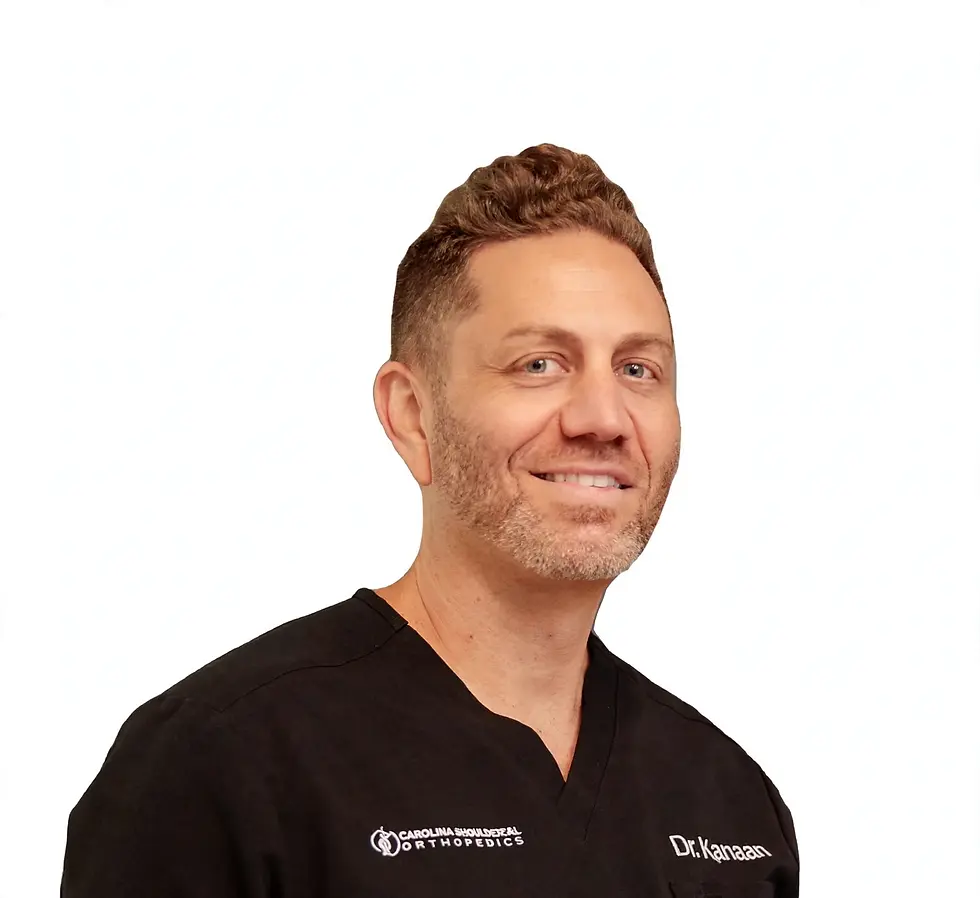
Dr. Matthew Kanaan
Nonsurgical Orthopedic Specialist
Founder of Carolina Nonsurgical Orthopedics. Fellowship trained in sports medicine at Duke; residency in family medicine at Duke, where he served as Chief Resident.
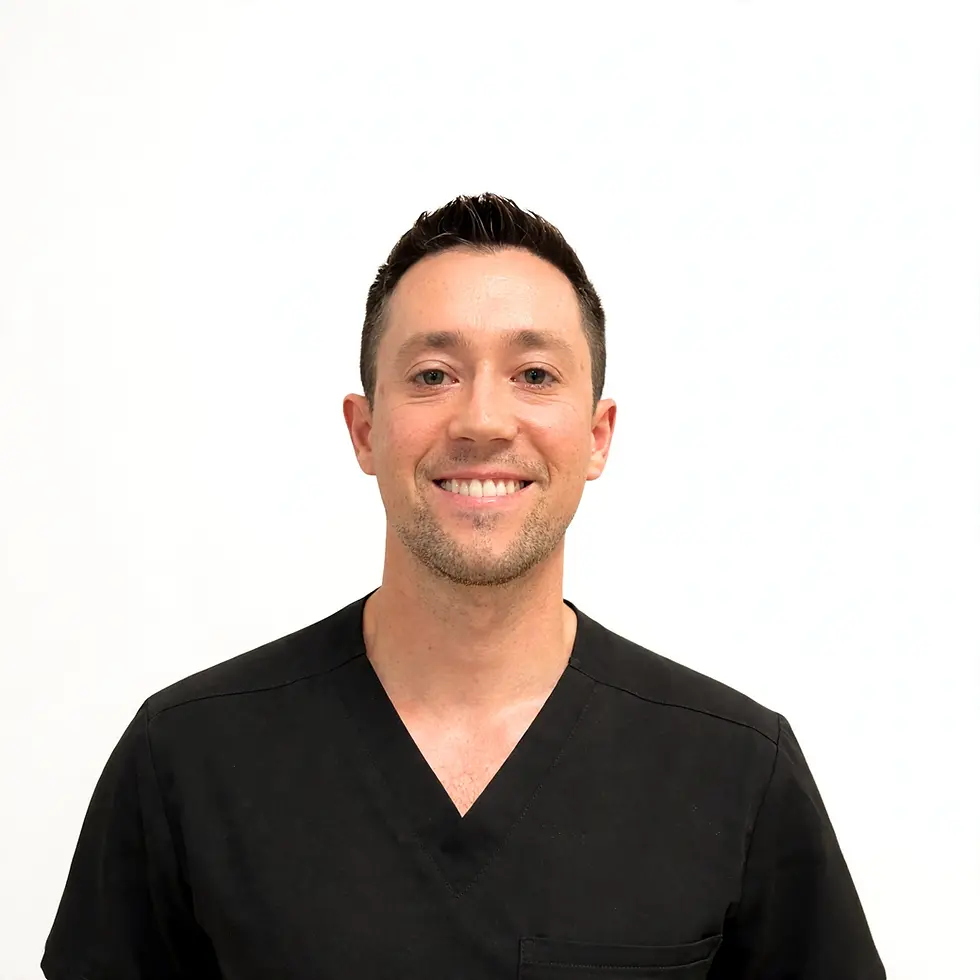
Dr. Pierce Knox
Nonsurgical Orthopedic Specialist
Fellowship trained in nonsurgical sports medicine at Penn Medicine; residency in primary care at Christiana Care.


