
)_edited_pn.png)


How Long Does PRP Last for Knee Arthritis?
Updated: 1 day ago
Quick answer: PRP (platelet-rich plasma) is a concentrated injection of platelets from your own blood, placed under ultrasound guidance. At our Raleigh & Cary offices it is a cash-pay, nonsurgical treatment, and candidacy and exact pricing are reviewed at the evaluation, before you commit. When PRP helps, improvement may last for months and sometimes longer, but the response depends on the degree of arthritis, the patient, activity demands, the PRP preparation and the overall treatment plan.
One of the most common questions about platelet-rich plasma for knee arthritis is how long the benefit lasts. There is no single duration that applies to every patient. When PRP helps, improvement may last for months and sometimes longer, but the response depends on the degree of arthritis, the patient, activity demands, the PRP preparation and the overall treatment plan. PRP should be viewed as one part of managing osteoarthritis rather than a permanent cure.
Why there is no fixed expiration date
Knee arthritis is progressive at different rates in different people. Two patients with similar X-rays can have very different pain levels, strength, mobility and activity goals. A patient with moderate arthritis who maintains strength and body weight may experience a different duration of benefit than someone with advanced bone-on-bone changes and major mechanical limitations.
What does it mean when PRP works?
Success is not necessarily zero pain. A meaningful response may mean easier stairs, longer walks, improved exercise tolerance, less stiffness, fewer bad days or less reliance on medications. Those functional improvements are often more useful than judging the injection by a single pain score.
What can affect how long relief lasts?
Important factors include arthritis severity, alignment, meniscus condition, strength, body weight, activity load and whether pain is truly coming from the knee joint. The concentration and characteristics of the PRP product and the precision of the injection may also matter. Ultrasound guidance can help confirm accurate placement and identify additional structures that may contribute to symptoms.
Does PRP stop arthritis progression?
PRP should not be presented as a treatment that reliably stops or reverses osteoarthritis. The goal is symptom and function improvement in appropriately selected patients. Long-term joint health still depends on strength, mobility, appropriate loading, weight management when relevant, and treatment of other mechanical problems.
When should another injection be considered?
There is no universal schedule requiring PRP every six or twelve months. If a patient had a meaningful response and symptoms later return, reassessment is reasonable. The decision to repeat treatment should consider how much benefit occurred, how long it lasted, whether the diagnosis has changed, and whether another option now makes more sense.
Building a long-term knee plan
The strongest nonsurgical plan usually combines a clear diagnosis with exercise, activity modification and selected procedures when appropriate. PRP can be useful for some patients, but it should not replace a thoughtful arthritis management strategy or delay surgery when surgery is clearly indicated.
Related orthopedic resources
Had PRP somewhere else — and it didn't work?
A failed PRP injection doesn't always mean PRP can't help you. The two most common reasons we see when we review outside treatments are dose — many clinics deliver a fraction of the platelet dose used in the studies that showed benefit, and often never measured it — and placement, when the injection was done without ultrasound guidance and never reached the target it was meant for. If your first treatment was underdosed or unguided, having it done properly is a different procedure, not a repeat of the same one. At an evaluation with us, we'll review what was actually done and tell you honestly whether redoing it right makes sense — or whether something else would serve you better.
About Your Physicians
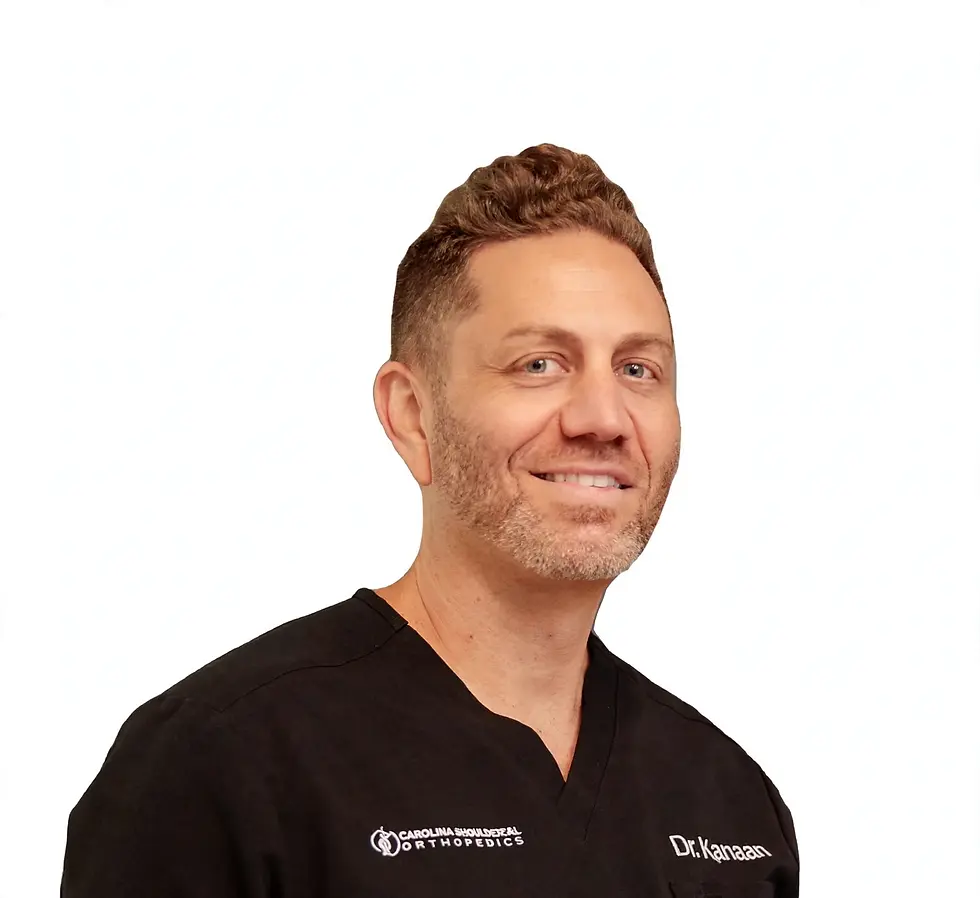
Dr. Matthew Kanaan
Nonsurgical Orthopedic Specialist
Founder of Carolina Nonsurgical Orthopedics. Fellowship trained in sports medicine at Duke; residency in family medicine at Duke, where he served as Chief Resident.
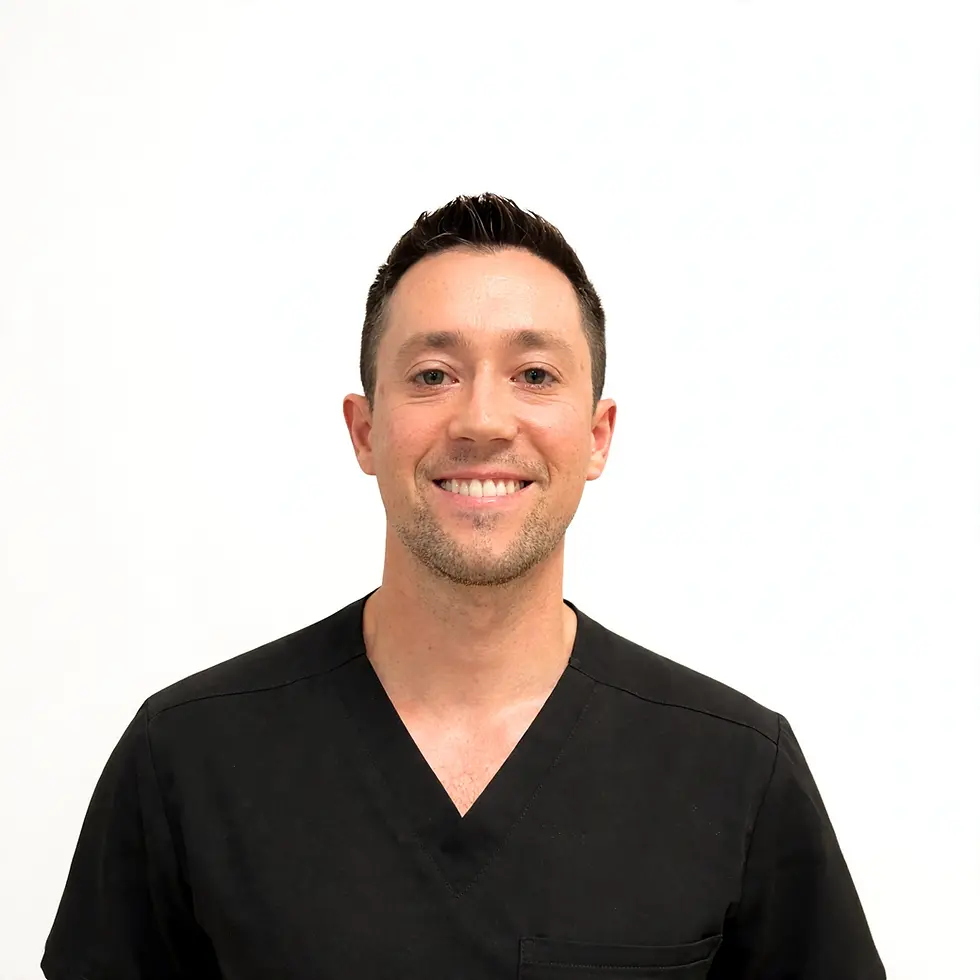
Dr. Pierce Knox
Nonsurgical Orthopedic Specialist
Fellowship trained in nonsurgical sports medicine at Penn Medicine; residency in primary care at Christiana Care.


