
)_edited_pn.png)


How Painful Is a Hip PRP Injection?
Updated: 1 day ago
Quick answer: PRP (platelet-rich plasma) is a concentrated injection of platelets from your own blood, placed under ultrasound guidance. At our Raleigh & Cary offices it is a cash-pay, nonsurgical treatment, and candidacy and exact pricing are reviewed at the evaluation, before you commit. A hip PRP injection sounds intimidating because the hip joint is deep beneath the skin and surrounding muscles.
A hip PRP injection sounds intimidating because the hip joint is deep beneath the skin and surrounding muscles. In practice, the procedure is typically performed with ultrasound guidance so the physician can visualize the target and guide the needle accurately. Patients can feel pressure, a pinch and temporary discomfort, but the experience varies. Post-injection soreness is also common and is different from the pain felt during the procedure itself.
Why ultrasound guidance matters in the hip
The hip joint cannot be accurately targeted by simply estimating its location from the surface. Ultrasound allows the physician to see the femoral head and neck, joint capsule, nearby vessels and the needle as it advances. This helps improve procedural precision and can also be used to evaluate surrounding tendons and bursae when those may be contributing to pain.
What does the injection itself feel like?
Patients usually feel the initial skin puncture and then pressure as the needle is advanced. The deeper portion may produce an ache or a brief reproduction of familiar hip pain. The PRP injection itself can create a sense of fullness or pressure. The amount of discomfort depends on individual sensitivity, anatomy, the target and the treatment technique.
What happens after the injection?
Soreness for several days can occur after PRP. Some patients describe the hip as achy or more noticeable with walking during the early period. This temporary flare does not necessarily mean something is wrong. Post-procedure instructions typically limit strenuous activity initially and then allow a gradual return based on symptoms and the treating physician’s plan.
Is hip PRP always injected into the joint?
No. Hip pain can arise from the joint, gluteal tendons, proximal hamstring, iliopsoas and other structures. A careful examination and imaging review should determine the target. Treating the wrong structure is unlikely to help regardless of how precisely the injection is performed.
Who might consider hip PRP?
PRP may be considered for selected patients with hip osteoarthritis or certain tendon problems who have not improved enough with appropriate conservative care. It is not appropriate for every diagnosis, and severe arthritis may be less predictable. Expectations should be individualized before treatment.
Preparing for a hip PRP procedure
Patients should review medications and supplements with the treating clinic, arrange the day around the procedure, and understand activity restrictions. Ask what structure will be injected, how imaging will be used and what recovery timeline is expected. A clear plan reduces uncertainty and makes the procedure easier to prepare for.
Related orthopedic resources
Had PRP somewhere else — and it didn't work?
A failed PRP injection doesn't always mean PRP can't help you. The two most common reasons we see when we review outside treatments are dose — many clinics deliver a fraction of the platelet dose used in the studies that showed benefit, and often never measured it — and placement, when the injection was done without ultrasound guidance and never reached the target it was meant for. If your first treatment was underdosed or unguided, having it done properly is a different procedure, not a repeat of the same one. At an evaluation with us, we'll review what was actually done and tell you honestly whether redoing it right makes sense — or whether something else would serve you better.
About Your Physicians
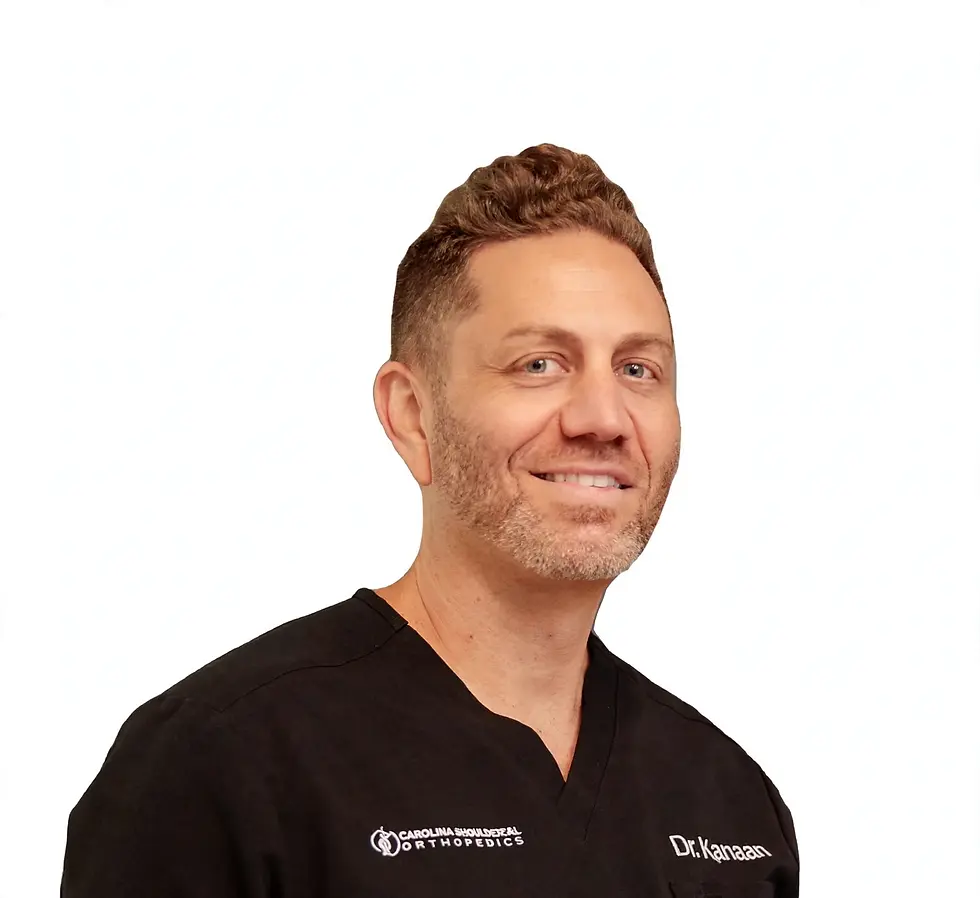
Dr. Matthew Kanaan
Nonsurgical Orthopedic Specialist
Founder of Carolina Nonsurgical Orthopedics. Fellowship trained in sports medicine at Duke; residency in family medicine at Duke, where he served as Chief Resident.
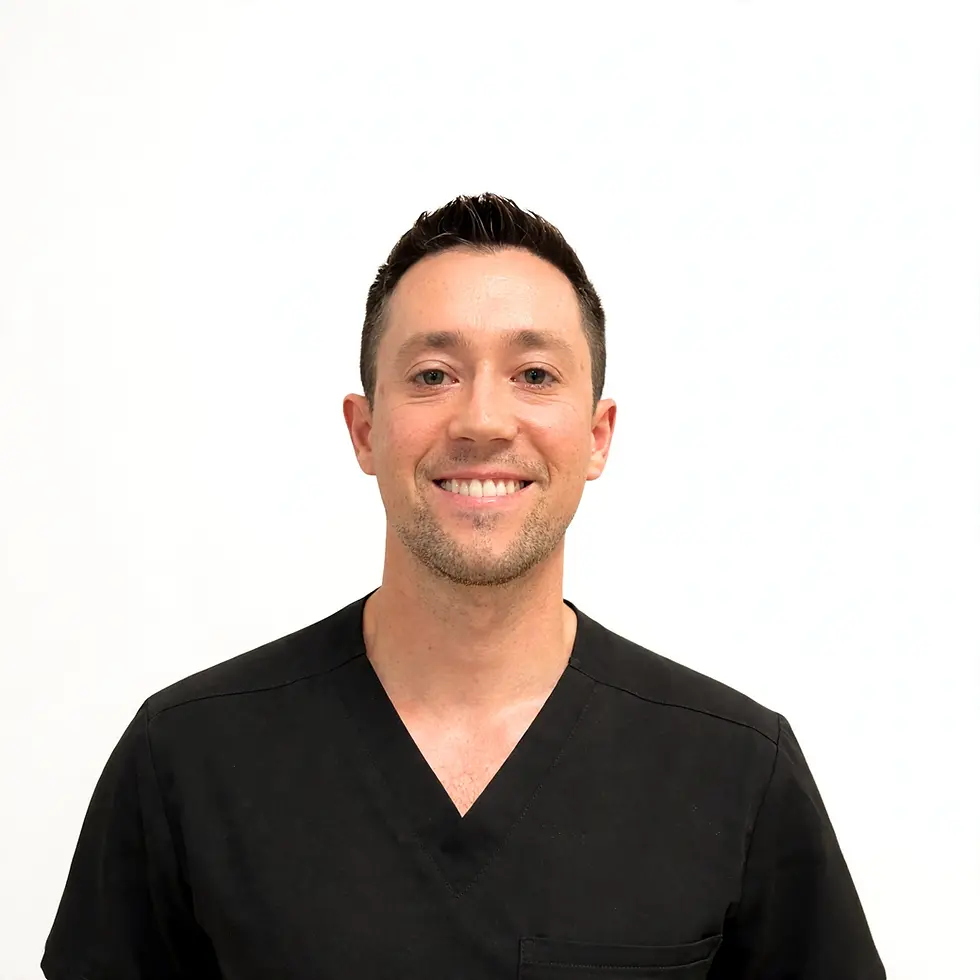
Dr. Pierce Knox
Nonsurgical Orthopedic Specialist
Fellowship trained in nonsurgical sports medicine at Penn Medicine; residency in primary care at Christiana Care.


