
)_edited_pn.png)


Outer Hip Pain When Lying on Your Side: Common Causes
Updated: 2 days ago
Quick answer: Pain over the outside of the hip is frequently blamed on bursitis, but the gluteus medius and minimus tendons are often involved.
Pain over the outside of the hip is frequently blamed on bursitis, but the gluteus medius and minimus tendons are often involved. This group of conditions is commonly called greater trochanteric pain syndrome.
Typical symptoms
Patients may have pain when lying on the affected side, climbing stairs, walking uphill, standing on one leg or getting out of a car. Tenderness directly over the greater trochanter is common.
Why it happens
Tendon overload, weakness, altered hip mechanics and compression of the gluteal tendons can contribute. Lumbar spine and hip joint problems can mimic lateral hip pain, so the exam should assess more than one structure.
Treatment
Load management and progressive strengthening are central. Ultrasound can identify tendon pathology. Shockwave therapy or PRP may be considered in persistent tendinopathy, while steroid injections can reduce short-term bursal inflammation in selected cases.
When to seek care
Persistent pain, progressive weakness, recurrent swelling, locking, inability to bear weight after an injury, or symptoms that limit sleep and daily activity deserve medical evaluation. Treatment is most effective when it is based on a clear diagnosis rather than simply the location of pain.
Related care: hip pain treatment
Carolina Nonsurgical Orthopedics provides physician-led evaluation and nonsurgical treatment for musculoskeletal conditions in Raleigh and Cary, North Carolina. This article is for general education and is not a substitute for an individual medical evaluation.
Related orthopedic resources
A Closer Look at Outer Hip Pain When Lying on Your Side
Hip-region pain can originate from the hip joint, gluteal tendons, proximal hamstring tendons, bursae, or even the lumbar spine. Groin pain often behaves differently from lateral hip or sitting-bone pain, so identifying the true pain generator is important before recommending treatment.
Nonsurgical Treatment and PRP for hip in Raleigh & Cary
For selected chronic hip and tendon conditions, PRP may be considered after appropriate exercise-based care has not produced enough improvement. Ultrasound guidance can be especially useful around the hip because it allows the physician to visualize tendons, bursae, and other soft tissues while targeting treatment.
At Carolina Nonsurgical Orthopedics, the goal when evaluating hip pain is to match treatment to the specific diagnosis rather than simply treating the location of pain. Patients in Raleigh and Cary may have options that include targeted rehabilitation, activity modification, shockwave therapy, image-guided injections, PRP, or other regenerative approaches depending on the condition and its severity.
About Your Physicians
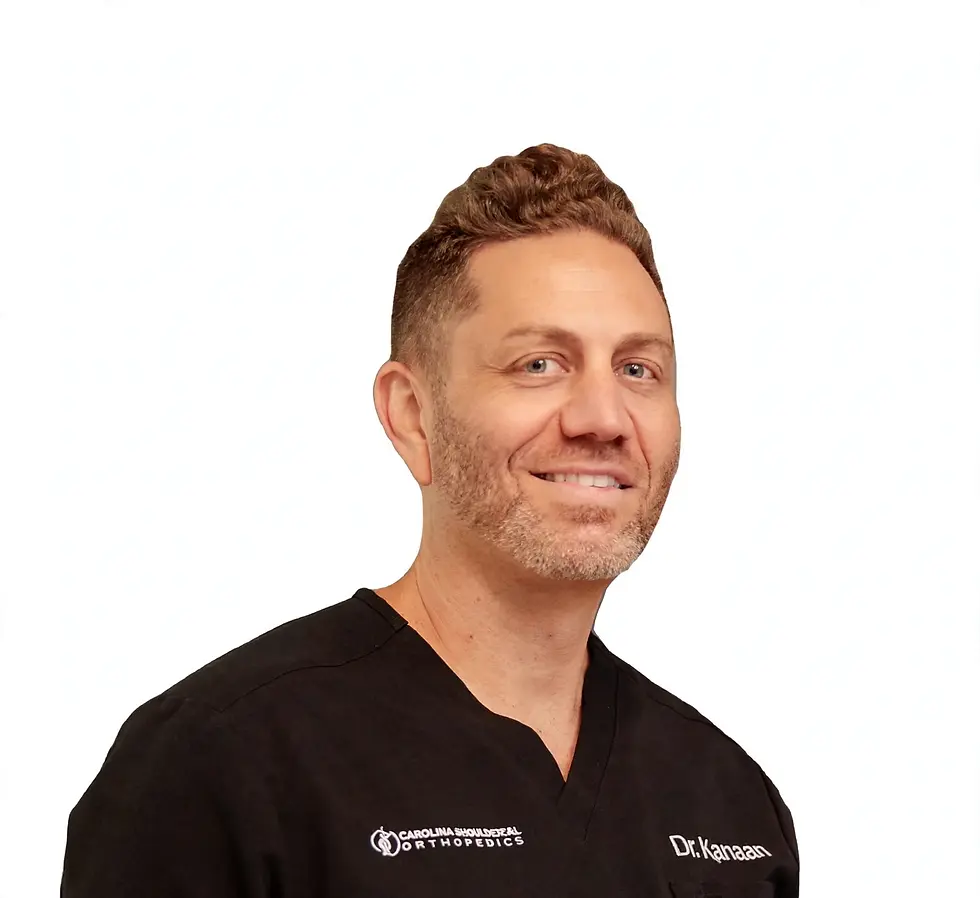
Dr. Matthew Kanaan
Nonsurgical Orthopedic Specialist
Founder of Carolina Nonsurgical Orthopedics. Fellowship trained in sports medicine at Duke; residency in family medicine at Duke, where he served as Chief Resident.
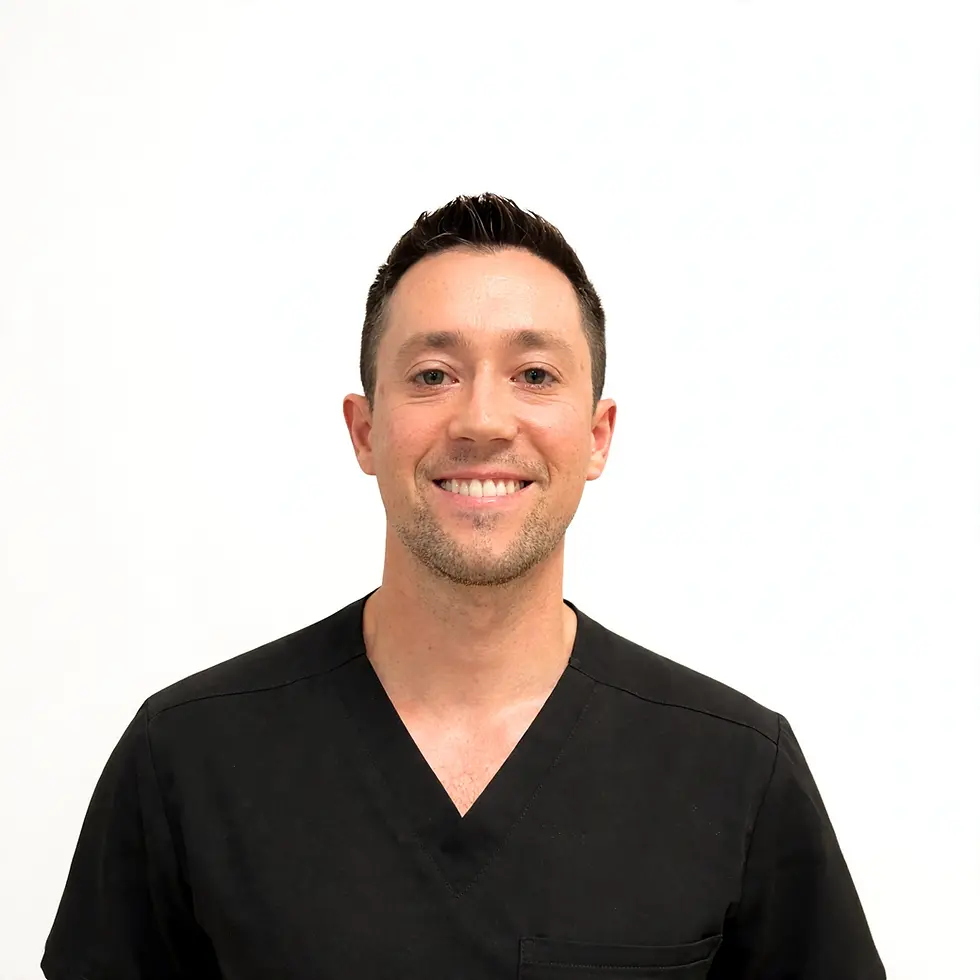
Dr. Pierce Knox
Nonsurgical Orthopedic Specialist
Fellowship trained in nonsurgical sports medicine at Penn Medicine; residency in primary care at Christiana Care.


