
)_edited_pn.png)


Platelet-Rich Plasma for Gluteal Tendonitis Treatment
Updated: Oct 15
Quick answer: PRP (platelet-rich plasma) is a concentrated injection of platelets from your own blood, placed under ultrasound guidance. At our Raleigh & Cary offices it is a cash-pay, nonsurgical treatment, and candidacy and exact pricing are reviewed at the evaluation, before you commit. Over two years, PRP produced sustained pain relief and functional improvement, while the benefits of steroids waned after only six weeks.
Written By Dr. Matthew Kanaan, Carolina Nonsurgical Orthopedics

Gluteal tendonitis—often presenting as lateral hip pain that worsens with climbing stairs, walking, or lying on the affected side—can significantly impact daily life. While rest, physical therapy, and anti‑inflammatory medications are first-line treatments, many patients face persistent discomfort.
PRP Therapy: Safe and effective evidence-based treatment
At Carolina Nonsurgical Orthopedics in Raleigh, NC, Dr. Matthew Kanaan offers an advanced alternative: ultrasound-guided Platelet-Rich Plasma (PRP) therapy.
PRP is derived from a patient’s own blood: a sample is centrifuged to concentrate platelets, rich in growth factors that promote tissue repair, reduce inflammation, and stimulate regeneration. Not all PRP is alike—at our practice, we optimize platelet concentration specifically for each individual’s condition.
Strong clinical evidence supports the efficacy of PRP in treating gluteal tendonitis. A double‑blind, randomized study in The American Journal of Sports Medicine compared leukocyte-rich PRP to corticosteroids for chronic gluteal tendinopathy. Over two years, PRP produced sustained pain relief and functional improvement, while the benefits of steroids waned after only six weeks.

Why choose PRP at Carolina Nonsurgical Orthopedics?
Duke-trained expertise: Dr. Kanaan is a Duke Sports Medicine fellowship graduate, has performed over 50,000 ultrasound‑guided procedures, and has specialized in orthobiologics since 2013.
Precision delivery: Ultrasound guidance ensures accurate placement of PRP into the tendon, maximizing its therapeutic effect.
Individualized care: Dr. Kanaan calibrates PRP dosage and formulation to each patient's unique case, providing tailored treatment for optimal healing.
What to expect: The procedure involves a simple blood draw, processing, and a quick injection into the gluteal tendon. Recovery time is minimal, with most patients resuming light activity within a few days. Combined with a supportive physical rehab plan, this treatment empowers the body’s own healing capabilities.
At Carolina Nonsurgical Orthopedics, we stand by evidence‑based practice. If persistent hip pain continues despite conservative care, PRP offers a natural, long-lasting solution. Consult Dr. Kanaan to explore whether PRP is the right next step to treat your gluteal tendonitis.
Orthopedic care in Cary, NC
For patients closer to Cary, see our Cary orthopedic office and our Cary PRP guide for location-specific information and related treatment options.
Had PRP somewhere else — and it didn't work?
A failed PRP injection doesn't always mean PRP can't help you. The two most common reasons we see when we review outside treatments are dose — many clinics deliver a fraction of the platelet dose used in the studies that showed benefit, and often never measured it — and placement, when the injection was done without ultrasound guidance and never reached the target it was meant for. If your first treatment was underdosed or unguided, having it done properly is a different procedure, not a repeat of the same one. At an evaluation with us, we'll review what was actually done and tell you honestly whether redoing it right makes sense — or whether something else would serve you better.
About Your Physicians
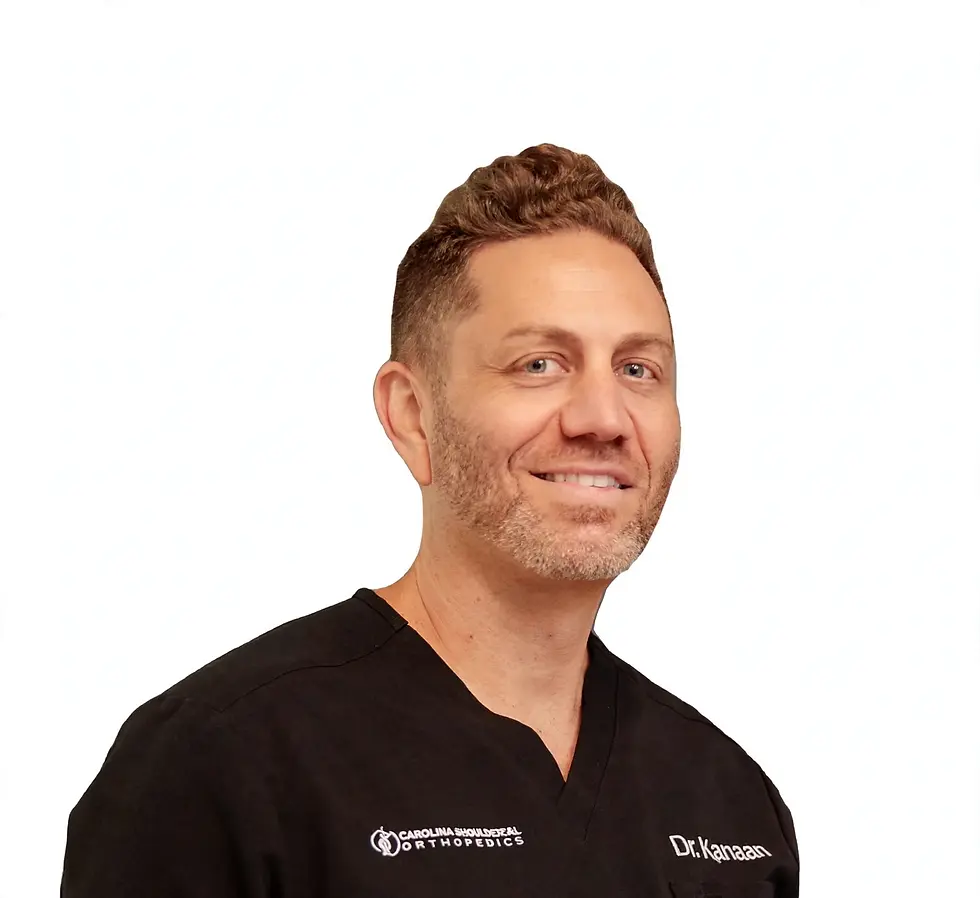
Dr. Matthew Kanaan
Nonsurgical Orthopedic Specialist
Founder of Carolina Nonsurgical Orthopedics. Fellowship trained in sports medicine at Duke; residency in family medicine at Duke, where he served as Chief Resident.
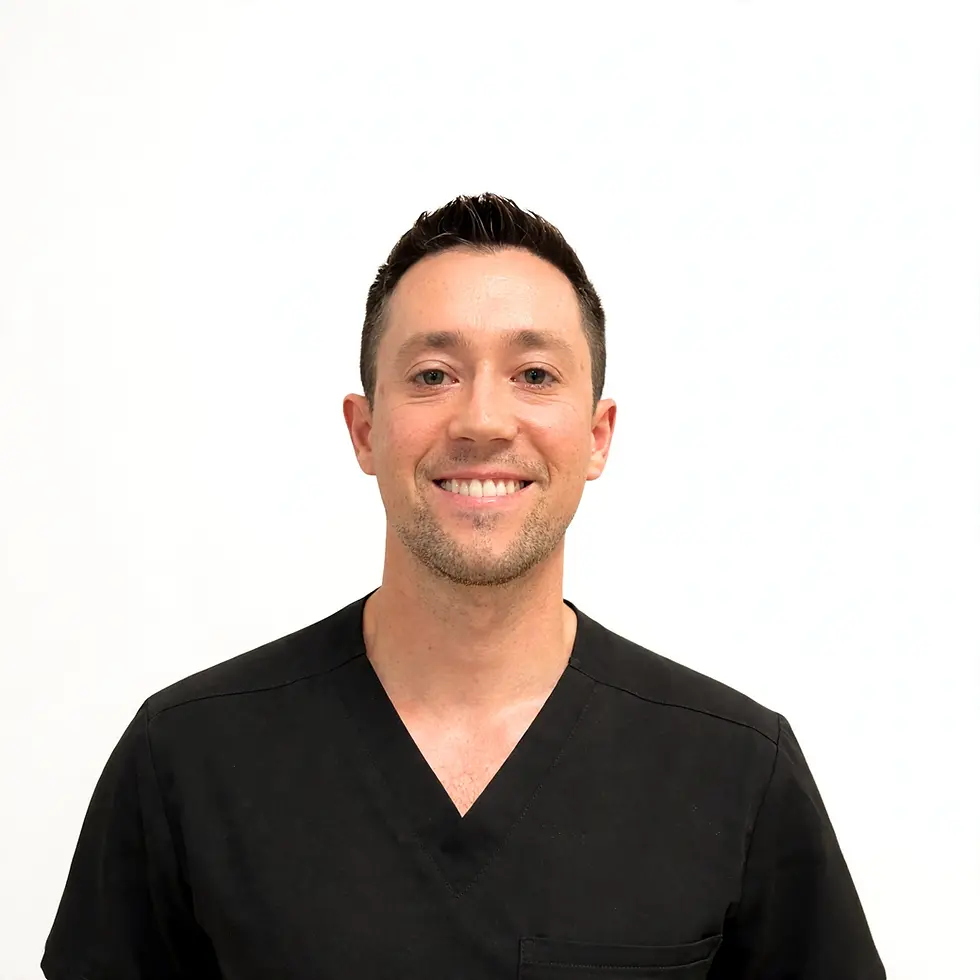
Dr. Pierce Knox
Nonsurgical Orthopedic Specialist
Fellowship trained in nonsurgical sports medicine at Penn Medicine; residency in primary care at Christiana Care.


