


Prolotherapy: What It Is and Who It's For
Updated: Oct 14
Quick answer: Prolotherapy is an injection of a dextrose-based solution that prompts a healing response in weakened ligaments and tendon attachments. It is a cash-pay, nonsurgical treatment we offer in Raleigh & Cary, typically as a series. Patients at our Raleigh and Cary offices often ask how prolotherapy compares to platelet-rich plasma (PRP), since both fall under the "regenerative injection" umbrella.
If you're dealing with an aching joint or a tendon that won't calm down — and you'd like to explore options beyond repeated cortisone shots or surgery — you may have heard the term "prolotherapy." It's one of the oldest regenerative injection techniques in sports medicine, and a reasonable option for selected patients. Here's what it is, who it may suit, and what to expect.
What Is Prolotherapy?
Prolotherapy (short for "proliferative therapy") is an injection technique in which a dextrose (simple sugar) solution — usually with a local anesthetic — is injected into and around painful ligaments, tendons, or joints. The dextrose acts as a mild irritant that triggers a brief, localized inflammatory response, which is thought to stimulate the body's own tissue-repair processes in structures that may be healing poorly on their own.
The technique has been used for many decades. Solutions typically range from about 10% to 25% dextrose depending on the target tissue. Prolotherapy is performed in the office — no surgery, no tissue removal or implantation.
Prolotherapy is an off-label but widely practiced treatment in sports medicine, and a candid physician should be upfront about the evidence: research is modest and mixed. Some studies suggest meaningful benefit for certain conditions, while others show smaller or uncertain effects. Prolotherapy is a reasonable option to discuss, not a proven cure-all.
How Prolotherapy Differs From PRP
Patients at our Raleigh and Cary offices often ask how prolotherapy compares to platelet-rich plasma (PRP), since both fall under the "regenerative injection" umbrella. They work through different mechanisms, and the right choice depends on your condition, your goals, and your budget.
Source material: Prolotherapy uses a dextrose solution prepared in the clinic — no blood draw needed. Platelet-rich plasma (PRP) is prepared from your own blood, concentrated to deliver platelets and their growth factors to the injured tissue.
Treatment course: Prolotherapy is almost always a series — commonly three to six sessions spaced a few weeks apart. PRP is often a single session, sometimes followed by a second.
Cost: Prolotherapy is typically less expensive per session than PRP, though a full series adds up. Many patients view it as a lower-cost entry point into regenerative treatment.
Evidence: Both have a modest, mixed evidence base. Neither is guaranteed to work — results vary from person to person.
One way to think about it: prolotherapy attempts to nudge the body into a repair response with a simple, inexpensive solution, while PRP supplies the biologic material (platelets) that drives repair more directly.
Which Conditions Is Prolotherapy Considered For?
Prolotherapy is most commonly discussed for conditions involving ligaments and tendons that have become a source of chronic pain — particularly where imaging or examination suggests the tissue is under-healed rather than acutely inflamed. Examples include:
Ligament laxity and chronic sprains: Ankle sprains that never fully recovered, wrist or finger ligament injuries, and similar injuries where the joint still feels unstable or achy months later.
Chronic tendinopathy: Persistent tennis elbow, golfer's elbow, Achilles tendinopathy, and patellar tendinopathy ("jumper's knee") that haven't responded to rest, therapy, and activity modification.
Selected joint pain: Some patients with knee or finger osteoarthritis consider prolotherapy when they want to avoid or delay more aggressive interventions. Evidence here is more limited, and candidacy depends on the severity of the arthritis.
Chronic pain after failed conservative care: When physical therapy, bracing, and activity modification have plateaued but surgery isn't indicated or desired.
Prolotherapy is generally not appropriate for acute injuries with significant swelling or instability, complete ligament or tendon ruptures, fractures, infections, or inflammatory arthritis flares. It's also not a substitute for rehabilitation: the best results tend to come when injections are paired with a sensible loading and strengthening program.
What a Treatment Course Looks Like
If you and your physician decide prolotherapy is reasonable for your situation, here's what to expect:
Evaluation first. A careful history and physical exam — often with in-office ultrasound — to confirm your pain source matches what prolotherapy is meant to address. If the diagnosis points elsewhere, the honest recommendation may be a different treatment entirely.
The injection visit. The skin is cleaned, local anesthetic may be used, and the dextrose solution is injected into and around the target tissue — often with ultrasound guidance for precise placement. A session typically takes 15–30 minutes.
A series, not a single shot. Most protocols involve three to six sessions spaced two to six weeks apart. Improvement, when it occurs, tends to build gradually across the series.
Aftercare. You may have some soreness at the injection sites for a day or two — that's expected and consistent with the intended mild inflammatory response. Most patients return to normal daily activities right away, with temporary modification of heavy loading. Anti-inflammatory medications are often discouraged around treatment sessions, since the therapy is designed to work through the inflammatory pathway.
Reassessment. After the series, your physician reassesses. Some patients report meaningful improvement; others notice little change. If there's no meaningful benefit, it's reasonable to stop rather than continue indefinitely. As with any injection, small risks include temporary pain or bruising, and rarely infection or nerve irritation — your physician will review these before you begin.
Candidacy: Who Should — and Shouldn't — Consider It
Prolotherapy tends to make the most sense for patients who have chronic (typically several months or longer) ligament or tendon pain, have completed or are engaged in appropriate physical therapy, want to avoid repeated corticosteroid injections or are not candidates for surgery, and understand that results vary. It may be a poor fit if you're looking for a quick fix, if your condition needs surgical evaluation, or if you have an active infection or certain bleeding disorders. Patients with well-controlled diabetes should discuss dextrose injections with their physician, since the solution contains sugar — though the amounts used are small and locally placed.
The most important candidacy factor is an accurate diagnosis. Prolotherapy directed at the wrong structure won't help regardless of how well the technique is performed — which is why the initial evaluation matters more than the injection itself.
A Realistic Word on the Evidence
Prolotherapy has been practiced for decades, and there is published research on its use for knee osteoarthritis, chronic tendinopathy, and ligament injuries. Studies suggest potential benefit in some of these areas — but the overall quality of the evidence is modest, study sizes are often small, and results are mixed across conditions.
That framing matters. Be wary of any clinic that promises prolotherapy will "regenerate" your joint or guarantees a specific outcome. We present prolotherapy the way the evidence supports it: a long-used, low-risk, relatively affordable option that helps some patients with chronic ligament and tendon problems — and doesn't help others. The decision should be made with a physician who will tell you when it's not the right call, too.
If you're weighing prolotherapy against other options — including high-dose PRP, shockwave therapy, or a well-designed rehabilitation program — a consultation can help sort out which approach best fits your diagnosis, your timeline, and your budget.
Frequently Asked Questions
How many prolotherapy sessions will I need?
Most plans involve three to six sessions spaced a few weeks apart, tailored to your condition and reassessed along the way. If you're not seeing meaningful improvement after a reasonable series, continuing usually isn't advisable.
Does prolotherapy hurt?
Most patients describe the injections as uncomfortable but tolerable, with some pressure or brief stinging at the injection sites. Local anesthetic is typically included in the solution, and soreness for a day or two afterward is common and expected.
Is prolotherapy covered by insurance?
In most cases, no — prolotherapy is generally considered an elective, out-of-pocket treatment. Our office provides clear pricing before you begin so there are no surprises.
How does prolotherapy compare to a cortisone shot?
Corticosteroids primarily reduce inflammation and pain in the short term, while prolotherapy aims to stimulate a healing response over a series of treatments. Cortisone can be very effective for the right problem, but repeated steroid injections carry their own downsides. Our page on steroid-alternative injection options walks through the trade-offs in more detail.
The Bottom Line
Prolotherapy is a simple, long-practiced injection therapy that may be worth considering for chronic ligament and tendon pain when conservative care has stalled and you want to explore options beyond repeated cortisone or surgery. It's not magic, the evidence is modest, and candidacy depends on an accurate diagnosis — but for the right patient, it's a reasonable, relatively affordable step.
If you're in the Raleigh or Cary, NC area and wondering whether prolotherapy fits your situation, we'd be glad to evaluate you and give you a straight answer — including telling you when a different approach makes more sense. Call 919.719.2270 or visit carolinanonsurgicalortho.com/schedule to book a consultation.
About Your Physicians
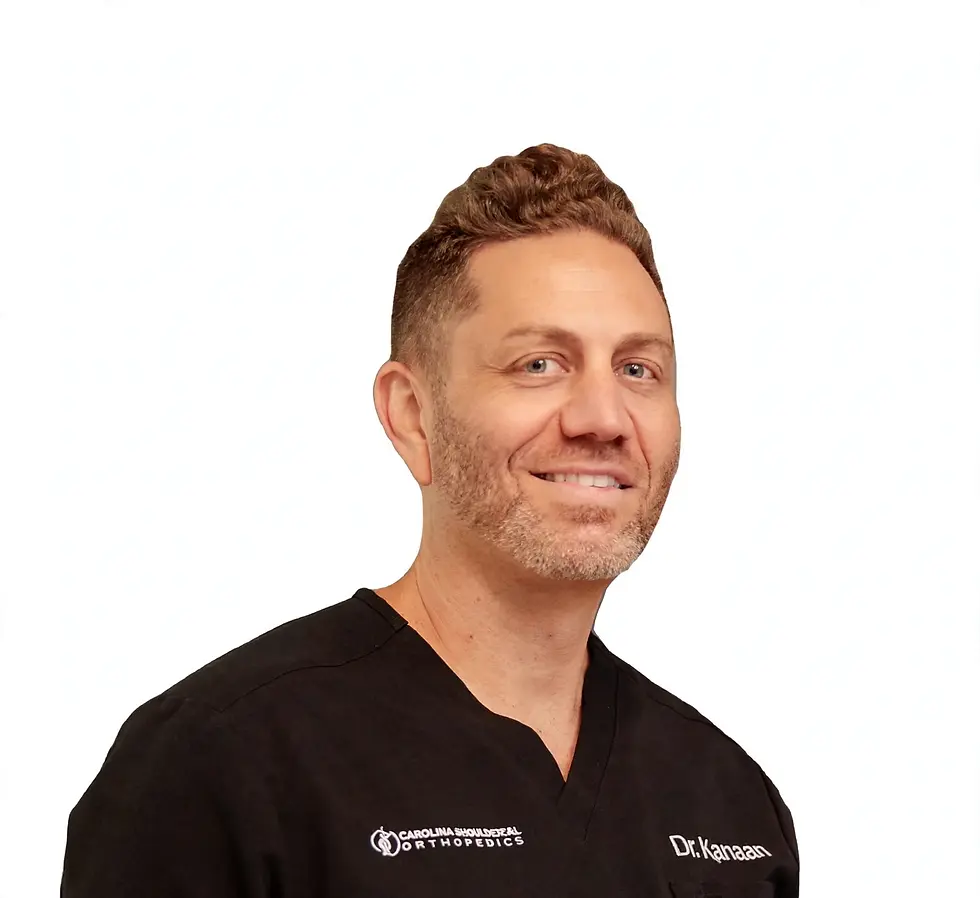
Dr. Matthew Kanaan
Nonsurgical Orthopedic Specialist
Founder of Carolina Nonsurgical Orthopedics. Fellowship trained in sports medicine at Duke; residency in family medicine at Duke, where he served as Chief Resident.
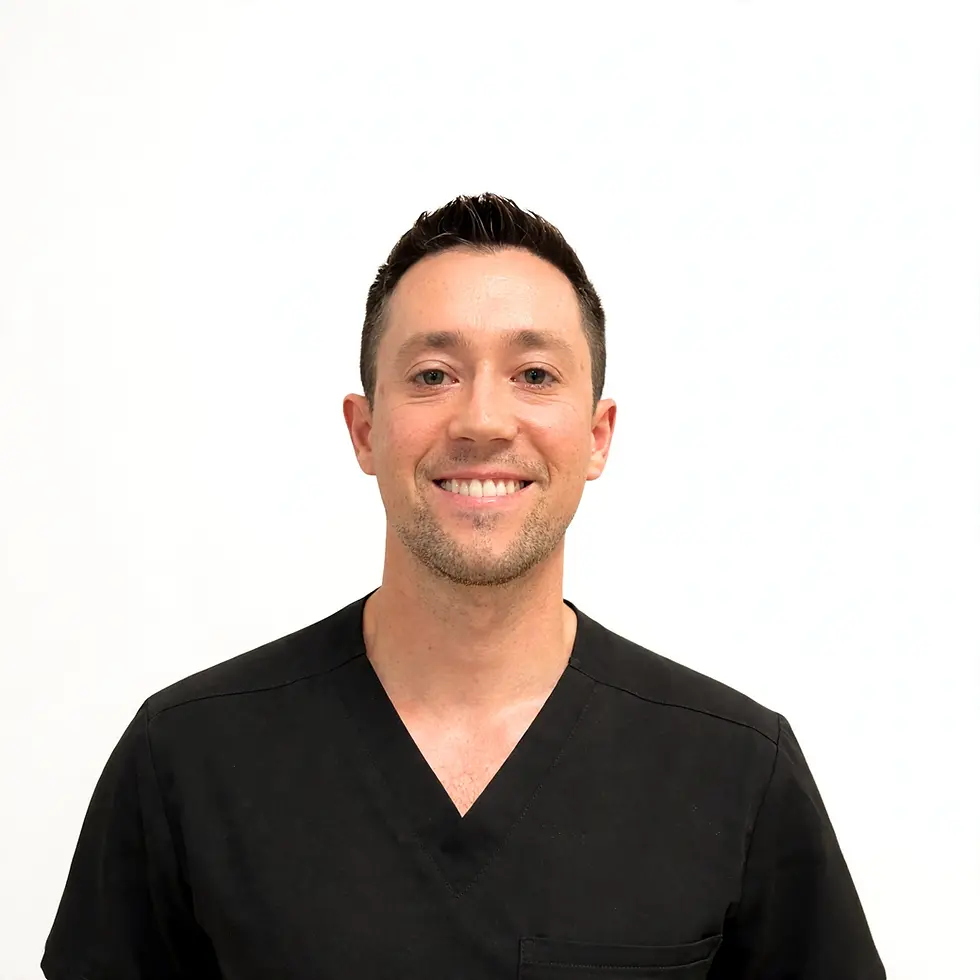
Dr. Pierce Knox
Nonsurgical Orthopedic Specialist
Fellowship trained in nonsurgical sports medicine at Penn Medicine; residency in primary care at Christiana Care.


