
)_edited_pn.png)


PRP vs Cortisone for Knee Arthritis
Updated: Oct 15
Quick answer: This post compares PRP and Cortisone for Knee Arthritis head-to-head — how each works, where the evidence is stronger, and how we choose for patients in Raleigh & Cary. Comparative studies often show stronger early relief with steroid and better later pain and function scores with PRP in selected patients.
Cortisone and PRP are both injected into the knee, but they are used for different reasons. Corticosteroid is an anti-inflammatory medication. PRP is prepared from the patient’s blood and contains concentrated platelets and signaling proteins.
Speed and duration
Cortisone often works faster, sometimes within days. PRP usually has a slower onset, with improvement developing over several weeks in patients who respond. Comparative studies often show stronger early relief with steroid and better later pain and function scores with PRP in selected patients.
Tradeoffs
Steroid injections may temporarily raise blood sugar and repeated use can have effects on cartilage and surrounding tissues. PRP involves a blood draw, is more expensive and may cause a temporary post-injection flare. Neither guarantees improvement.
Which is better?
There is no single answer. A patient with a very inflamed knee and an upcoming event may have different priorities from an active patient with mild to moderate arthritis looking for a non-steroid option.
When to seek care
Persistent pain, progressive weakness, recurrent swelling, locking, inability to bear weight after an injury, or symptoms that limit sleep and daily activity deserve medical evaluation. Treatment is most effective when it is based on a clear diagnosis rather than simply the location of pain.
Related care: PRP for knee arthritis
Carolina Nonsurgical Orthopedics provides physician-led evaluation and nonsurgical treatment for musculoskeletal conditions in Raleigh and Cary, North Carolina. This article is for general education and is not a substitute for an individual medical evaluation.
Related orthopedic resources
A Closer Look at PRP vs Cortisone for Knee Arthritis
Knee conditions can involve cartilage, meniscus, tendons, ligaments, or the joint itself. Symptoms such as swelling, stiffness, pain with stairs, reduced tolerance for walking, or discomfort during exercise can point to different underlying problems, which is why an accurate diagnosis matters before choosing an injection or rehabilitation plan.
Nonsurgical Treatment and PRP for knee in Raleigh & Cary
For persistent knee pain, PRP may be considered when the examination and imaging suggest osteoarthritis, a degenerative tendon problem, or another condition for which a biologic approach is reasonable. Ultrasound guidance can help confirm the target and place treatment accurately while rehabilitation addresses strength, mobility, and mechanics.
At Carolina Nonsurgical Orthopedics, the goal when evaluating knee pain is to match treatment to the specific diagnosis rather than simply treating the location of pain. Patients in Raleigh and Cary may have options that include targeted rehabilitation, activity modification, shockwave therapy, image-guided injections, PRP, or other regenerative approaches depending on the condition and its severity.
Had PRP somewhere else — and it didn't work?
A failed PRP injection doesn't always mean PRP can't help you. The two most common reasons we see when we review outside treatments are dose — many clinics deliver a fraction of the platelet dose used in the studies that showed benefit, and often never measured it — and placement, when the injection was done without ultrasound guidance and never reached the target it was meant for. If your first treatment was underdosed or unguided, having it done properly is a different procedure, not a repeat of the same one. At an evaluation with us, we'll review what was actually done and tell you honestly whether redoing it right makes sense — or whether something else would serve you better.
About Your Physicians
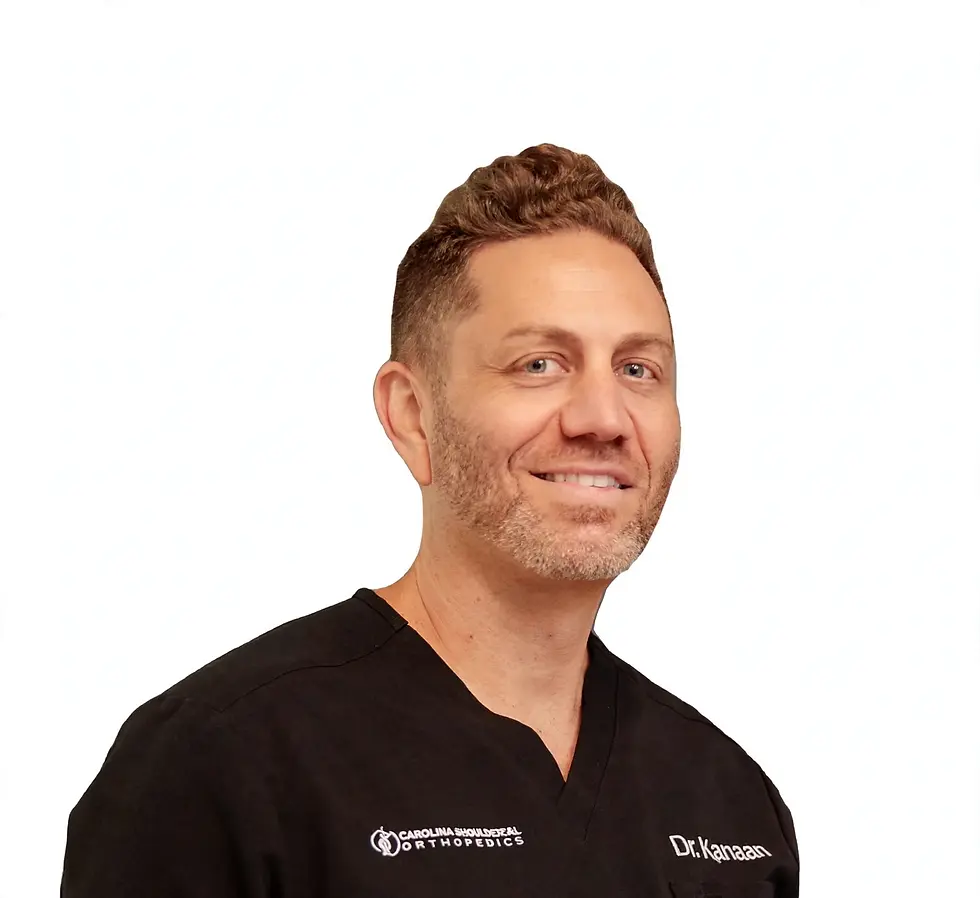
Dr. Matthew Kanaan
Nonsurgical Orthopedic Specialist
Founder of Carolina Nonsurgical Orthopedics. Fellowship trained in sports medicine at Duke; residency in family medicine at Duke, where he served as Chief Resident.
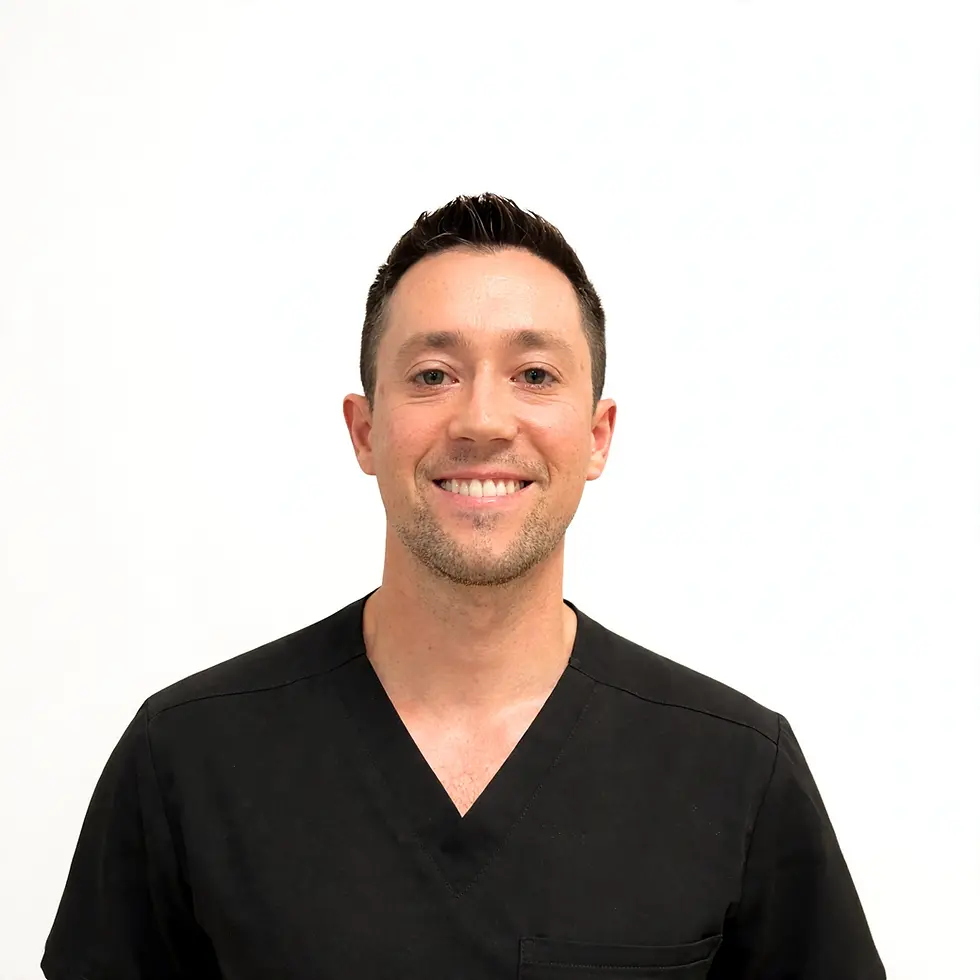
Dr. Pierce Knox
Nonsurgical Orthopedic Specialist
Fellowship trained in nonsurgical sports medicine at Penn Medicine; residency in primary care at Christiana Care.


