
)_edited_pn.png)


PRP vs Cortisone for Knee Arthritis: What Is the Difference?
Updated: 1 day ago
Quick answer: This post compares PRP and Cortisone for Knee Arthritis head-to-head — how each works, where the evidence is stronger, and how we choose for patients in Raleigh & Cary. PRP is commonly considered by patients seeking a biologic nonsurgical option and who are comfortable with a slower treatment timeline.
PRP and cortisone injections are both used for knee pain, but they are not interchangeable. Corticosteroid injections are anti-inflammatory medications commonly used for short-term symptom control. Platelet-rich plasma uses a patient’s own blood components and is used with a different therapeutic goal. Choosing between them depends on the diagnosis, arthritis severity, timing needs, medical history and the patient’s priorities.
How cortisone works
A corticosteroid injection can reduce inflammation and may provide relatively rapid pain relief for some patients. That can be useful during a significant flare or when short-term symptom control is the main goal. The response varies, and relief may be temporary. Frequency and timing should be discussed with a physician because repeated injections are not automatically appropriate for every arthritic knee.
How PRP is different
PRP is prepared from the patient’s blood to concentrate platelets. It is not a steroid and generally is not chosen because it provides immediate numbing or rapid anti-inflammatory relief. Improvement, when it occurs, may take several weeks. PRP is commonly considered by patients seeking a biologic nonsurgical option and who are comfortable with a slower treatment timeline.
Which works faster?
Cortisone often has the advantage when rapid symptom reduction is the priority. PRP commonly requires more patience. That does not mean one is universally better. A patient with an acute inflammatory flare before an important event has a different goal from a patient with chronic arthritis trying to improve longer-term activity tolerance.
Which may last longer?
Duration varies widely for both treatments. Some patients have brief relief from cortisone, while others do well for longer. PRP may provide a more sustained benefit in selected patients, but it is not guaranteed. The quality of evidence, patient selection and PRP preparation all matter when interpreting comparisons.
What about risks and tradeoffs?
Both procedures involve injection-related risks such as pain, bleeding and infection. Corticosteroids can temporarily affect blood sugar and have tissue-related considerations with repeated use. PRP involves a blood draw, usually costs more because it is often not covered by insurance, and can cause temporary post-injection soreness. Individual medical factors should guide the choice.
The diagnosis matters more than the label
Not every painful knee is painful because of arthritis. Meniscus injury, tendon problems, referred pain and other conditions can mimic an arthritic flare. Before choosing PRP or cortisone, the first step is determining what structure is actually generating symptoms and whether an injection is likely to help.
Related orthopedic resources
Had PRP somewhere else — and it didn't work?
A failed PRP injection doesn't always mean PRP can't help you. The two most common reasons we see when we review outside treatments are dose — many clinics deliver a fraction of the platelet dose used in the studies that showed benefit, and often never measured it — and placement, when the injection was done without ultrasound guidance and never reached the target it was meant for. If your first treatment was underdosed or unguided, having it done properly is a different procedure, not a repeat of the same one. At an evaluation with us, we'll review what was actually done and tell you honestly whether redoing it right makes sense — or whether something else would serve you better.
About Your Physicians

Dr. Matthew Kanaan
Nonsurgical Orthopedic Specialist
Founder of Carolina Nonsurgical Orthopedics. Fellowship trained in sports medicine at Duke; residency in family medicine at Duke, where he served as Chief Resident.
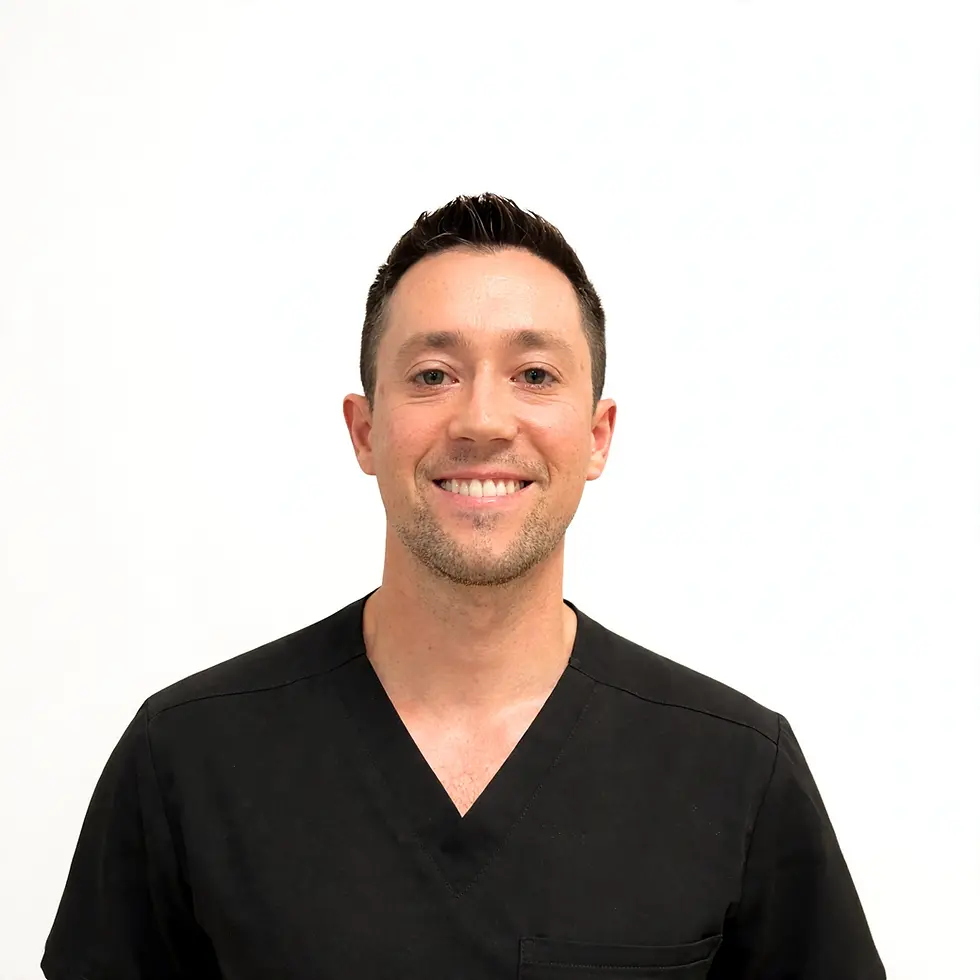
Dr. Pierce Knox
Nonsurgical Orthopedic Specialist
Fellowship trained in nonsurgical sports medicine at Penn Medicine; residency in primary care at Christiana Care.


