
)_edited_pn.png)


Gel Injections for Knee Arthritis: Benefits, Duration and PRP Comparison
Updated: Oct 15
Quick answer: PRP (platelet-rich plasma) is a concentrated injection of platelets from your own blood, placed under ultrasound guidance. At our Raleigh & Cary offices it is a cash-pay, nonsurgical treatment, and candidacy and exact pricing are reviewed at the evaluation, before you commit. Many comparative studies and meta-analyses report that PRP can outperform hyaluronic acid on pain and function measures at later follow-up in selected patients.
PRP and hyaluronic acid are common injection options for knee osteoarthritis. Hyaluronic acid acts primarily as a viscoelastic lubricant and may influence joint inflammation. PRP is created from the patient’s blood and provides concentrated platelets and biologic signaling molecules.
What research suggests
Many comparative studies and meta-analyses report that PRP can outperform hyaluronic acid on pain and function measures at later follow-up in selected patients. That does not mean PRP is always the right choice or that gel injections do not work.
Choosing between them
Hyaluronic acid may appeal to patients who want a non-steroid injection, prefer a lower-cost option or have responded well before. PRP is commonly considered in active patients with mild to moderate osteoarthritis who have not obtained enough relief from simpler measures.
Combining options
Some physicians use PRP and hyaluronic acid together in selected patients, although the ideal combination protocol is still being studied. The first step is confirming that arthritis is actually the main source of pain.
When to seek care
Persistent pain, progressive weakness, recurrent swelling, locking, inability to bear weight after an injury, or symptoms that limit sleep and daily activity deserve medical evaluation. Treatment is most effective when it is based on a clear diagnosis rather than simply the location of pain.
Related care: gel injections for knee arthritis
Carolina Nonsurgical Orthopedics provides physician-led evaluation and nonsurgical treatment for musculoskeletal conditions in Raleigh and Cary, North Carolina. This article is for general education and is not a substitute for an individual medical evaluation.
Related orthopedic resources
Had PRP somewhere else — and it didn't work?
A failed PRP injection doesn't always mean PRP can't help you. The two most common reasons we see when we review outside treatments are dose — many clinics deliver a fraction of the platelet dose used in the studies that showed benefit, and often never measured it — and placement, when the injection was done without ultrasound guidance and never reached the target it was meant for. If your first treatment was underdosed or unguided, having it done properly is a different procedure, not a repeat of the same one. At an evaluation with us, we'll review what was actually done and tell you honestly whether redoing it right makes sense — or whether something else would serve you better.
About Your Physicians
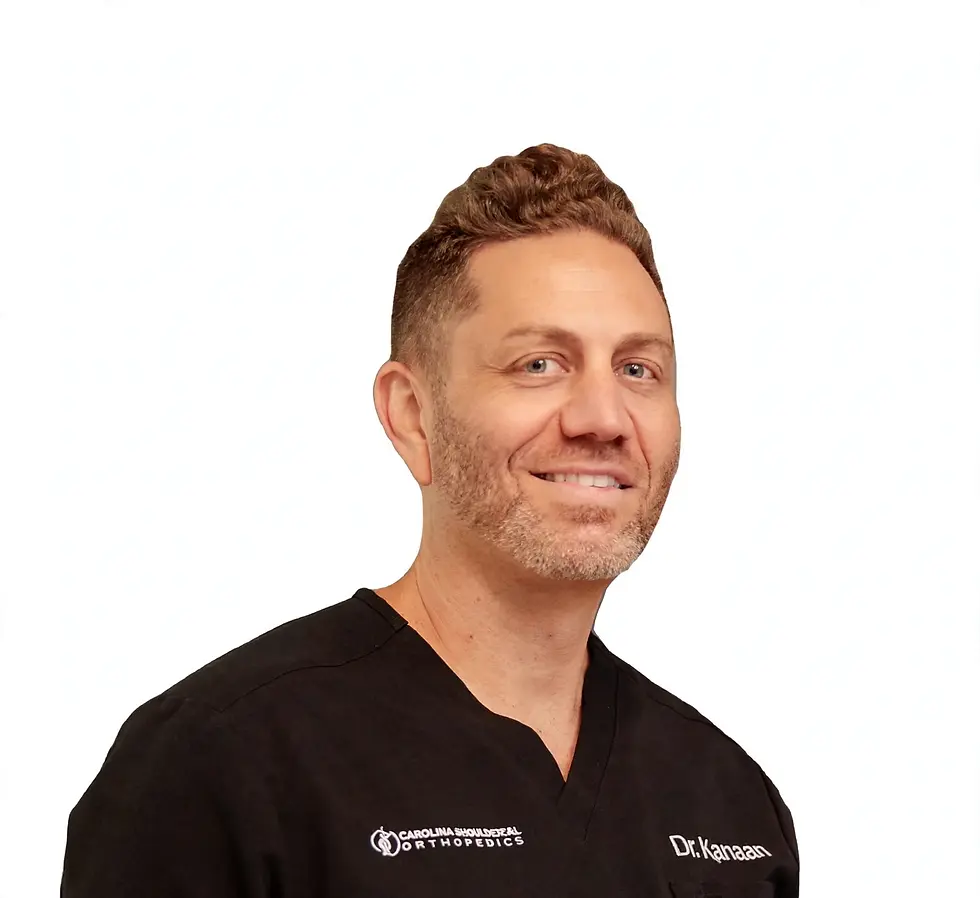
Dr. Matthew Kanaan
Nonsurgical Orthopedic Specialist
Founder of Carolina Nonsurgical Orthopedics. Fellowship trained in sports medicine at Duke; residency in family medicine at Duke, where he served as Chief Resident.
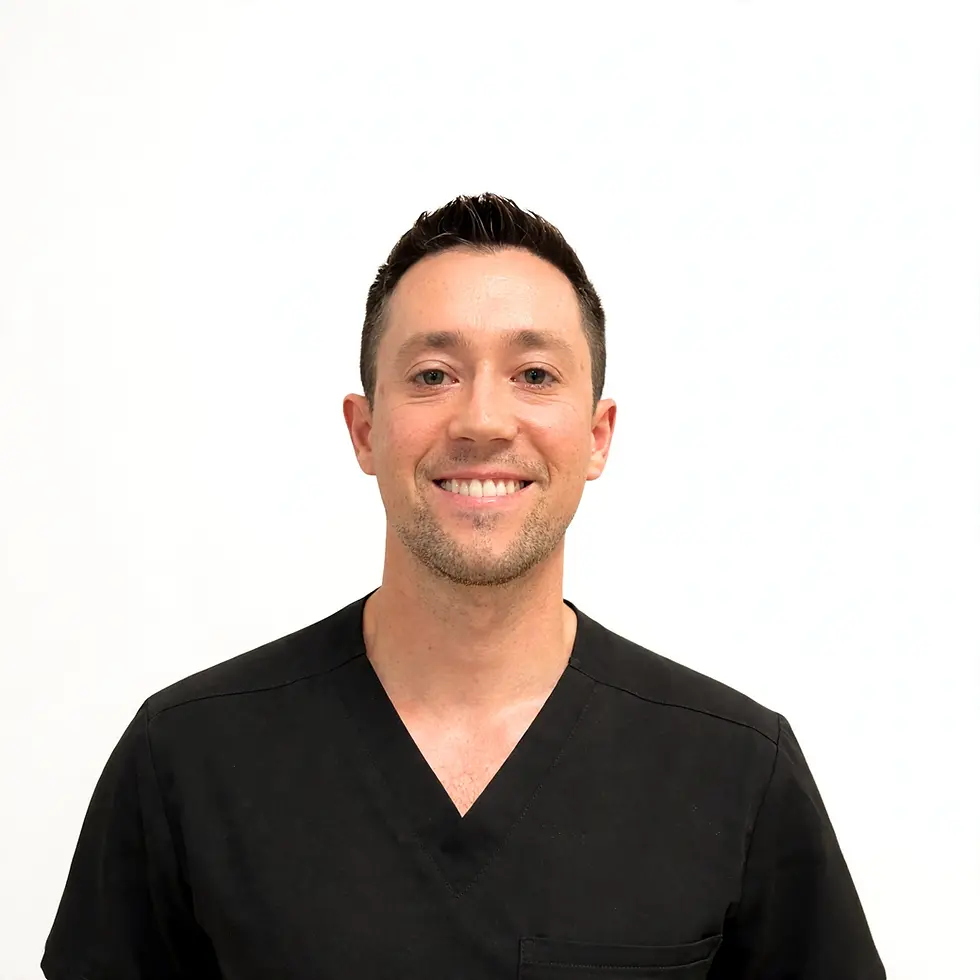
Dr. Pierce Knox
Nonsurgical Orthopedic Specialist
Fellowship trained in nonsurgical sports medicine at Penn Medicine; residency in primary care at Christiana Care.


