
)_edited_pn.png)


When Should You See a Nonsurgical Orthopedic Physician?
Updated: Oct 14
Quick answer: The nonsurgical path starts with an accurate diagnosis, then activity changes, therapy, and — when appropriate — image-guided treatment, with surgery considered only when conservative care isn't enough. That is the approach we take at Carolina Nonsurgical Orthopedics in Raleigh & Cary. Care may include therapy guidance, activity modification, bracing, medications, shockwave, image-guided injections or PRP.
Many musculoskeletal problems can be diagnosed and treated without surgery. Sports medicine and nonsurgical orthopedic physicians focus on joint, tendon, muscle and nerve conditions using examination, imaging, rehabilitation and image-guided procedures.
Reasons to make an appointment
Consider evaluation when pain lasts more than a few weeks, keeps returning, limits exercise or sleep, follows an injury, causes swelling or weakness, or has not improved with basic home care. Earlier evaluation is appropriate for severe symptoms.
What happens at the visit
A thorough visit should begin with history and examination rather than a procedure recommendation. X-rays or ultrasound may be performed when useful, and MRI can be ordered if needed.
Treatment and red flags
Care may include therapy guidance, activity modification, bracing, medications, shockwave, image-guided injections or PRP. Suspected fracture, infection, major tendon rupture, progressive neurologic weakness or inability to bear weight after significant trauma deserves urgent evaluation.
When to seek care
Persistent pain, progressive weakness, recurrent swelling, locking, inability to bear weight after an injury, or symptoms that limit sleep and daily activity deserve medical evaluation. Treatment is most effective when it is based on a clear diagnosis rather than simply the location of pain.
Related care: nonsurgical orthopedics
Carolina Nonsurgical Orthopedics provides physician-led evaluation and nonsurgical treatment for musculoskeletal conditions in Raleigh and Cary, North Carolina. This article is for general education and is not a substitute for an individual medical evaluation.
Related orthopedic resources
A Closer Look at When Should You See a Nonsurgical Orthopedic Physician?
When Should You See a Nonsurgical Orthopedic Physician? can remain symptomatic when the involved tissue has not recovered with time, activity modification, and basic conservative care. A focused musculoskeletal examination helps determine whether pain is arising from a tendon, ligament, joint, cartilage surface, or another structure rather than treating the diagnosis as a generic pain complaint.
Nonsurgical Treatment and PRP for condition in Raleigh & Cary
For patients in Raleigh and Cary with persistent When Should You See a Nonsurgical Orthopedic Physician?, PRP may be considered when the diagnosis and tissue involved make regenerative treatment appropriate. Image guidance can improve treatment precision, while rehabilitation and a gradual return to activity remain important parts of a comprehensive nonsurgical plan.
At Carolina Nonsurgical Orthopedics, the goal when evaluating musculoskeletal pain is to match treatment to the specific diagnosis rather than simply treating the location of pain. Patients in Raleigh and Cary may have options that include targeted rehabilitation, activity modification, shockwave therapy, image-guided injections, PRP, or other regenerative approaches depending on the condition and its severity.
About Your Physicians
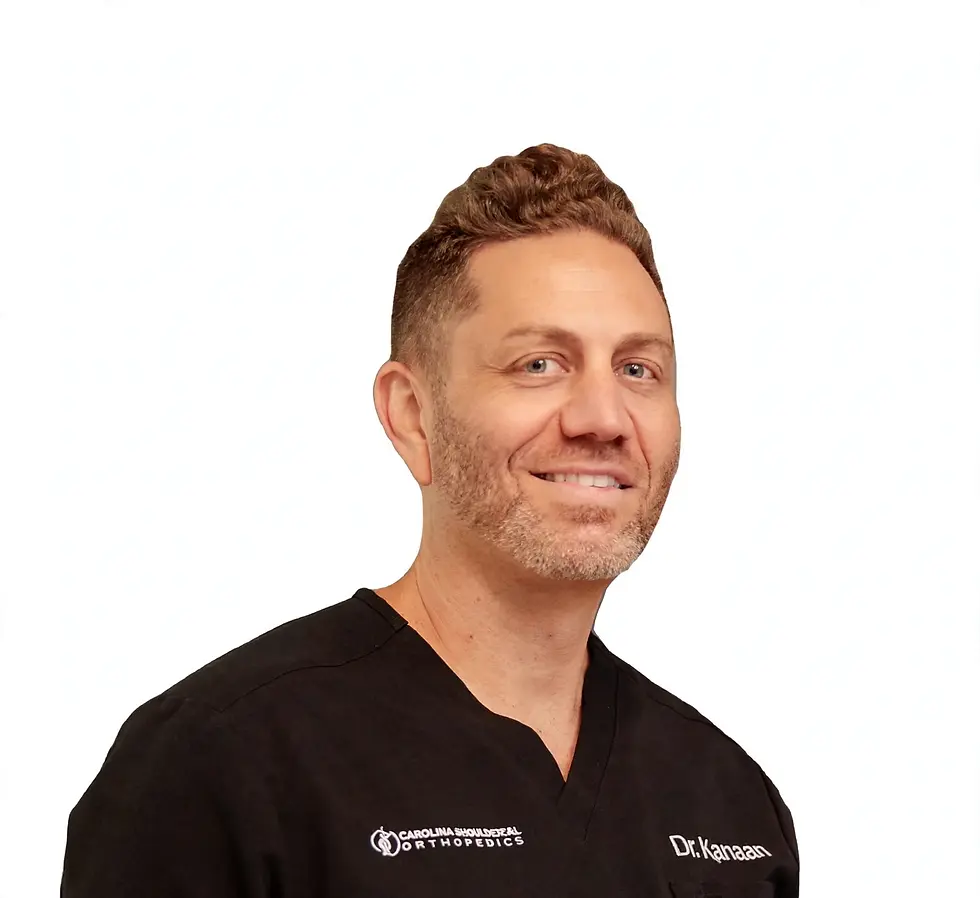
Dr. Matthew Kanaan
Nonsurgical Orthopedic Specialist
Founder of Carolina Nonsurgical Orthopedics. Fellowship trained in sports medicine at Duke; residency in family medicine at Duke, where he served as Chief Resident.
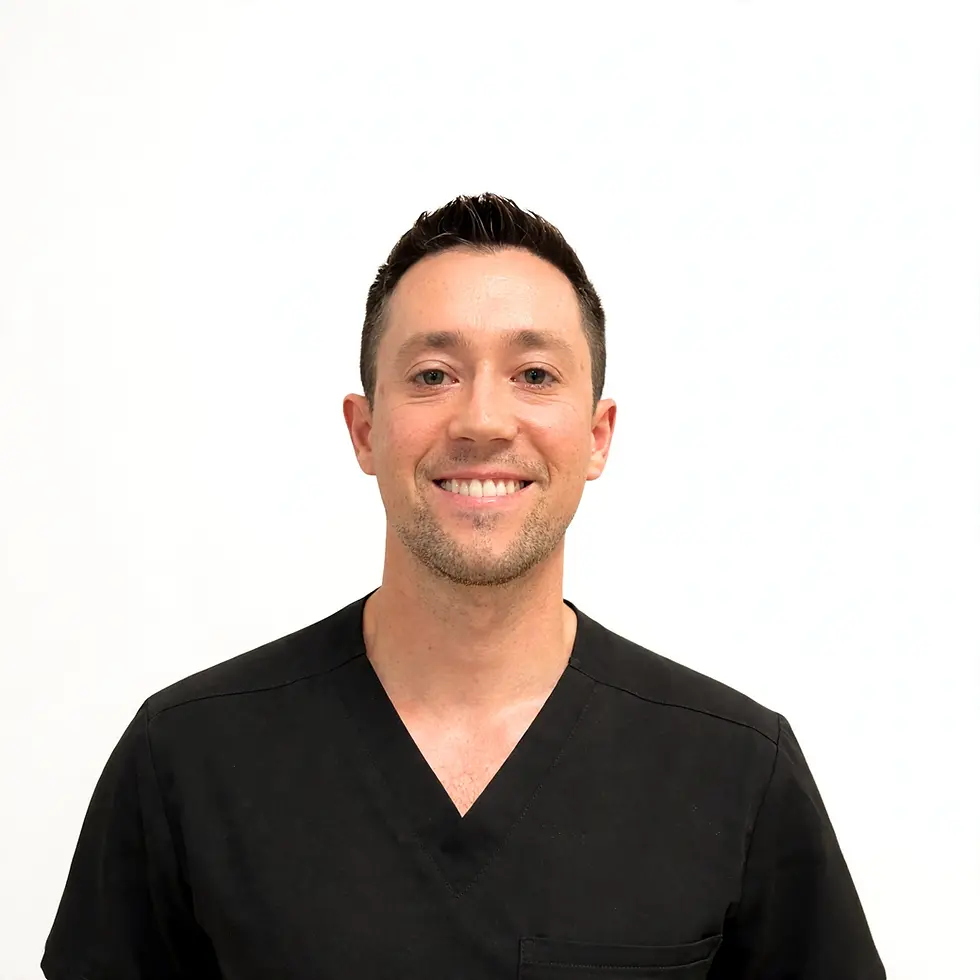
Dr. Pierce Knox
Nonsurgical Orthopedic Specialist
Fellowship trained in nonsurgical sports medicine at Penn Medicine; residency in primary care at Christiana Care.


