
)_edited_pn.png)


The Cortisone Trap: Why We Limit Steroid Shots
Updated: Oct 14
Quick answer: Platelet-rich plasma (PRP) is an innovative treatment that uses components of your own blood to help support the body's natural healing response. We have used steroid injections in medicine for many decades to decrease the pain of arthritis and inflammation in soft tissue.
By: Dr. Matthew Kanaan

The Problem
We have used steroid injections in medicine for many decades to decrease the pain of arthritis and inflammation in soft tissue. They can provide meaningful short-term relief, but pain relief does not necessarily mean that the underlying problem is healing.
Research has raised concerns about the effects of repeated corticosteroid injections in the same area. Depending on the location, dosage, and frequency of treatment, repeated injections may adversely affect cartilage, tendons, ligaments, and other healthy tissues. In certain circumstances, they may contribute to tissue weakening or damage and potentially worsen the underlying problem over time.
So why are steroid injections still so widely used? They are familiar, relatively inexpensive, and often effective for short-term symptom relief. However, they are not the ideal long-term solution for every patient, particularly when preserving healthy tissue and supporting the body's natural healing processes are priorities.
A Possible Solution: Platelet-Rich Plasma (PRP)
Platelet-rich plasma (PRP) is an innovative treatment that uses components of your own blood to help support the body's natural healing response. Over the past 15 years, PRP has gained considerable attention in sports medicine, orthopedics, and musculoskeletal care, including its use among professional and collegiate athletes.
Platelets are best known for their role in blood clotting, but they also contain growth factors and other signaling proteins involved in tissue repair. PRP concentrates platelets from a patient's blood and delivers them to a targeted area, such as an arthritic joint, an injured tendon, or inflamed soft tissue.
Clinical research suggests that PRP can provide meaningful pain relief and functional improvement for certain conditions. In some studies, particularly those involving knee osteoarthritis, PRP has provided more durable improvement than corticosteroid injections or hyaluronic acid (viscosupplementation, commonly called gel shots). However, results vary by condition, treatment protocol, and patient, and PRP is not guaranteed to work for everyone.
One important distinction is that PRP is intended to support the body's healing response rather than simply suppress inflammation. For appropriately selected patients, it may offer an appealing alternative to repeated steroid injections.
How Is PRP Performed?
PRP treatment begins with a simple blood draw, similar to having routine laboratory work performed. The process takes place in our office, and the PRP is prepared and administered during the same visit (usually taking no more than about 30 minutes).
The procedure generally involves the following steps:
Blood collection: A small amount of your blood is drawn into a specialized collection tube containing an appropriate anticoagulant.
Centrifugation: The blood is placed in a centrifuge, which spins at carefully selected speeds to separate its components. This allows the platelet-containing portion of the blood to be concentrated and separated from much of the red blood cells and other components.
PRP preparation: The platelet-rich portion is collected and prepared for treatment. The final product depends on the collection system, centrifugation protocol, and preparation technique. The platelet concentration and total number of platelets delivered can vary substantially between systems and providers. At our clinic we specialize in high-dose PRP (we have spent years mastering our protocol to optimize platelet counts).
Targeted injection: The prepared PRP is injected into the affected joint or soft tissue under ultrasound guidance to improve accuracy.
After the procedure, patients may experience some temporary soreness or increased discomfort as part of the post-injection response. Recovery instructions and the timeline for returning to exercise or other activities depend on the condition being treated, but generally we ask patients to wait about a week before resuming normal activiites.
PRP Quality Matters: Not All PRP Is the Same
One of the most important—and frequently overlooked—aspects of PRP treatment is the quality of the product being injected. Two patients receiving treatments called PRP may receive preparations that differ considerably in platelet concentration, total platelet dose, white blood cell content, and other characteristics.
A high-quality PRP treatment should be about more than simply drawing blood, spinning it in a centrifuge, and performing an injection. The preparation method, the characteristics of the final product, and the physician's understanding of the condition being treated all deserve careful consideration.
What Does the Research Show?
Clinical studies comparing PRP with corticosteroid injections and hyaluronic acid/gel injections have reported encouraging results, particularly for certain types of osteoarthritis and chronic musculoskeletal pain.
In some studies, corticosteroids have provided faster initial pain relief, while PRP has been associated with more sustained improvements in pain and function over subsequent months. PRP is not a guaranteed cure, and the evidence does not establish that it is superior to every alternative for every condition. It does, however, offer a promising option for selected patients who want to explore treatments beyond repeated injections aimed primarily at reducing inflammation.
As with any medical treatment, an individualized evaluation is essential to determine whether PRP is appropriate and what results can reasonably be expected.
Is PRP Covered by Insurance?
PRP injections are generally not covered by most health insurance plans and are often considered an out-of-pocket treatment. An initial consultation with our physicians may be covered by insurance, as may medically indicated imaging, depending on your plan and the services provided. Our team can help clarify potential costs and coverage before treatment.
Learn More About the Research
You can read more about the above research by searching the following information online
Schedule a Consultation
At Carolina Nonsurgical Orthopedics, we specialize in minimally intrusive and nonsurgical orthopedic treatments. With this mindset, we are able to treat a majority of sports injuries with our expertise, incredible technology, and dedication to our patients’ long-term health. To learn more, check out the services listed on our homepage, give us a call at our orthopedic clinic in Raleigh, NC at (919) 719-2270, or schedule your consultation today!
Related orthopedic resources
About Your Physicians
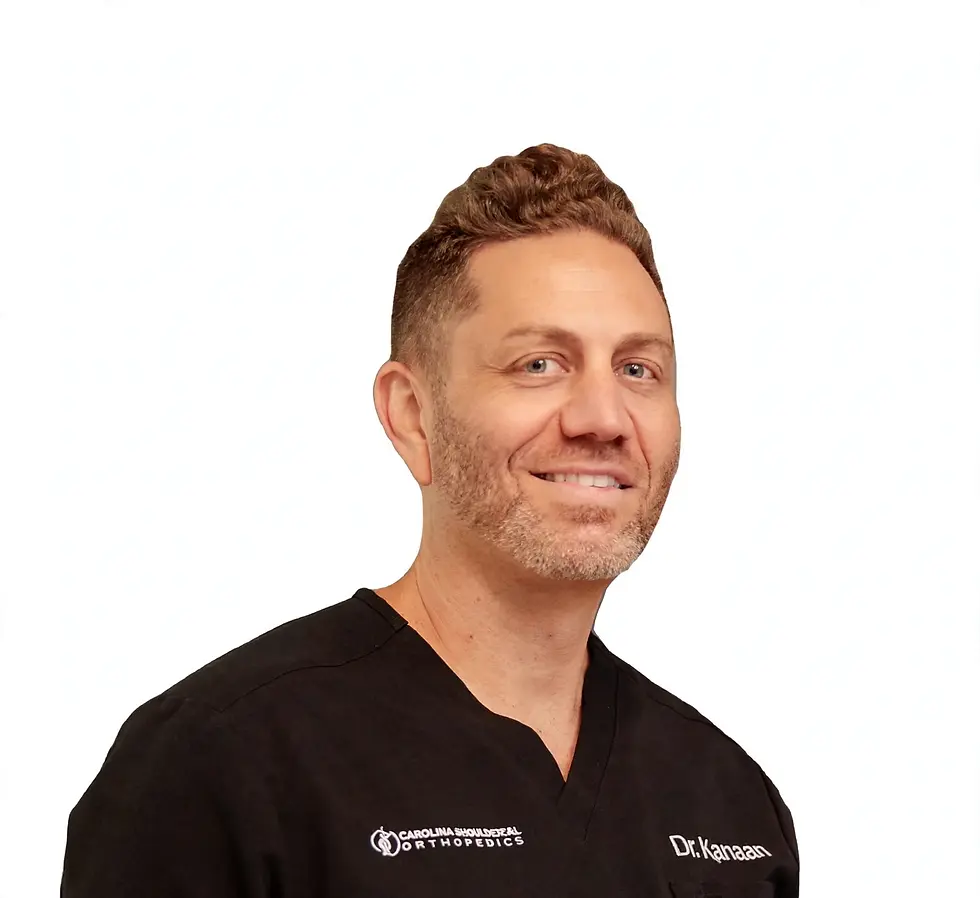
Dr. Matthew Kanaan
Nonsurgical Orthopedic Specialist
Founder of Carolina Nonsurgical Orthopedics. Fellowship trained in sports medicine at Duke; residency in family medicine at Duke, where he served as Chief Resident.
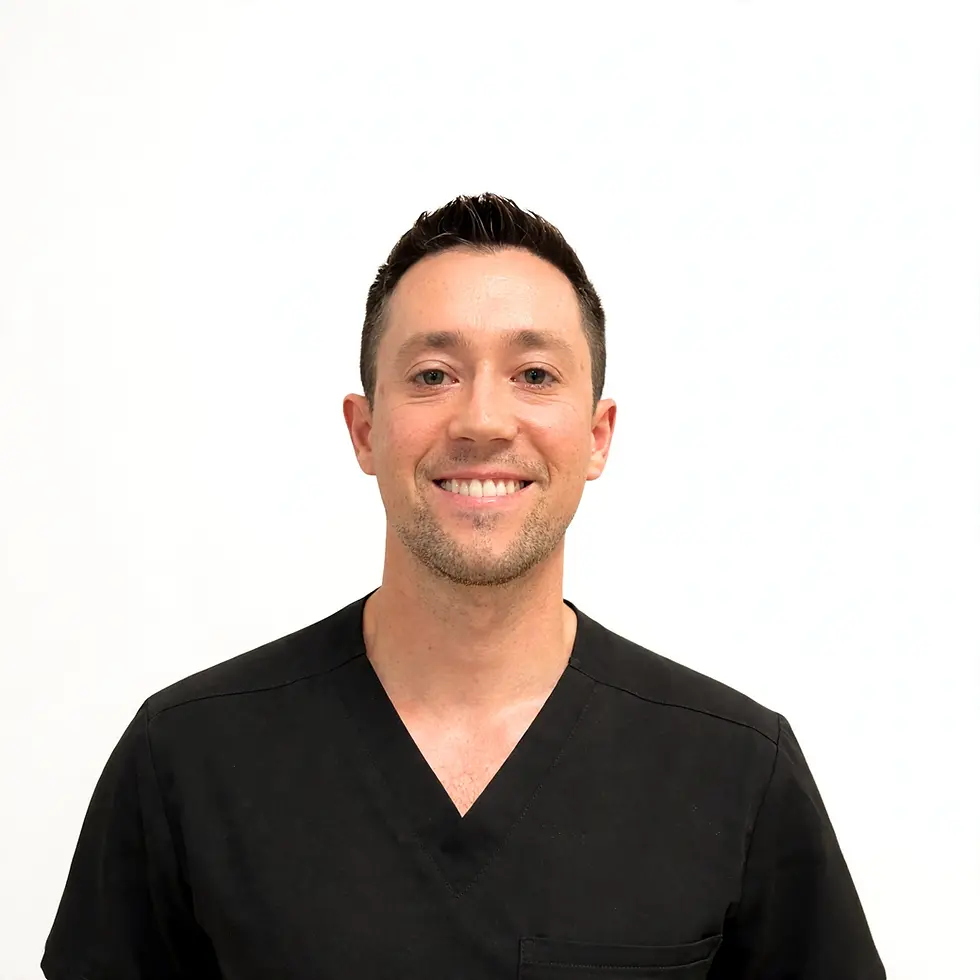
Dr. Pierce Knox
Nonsurgical Orthopedic Specialist
Fellowship trained in nonsurgical sports medicine at Penn Medicine; residency in primary care at Christiana Care.


