.png)
)_edited_pn.png)


Beware of "Franchise" & "Cookie Cutter" Regenerative Medicine Clinics: What Every Patient Should Know
Updated: Oct 13

Regenerative medicine has become one of the fastest-growing areas in healthcare. Treatments such as platelet-rich plasma (PRP), ultrasound-guided injections, shockwave therapy, and other nonsurgical options can be valuable tools for the right patient. Unfortunately, the rapid growth of the field has also attracted businesses whose primary goal is selling high-priced treatment packages rather than practicing individualized medicine. As a patient, it's important to know the difference.
Who Owns the Clinic?
One of the first questions you should ask is:
"Is this clinic owned and directed by physicians, or by investors and business executives?"
Many regenerative medicine franchises are owned by non-physician business groups. While there is nothing inherently wrong with professional management, patients should understand that the financial goals of investors may differ from the clinical goals of physicians. When business models prioritize maximizing revenue, there can be pressure to standardize treatment plans that are designed to increase sales rather than tailor care to the individual patient.
Beware of Cookie-Cutter Treatment Plans & Heavy "Sales Pitches"
Every knee pain is not the same.
Every shoulder injury is not the same.
Every patient deserves an evaluation based on their unique diagnosis.
If every patient seems to receive the same recommendation regardless of age, imaging findings, activity level, or previous treatment, that should raise questions.
Examples may include:
Recommending expensive "stem cell" procedures to nearly everyone.
Suggesting unloader braces regardless of the underlying problem.
Selling large treatment packages before a complete evaluation.
Using scripted FREE consultations that follow the same pathway for every patient.
Good medicine should be individualized—not based on a sales algorithm.
Credentials Matter- Are the Doctors Sports Medicine or Orthopedic Trained in any way?
Regenerative medicine is not a medical specialty by itself.
Ask who is actually evaluating and treating you.
Questions worth asking include:
Is the physician board certified?
Have they completed a sports medicine or orthopedic-related fellowship?
How much experience do they have treating musculoskeletal conditions?
Will the physician personally perform my procedure?
Many providers practicing regenerative medicine come from excellent orthopedic, sports medicine, PM&R, or rheumatology backgrounds. Others may have little formal musculoskeletal training before entering the field.
Training and experience matter.
Be Careful With the Term "Stem Cells"
The phrase "stem cell therapy" is frequently used in marketing.
In reality, many clinics are injecting products that contain very few—or no—living stem cells.
Patients should ask:
What exactly is being injected?
Where does it come from?
What scientific evidence supports its use for my condition?
Is this FDA-regulated?
What outcomes should I realistically expect?
If the explanation relies more on marketing than science, ask more questions.
Does Everyone Really Need an Expensive Brace?
Unloader knee braces can be very effective for carefully selected patients with knee arthritis.
However, they are not appropriate for every patient with knee pain.
A recommendation for an expensive brace should come after:
A careful history
A physical examination
Review of X-rays or MRI
Discussion of all available treatment options
If every patient with knee pain is encouraged to purchase the same brace, it's reasonable to ask why.
Beware of "FREE CONSULTS". Most legitimate clinics do not offer free consults. That is usually a sales pitch to get customers in the door.
Many regenerative medicine clinics operate on a cash-only model.
Cash services certainly have a place, especially for treatments that insurance does not cover.
However, patients should be cautious if they are never offered covered services that may be appropriate, such as:
Office visits
Diagnostic ultrasound
Image-guided corticosteroid injections
Physical therapy referrals
Standard orthopedic care
A practice should recommend the treatment that is best for the patient—not simply the treatment with the highest cash price.
A Good Regenerative Medicine Physician Should...
A reputable regenerative medicine practice should:
Start with an accurate diagnosis.
Explain all reasonable treatment options.
Discuss the benefits and limitations of regenerative procedures.
Review the available scientific evidence.
Never pressure patients into same-day decisions.
Customize treatment to the individual—not the business model.
Sometimes regenerative medicine is the best option. Sometimes physical therapy is. Sometimes an injection is appropriate. Sometimes surgery is the right answer. The goal should always be finding the treatment that fits the patient—not fitting every patient into the same treatment package.
Questions to Ask Before Choosing a Clinic
Before committing to expensive regenerative treatments, consider asking:
Who owns the practice?
What is the physician's specialty and fellowship training?
How many years have they treated orthopedic and sports medicine conditions?
Will the physician personally perform the procedure?
Are treatments individualized or standardized?
What are my non-regenerative options?
What evidence supports the treatment being recommended?
Why is this the best option for my specific diagnosis?
The Bottom Line
Regenerative medicine has tremendous potential when practiced responsibly by experienced physicians who focus on accurate diagnosis and individualized care.
Patients should seek providers who prioritize education, transparency, and evidence-based recommendations rather than sales quotas or one-size-fits-all treatment pathways.
Your treatment plan should be built around your diagnosis, your goals, and your lifestyle—not around a predetermined sales package.
Orthopedic care in Cary, NC
For patients closer to Cary, see our Cary orthopedic office and our Cary PRP guide for location-specific information and related treatment options.
About Your Physicians
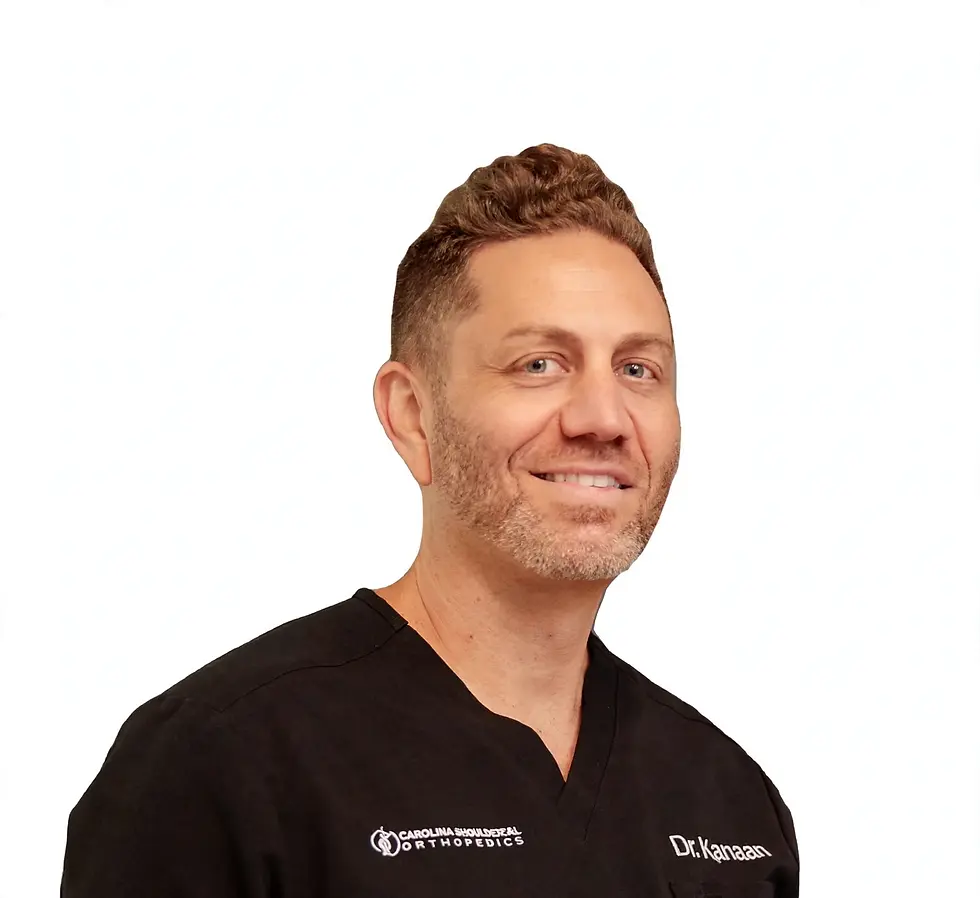
Dr. Matthew Kanaan
Nonsurgical Orthopedic Specialist
Founder of Carolina Nonsurgical Orthopedics. Fellowship trained in sports medicine at Duke; residency in family medicine at Duke, where he served as Chief Resident.
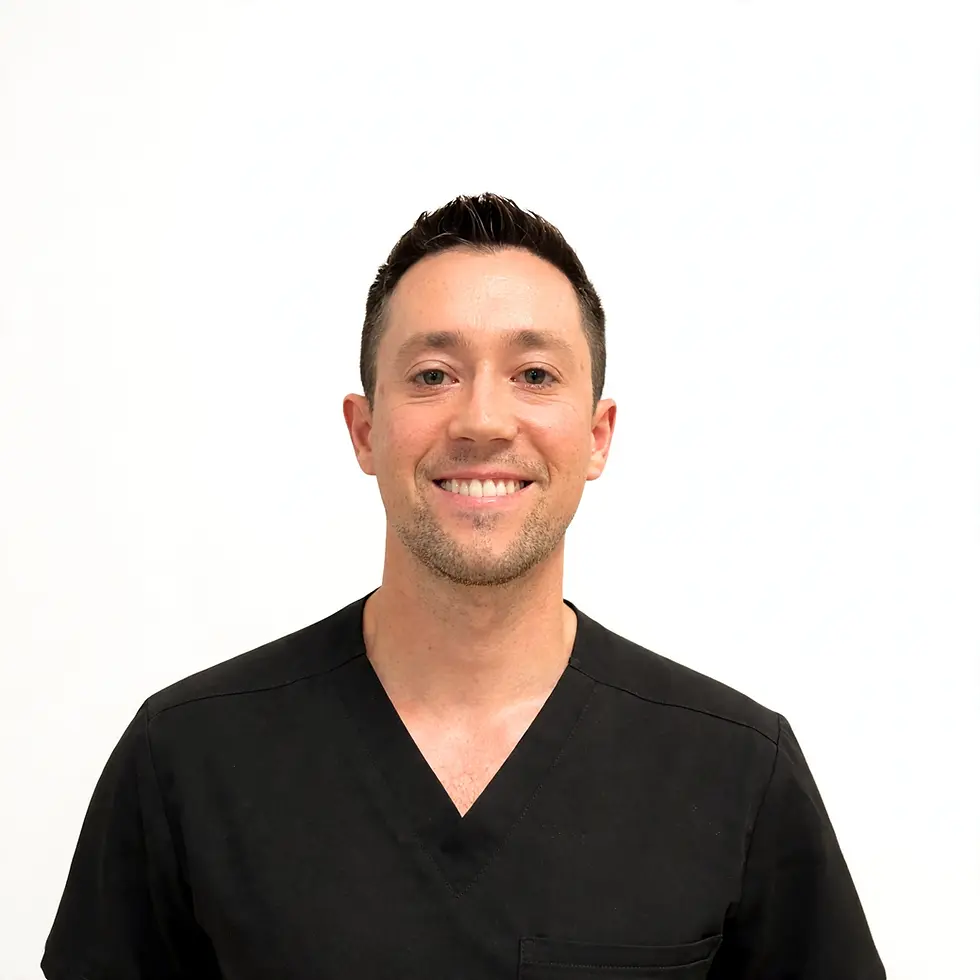
Dr. Pierce Knox
Nonsurgical Orthopedic Specialist
Fellowship trained in nonsurgical sports medicine at Penn Medicine; residency in primary care at Christiana Care.


