
)_edited_pn.png)


Can PRP Help a Meniscus Tear?
Updated: 1 day ago
Quick answer: PRP (platelet-rich plasma) is a concentrated injection of platelets from your own blood, placed under ultrasound guidance. At our Raleigh & Cary offices it is a cash-pay, nonsurgical treatment, and candidacy and exact pricing are reviewed at the evaluation, before you commit. PRP may be considered for selected patients with persistent symptoms when the physician believes the meniscus or associated joint environment is contributing to pain.
A meniscus tear on an MRI does not automatically mean surgery, and it also does not automatically mean PRP is the answer. Meniscus tears vary by location, pattern, age of the injury and whether arthritis is also present. Many degenerative tears can improve with nonsurgical care, while certain displaced or mechanically unstable tears may require surgical evaluation. PRP may be considered in selected cases, but the treatment plan should begin with the type of tear and the patient’s symptoms.
Why meniscus tears are not all the same
The meniscus is a fibrocartilage structure that helps distribute load in the knee. Tears can be traumatic or degenerative, small or complex, stable or displaced. Blood supply is better near the outer portion of the meniscus and limited toward the inner portion. These differences matter when discussing healing potential and treatment expectations.
Does every MRI tear cause pain?
No. Meniscus abnormalities become more common with age and may coexist with knee arthritis. A patient can have a tear on MRI while the main pain generator is osteoarthritis, bone stress, synovitis or another structure. Examination and symptom pattern help determine whether the MRI finding is clinically important.
Where might PRP fit?
PRP may be considered for selected patients with persistent symptoms when the physician believes the meniscus or associated joint environment is contributing to pain. The injection target and technique depend on the specific problem. Evidence is not strong enough to promise that PRP will structurally heal every meniscus tear, so expectations should focus on symptoms and function.
What should usually be tried first?
Activity modification, progressive strengthening, mobility work and treatment of contributing biomechanics are common nonsurgical steps. Arthritis management may also be important when degenerative meniscus tearing is part of a broader arthritic knee. An injection should complement a good rehabilitation plan rather than replace it.
When is surgery more likely to be needed?
A locked knee, a displaced tear causing a true mechanical block, certain acute traumatic tears in younger patients, or persistent disabling symptoms despite appropriate nonsurgical care can justify surgical consultation. PRP should not delay evaluation of a problem that is mechanically unstable or clearly surgical.
The practical question to ask
Instead of asking only whether PRP can heal a meniscus, ask what is actually causing the pain and what outcome matters. If the goal is to walk, exercise or return to sport with less pain, a physician can build a plan around that goal and decide whether PRP has a reasonable role.
Related orthopedic resources
Had PRP somewhere else — and it didn't work?
A failed PRP injection doesn't always mean PRP can't help you. The two most common reasons we see when we review outside treatments are dose — many clinics deliver a fraction of the platelet dose used in the studies that showed benefit, and often never measured it — and placement, when the injection was done without ultrasound guidance and never reached the target it was meant for. If your first treatment was underdosed or unguided, having it done properly is a different procedure, not a repeat of the same one. At an evaluation with us, we'll review what was actually done and tell you honestly whether redoing it right makes sense — or whether something else would serve you better.
About Your Physicians
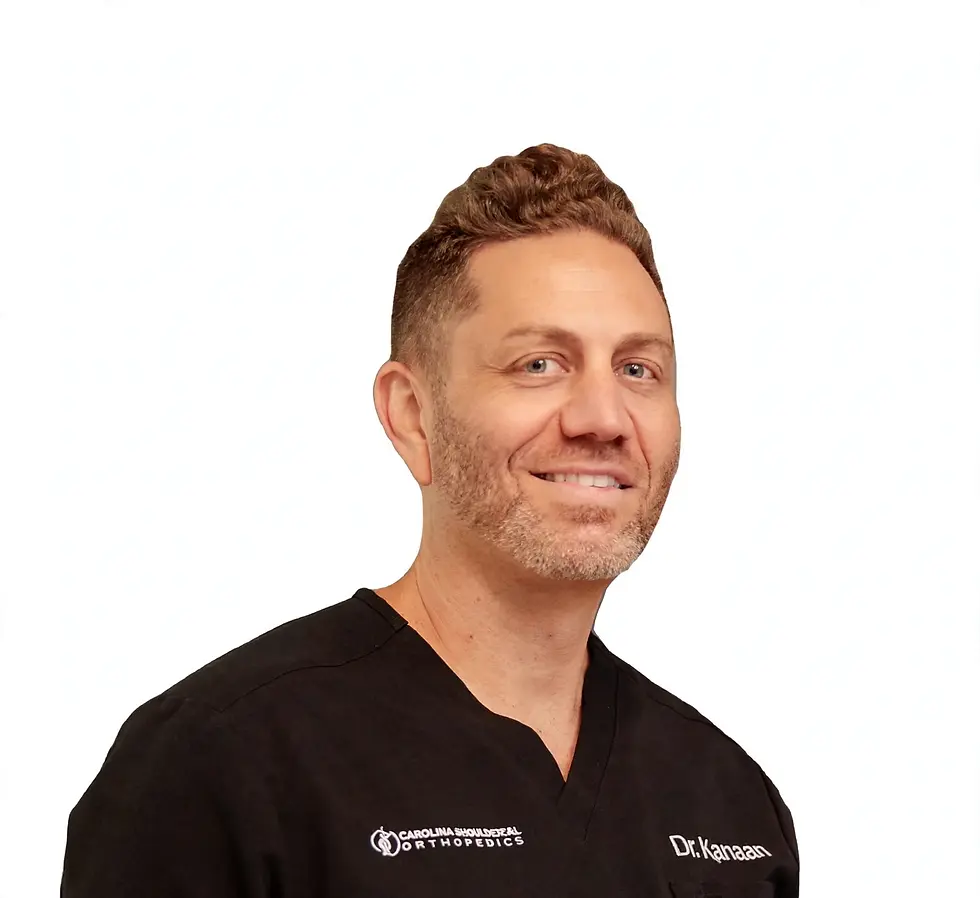
Dr. Matthew Kanaan
Nonsurgical Orthopedic Specialist
Founder of Carolina Nonsurgical Orthopedics. Fellowship trained in sports medicine at Duke; residency in family medicine at Duke, where he served as Chief Resident.
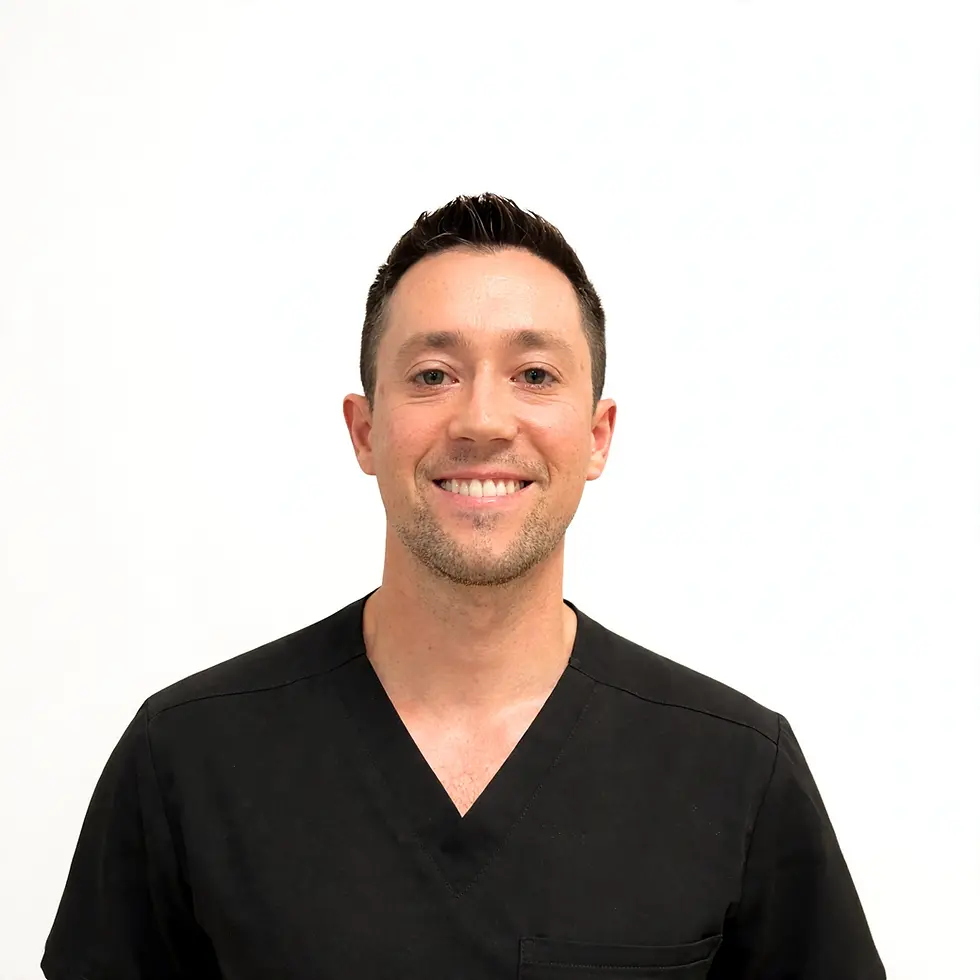
Dr. Pierce Knox
Nonsurgical Orthopedic Specialist
Fellowship trained in nonsurgical sports medicine at Penn Medicine; residency in primary care at Christiana Care.


