


Eating for Joint Health: Nutrition That Fights Inflammation
Updated: Oct 14
Quick answer: Patients ask us almost every week whether changing how they eat can help their arthritis. Of all the ways of eating studied for joint health, the Mediterranean-style pattern has the most consistent evidence — including for rheumatoid arthritis and osteoarthritis symptoms.
Patients ask us some version of this question almost every week: "Is there anything I can eat — or stop eating — that will help my arthritis?" It's a fair question, and the honest answer has two parts. Yes: diet genuinely matters for joint health. And no: food is not a cure for arthritis. This guide covers the eating patterns and nutrients with the best evidence behind them, the honest limits of nutrition, and how diet fits alongside nonsurgical treatment for structural joint problems.
The Mediterranean-Style Pattern
Of all the ways of eating studied for joint health, the Mediterranean-style pattern has the most consistent evidence — including for rheumatoid arthritis and osteoarthritis symptoms. It's less a diet than a pattern of emphasis:
Fatty fish and omega-3s. Salmon, sardines, mackerel, and similar fish provide EPA and DHA, the omega-3 fatty acids with the best evidence for calming inflammatory pathways. Two to three servings per week is the commonly cited target.
Olive oil as the main fat. Extra-virgin olive oil replaces butter and refined oils in this pattern. It contains oleocanthal, a compound with mild anti-inflammatory properties, alongside heart-healthy monounsaturated fats.
Colorful vegetables and fruit. Five or more servings a day. The pigments that make berries, leafy greens, peppers, and cruciferous vegetables colorful are largely antioxidant compounds that help manage oxidative stress — a contributor to joint tissue breakdown.
Nuts, legumes, and whole grains. These supply fiber, magnesium, and plant protein. Fiber in particular feeds gut bacteria that produce short-chain fatty acids, which have systemic anti-inflammatory effects.
What to limit. Ultra-processed foods, added sugars, sugar-sweetened beverages, excess alcohol, and large amounts of red and processed meats are consistently associated with higher markers of inflammation. Crowding these out with the foods above is the practical goal.
Consistency beats perfection. The patients who benefit most from dietary changes are the ones who sustain them. A Mediterranean-style pattern you follow 80 percent of the time for a year matters far more than a strict two-week cleanse.
Key Nutrients for Joints
A few specific nutrients deserve attention for joint health:
Omega-3 fatty acids. Beyond fatty fish, sources include walnuts, flaxseed, and fish-oil supplements. Evidence is strongest for rheumatoid arthritis symptoms; for osteoarthritis the data are more modest but still supportive.
Vitamin D. Vitamin D deficiency is common, especially in adults who spend most of their time indoors, and low levels are associated with worse musculoskeletal pain and poorer bone health. Your doctor can check your level with a simple blood test — talk to your own physician about testing.
Calcium. Bones and joints are partners — weak bone around an arthritic joint complicates everything. Dairy, fortified plant milks, leafy greens, and canned fish with bones are good sources. Calcium works with vitamin D, so these two travel together.
Protein. Muscle is joint protection. The quadriceps absorb load that would otherwise fall entirely on an arthritic knee; the gluteal muscles stabilize the hip. Adults, especially older ones, often under-eat protein. Aiming for adequate protein at each meal — roughly a palm-sized portion of fish, poultry, eggs, dairy, legumes, or tofu — supports the muscle mass your joints depend on.
Vitamin C. Required for collagen synthesis — collagen being the main structural protein of cartilage, tendons, and ligaments. Citrus, berries, peppers, and broccoli are excellent sources.
Weight and Joint Load
This is the part of the nutrition conversation with the biggest mechanical payoff. Body weight loads the knees and hips far more than most people realize — during walking, each pound of body weight translates to roughly four pounds of compressive force across the knee joint, and stair climbing multiplies it further. Small, sustained weight loss reduces that load every single step of the day.
That matters for two reasons. First, lower joint load generally means less pain from osteoarthritis — weight management is one of the few interventions with strong evidence for easing knee arthritis symptoms. Second, lower weight improves outcomes from treatments: injections work better, rehabilitation progresses faster, and surgical risk — if it ever comes to that — drops.
No crash diets are required. A slow, sustainable deficit through the eating patterns described above, paired with low-impact activity that doesn't aggravate the joint, is the approach that holds. If pain is blocking your ability to exercise, that's exactly what our nonsurgical treatments are for — getting you comfortable enough to move.
What Diet Can and Can't Do: An Honest Framing
Let's be direct, because the internet is full of claims that overstate this:
What nutrition can do. An anti-inflammatory eating pattern may ease inflammatory symptoms — morning stiffness, swelling, generalized achiness — particularly in rheumatoid and other inflammatory arthritides. Adequate protein, vitamin D, and calcium support the muscle and bone around the joint. Weight management reduces mechanical load and pain. Good nutrition also supports recovery from any procedure or injury and helps you stay active.
What nutrition can't do. Diet does not regrow cartilage. It does not reverse established osteoarthritis, reattach a torn meniscus, heal a rotator cuff tear, or decompress a nerve. No food, supplement, or juice cleanse undoes structural damage. Anyone selling that promise is selling something else.
This distinction matters because it tells you when nutrition is enough and when it's a complement. If your joint pain comes from early inflammatory arthritis or mild osteoarthritis, lifestyle measures — diet, weight, activity — may be the bulk of what you need. But if there's structural damage — a torn tendon, advanced arthritis, a meniscus tear, bone-on-bone changes — the problem needs a structural treatment, and nutrition becomes the supporting act, not the star.
Pairing Nutrition With Nonsurgical Treatment
At our practice, we treat structural joint problems with regenerative and restorative options that diet can't provide: high-dose PRP injections for tendon and joint conditions, SuperPRP+ formulations for more advanced cases, MFAT cell therapy for arthritic joints, shockwave therapy for stubborn tendinopathies, and prolotherapy for ligament laxity. Diagnosis starts with in-office ultrasound and X-ray imaging, so treatment targets the actual structure causing your pain.
The best outcomes come from doing both: treat the structural problem with evidence-based nonsurgical medicine, and support the whole system — joints included — with an anti-inflammatory eating pattern, adequate protein, healthy weight, and regular low-impact activity. Surgery remains our last resort, not our first suggestion.
If you're already working on the nutrition side and still hurting, that's not a failure of your diet — it may just be a sign the problem is structural and needs a structural solution. That's a question we can answer in one visit.
Frequently Asked Questions
Can an anti-inflammatory diet cure my arthritis? No. Diet can ease inflammatory symptoms and support overall joint health, and weight management can meaningfully reduce osteoarthritis pain — but no eating pattern regrows cartilage or reverses established arthritis. Think of nutrition as one important pillar of joint care, alongside appropriate medical treatment for structural problems.
Are there specific foods I should avoid for joint pain? There's no single food that causes arthritis. The patterns most associated with higher inflammation are diets heavy in ultra-processed foods, added sugars, sugar-sweetened drinks, and excess alcohol. Nightshade vegetables (tomatoes, peppers, potatoes, eggplant) are sometimes blamed online, but there's little evidence they worsen arthritis for most people — and cutting out whole food groups without evidence can do more harm than good.
What about supplements like glucosamine, chondroitin, or turmeric? The evidence is mixed and generally modest. Glucosamine and chondroitin show small benefits in some osteoarthritis trials and none in others — they're low-risk but not game-changers. Turmeric/curcumin has anti-inflammatory properties with some supportive trial data for knee arthritis symptoms, though absorption from standard supplements is poor. None of these replace treatment for structural problems. Discuss supplements with your own physician, especially since some interact with medications.
How quickly can I expect diet changes to help? Inflammatory markers can shift within weeks of adopting a Mediterranean-style pattern, and patients often report less morning stiffness and generalized achiness within a month or two. Weight-related pain relief follows the pace of the weight loss itself. But if your pain is coming from a structural problem like a tear or advanced arthritis, dietary changes alone are unlikely to resolve it — that's when an evaluation matters.
Do I need to lose weight before I can be treated? No. We treat patients at every weight, and for many of our patients, pain is precisely what's blocking their ability to exercise. Getting the joint treated first — so you can move comfortably — often makes the nutrition and activity side easier, not harder. Don't wait until you've "earned" care by losing weight first.
Take the Next Step
If you've done the work on nutrition and activity and your joint still hurts, the problem may be structural — and structural problems have nonsurgical solutions. An ultrasound-guided evaluation can identify exactly what's causing your pain and whether treatments like PRP, MFAT, shockwave, or prolotherapy can help.
Call Carolina Nonsurgical Orthopedics at 919.719.2270 or schedule your visit online. With offices in Raleigh and Cary, NC, we're here to help you protect your joints and stay active — without surgery whenever possible.
About Your Physicians
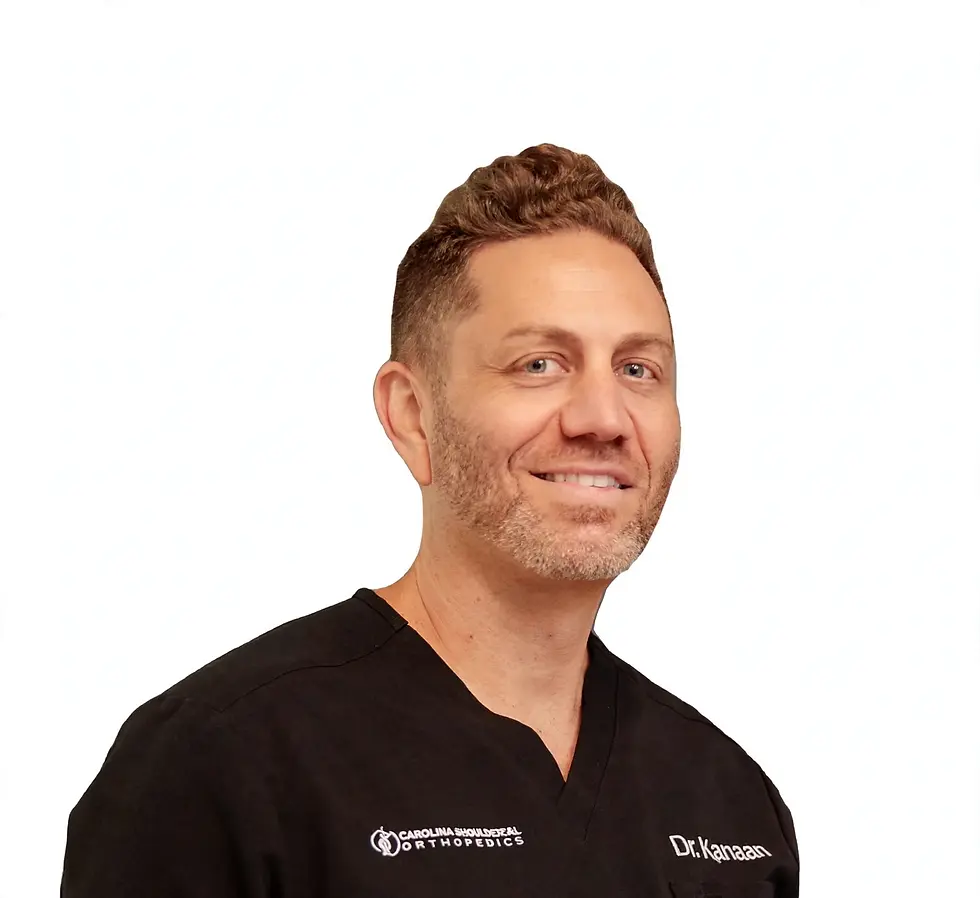
Dr. Matthew Kanaan
Nonsurgical Orthopedic Specialist
Founder of Carolina Nonsurgical Orthopedics. Fellowship trained in sports medicine at Duke; residency in family medicine at Duke, where he served as Chief Resident.
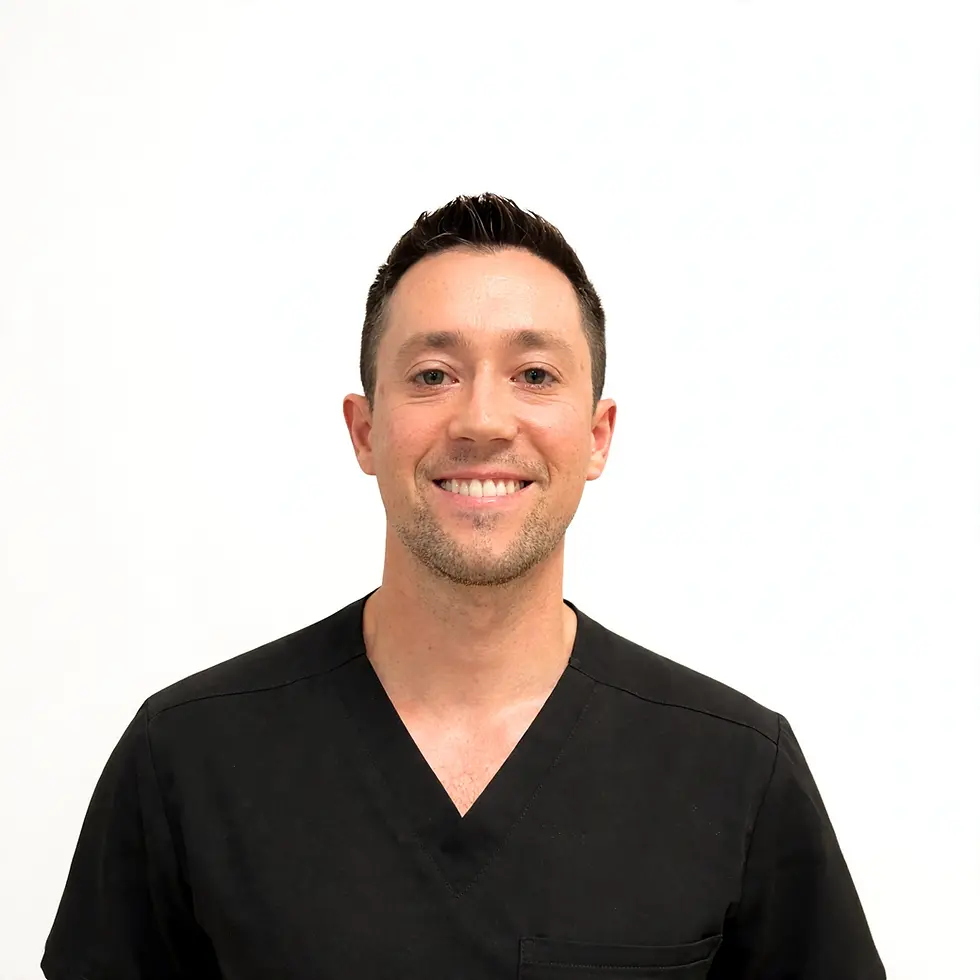
Dr. Pierce Knox
Nonsurgical Orthopedic Specialist
Fellowship trained in nonsurgical sports medicine at Penn Medicine; residency in primary care at Christiana Care.


