
)_edited_pn.png)


Plantar Fasciitis Treatment in Cary, NC: Options Beyond Rest
Updated: 2 days ago
Quick answer: Plantar fasciitis is one of the most common causes of heel pain, but persistent symptoms often require more than stretching for a few minutes each morning. For patients in Cary with heel pain lasting weeks or months, the first step is confirming that the plantar fascia is actually the source.
Plantar fasciitis is one of the most common causes of heel pain, but persistent symptoms often require more than stretching for a few minutes each morning. The plantar fascia is exposed to load with every step, so treatment needs to address both the irritated tissue and the mechanical demands being placed on it.
For patients in Cary with heel pain lasting weeks or months, the first step is confirming that the plantar fascia is actually the source. Nerve irritation, stress injury, heel-pad problems and other conditions can mimic plantar fasciitis and need a different approach.
Typical plantar fasciitis symptoms
Pain is usually located near the inside portion of the heel and is often worst with the first steps after getting out of bed or after sitting. It may improve temporarily as the tissue warms up and then worsen again after prolonged standing, walking or running.
Symptoms that include numbness, burning, marked swelling, pain at rest or a sudden traumatic onset deserve a broader evaluation because they may indicate a different diagnosis.
Why stretching alone may not be enough
Calf and plantar fascia mobility can be useful, but chronic symptoms often persist because the tissue is not tolerating the loads required for daily activity or sport. Progressive strengthening of the calf, foot and kinetic chain can be as important as flexibility.
Footwear, training volume, running surfaces and recent activity changes should also be reviewed. A rapid increase in walking, running or court sports can overload tissue even when no single injury occurred.
The role of ultrasound
Musculoskeletal ultrasound can show plantar fascia thickness, tissue quality and surrounding anatomy. It can also help distinguish a fascia problem from certain cysts, soft-tissue lesions or other local causes of heel pain.
Imaging is not required for every straightforward case, but it can be useful when symptoms are atypical, prolonged or not responding to an appropriate rehabilitation program.
Shockwave therapy
Extracorporeal shockwave therapy uses externally applied acoustic energy and does not require an injection. It has been studied for chronic plantar fasciitis and is often considered when symptoms persist despite a structured conservative program.
Treatment is commonly delivered over multiple sessions. Improvement is typically gradual, and shockwave works best as part of a broader plan that includes load management and strengthening rather than as a stand-alone cure.
Injections and other procedures
Corticosteroid can temporarily reduce pain in selected cases, but repeated injections around the plantar fascia have potential downsides and should be used selectively. PRP is sometimes considered for chronic plantar fascia problems, although evidence and response vary.
Any injection should follow a clear diagnosis and discussion of alternatives. Procedures should not replace progressive rehabilitation when load tolerance remains the central problem.
When to seek evaluation
Persistent heel pain that limits walking, exercise or work despite several weeks of appropriate home treatment is a reasonable reason for evaluation. So are atypical symptoms, recurrent episodes or uncertainty about the diagnosis.
The goal is to identify why the problem has persisted and choose a plan that allows gradual return to normal activity rather than cycling repeatedly between rest and flare-ups.
Related Cary orthopedic resources
Important note
This article is for general educational purposes and is not a substitute for an individual medical evaluation. Treatment recommendations and results vary, and some orthopedic conditions require surgical or other specialty care.
About Your Physicians
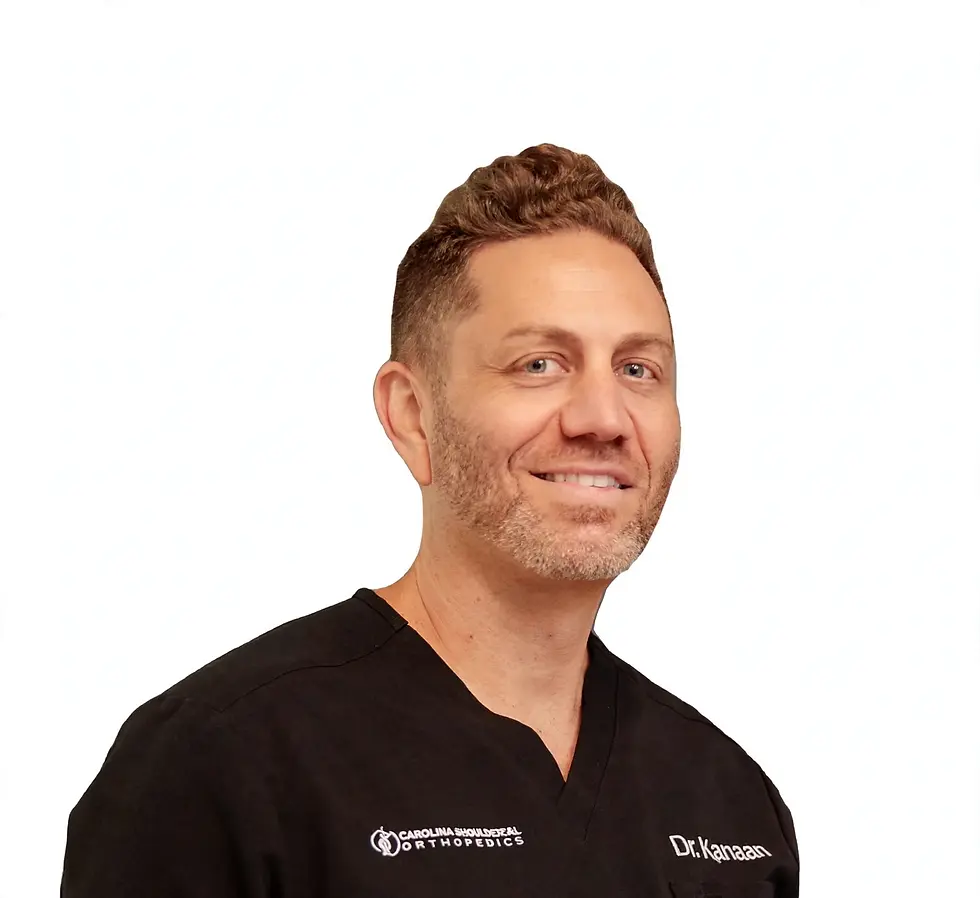
Dr. Matthew Kanaan
Nonsurgical Orthopedic Specialist
Founder of Carolina Nonsurgical Orthopedics. Fellowship trained in sports medicine at Duke; residency in family medicine at Duke, where he served as Chief Resident.
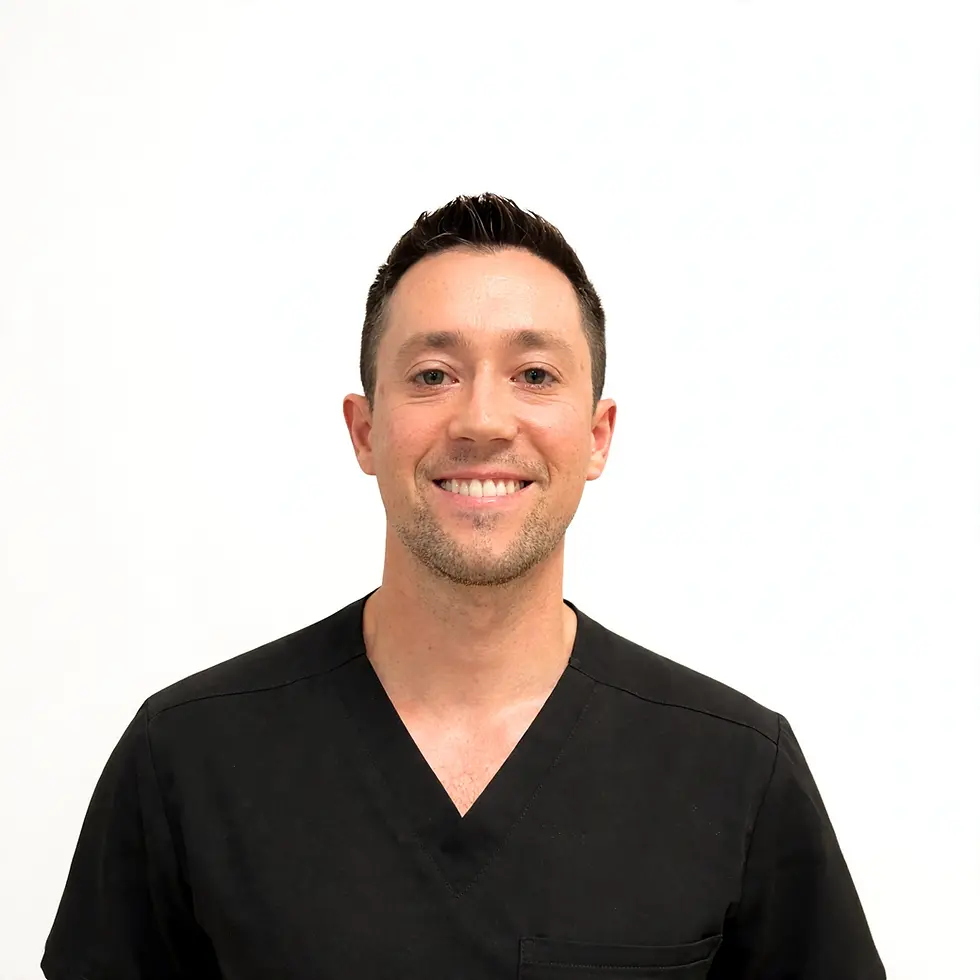
Dr. Pierce Knox
Nonsurgical Orthopedic Specialist
Fellowship trained in nonsurgical sports medicine at Penn Medicine; residency in primary care at Christiana Care.


