
)_edited_pn.png)


PRP Injections: How Much PRP Should Be Injected?
Updated: Oct 15
Quick answer: PRP (platelet-rich plasma) is a concentrated injection of platelets from your own blood, placed under ultrasound guidance. At our Raleigh & Cary offices it is a cash-pay, nonsurgical treatment, and candidacy and exact pricing are reviewed at the evaluation, before you commit. Patients often ask how many milliliters of PRP should be injected.
Patients often ask how many milliliters of PRP should be injected. The visible volume in the syringe is only part of the story. Platelet concentration, total platelet dose, red and white blood cell content and how the PRP is prepared can all affect the final product.
Platelet dose
A preparation with a larger volume is not automatically stronger if platelet concentration is low. Conversely, a small volume can contain a substantial platelet dose. Reporting only the syringe volume tells patients little about the biologic product.
The condition matters
A small tendon target may require a different volume than a large joint. Treating multiple related structures may require more product than a single-site injection. Protocols can differ for knee arthritis, rotator cuff disease and tennis elbow.
Accuracy matters too
Even a well-prepared PRP product is unlikely to help if delivered to the wrong structure. Ultrasound guidance allows the physician to visualize the target. Patients can ask about blood draw volume, platelet concentration, ultrasound guidance and who performs the procedure.
When to seek care
Persistent pain, progressive weakness, recurrent swelling, locking, inability to bear weight after an injury, or symptoms that limit sleep and daily activity deserve medical evaluation. Treatment is most effective when it is based on a clear diagnosis rather than simply the location of pain.
Related care: PRP injections
Carolina Nonsurgical Orthopedics provides physician-led evaluation and nonsurgical treatment for musculoskeletal conditions in Raleigh and Cary, North Carolina. This article is for general education and is not a substitute for an individual medical evaluation.
Related orthopedic resources
A Closer Look at PRP Injections
PRP Injections: How Much PRP Should Be Injected? can remain symptomatic when the involved tissue has not recovered with time, activity modification, and basic conservative care. A focused musculoskeletal examination helps determine whether pain is arising from a tendon, ligament, joint, cartilage surface, or another structure rather than treating the diagnosis as a generic pain complaint.
Nonsurgical Treatment and PRP for condition in Raleigh & Cary
For patients in Raleigh and Cary with persistent PRP Injections: How Much PRP Should Be Injected?, PRP may be considered when the diagnosis and tissue involved make regenerative treatment appropriate. Image guidance can improve treatment precision, while rehabilitation and a gradual return to activity remain important parts of a comprehensive nonsurgical plan.
At Carolina Nonsurgical Orthopedics, the goal when evaluating musculoskeletal pain is to match treatment to the specific diagnosis rather than simply treating the location of pain. Patients in Raleigh and Cary may have options that include targeted rehabilitation, activity modification, shockwave therapy, image-guided injections, PRP, or other regenerative approaches depending on the condition and its severity.
Had PRP somewhere else — and it didn't work?
A failed PRP injection doesn't always mean PRP can't help you. The two most common reasons we see when we review outside treatments are dose — many clinics deliver a fraction of the platelet dose used in the studies that showed benefit, and often never measured it — and placement, when the injection was done without ultrasound guidance and never reached the target it was meant for. If your first treatment was underdosed or unguided, having it done properly is a different procedure, not a repeat of the same one. At an evaluation with us, we'll review what was actually done and tell you honestly whether redoing it right makes sense — or whether something else would serve you better.
About Your Physicians
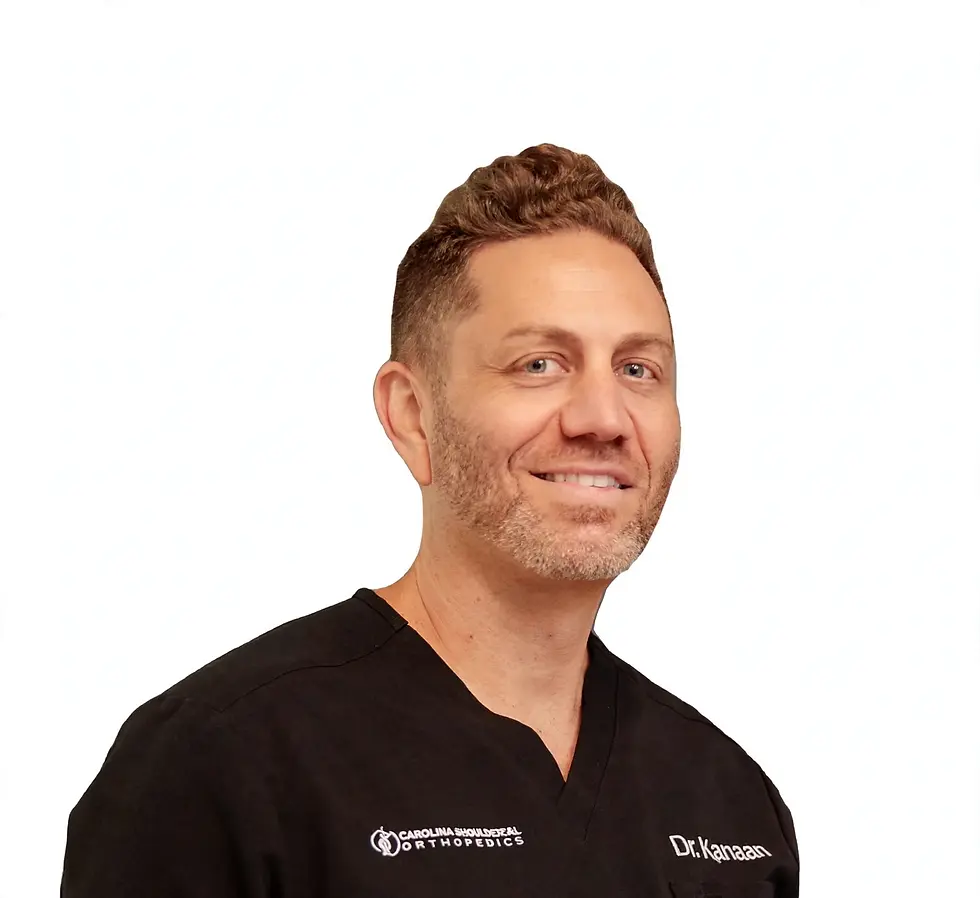
Dr. Matthew Kanaan
Nonsurgical Orthopedic Specialist
Founder of Carolina Nonsurgical Orthopedics. Fellowship trained in sports medicine at Duke; residency in family medicine at Duke, where he served as Chief Resident.
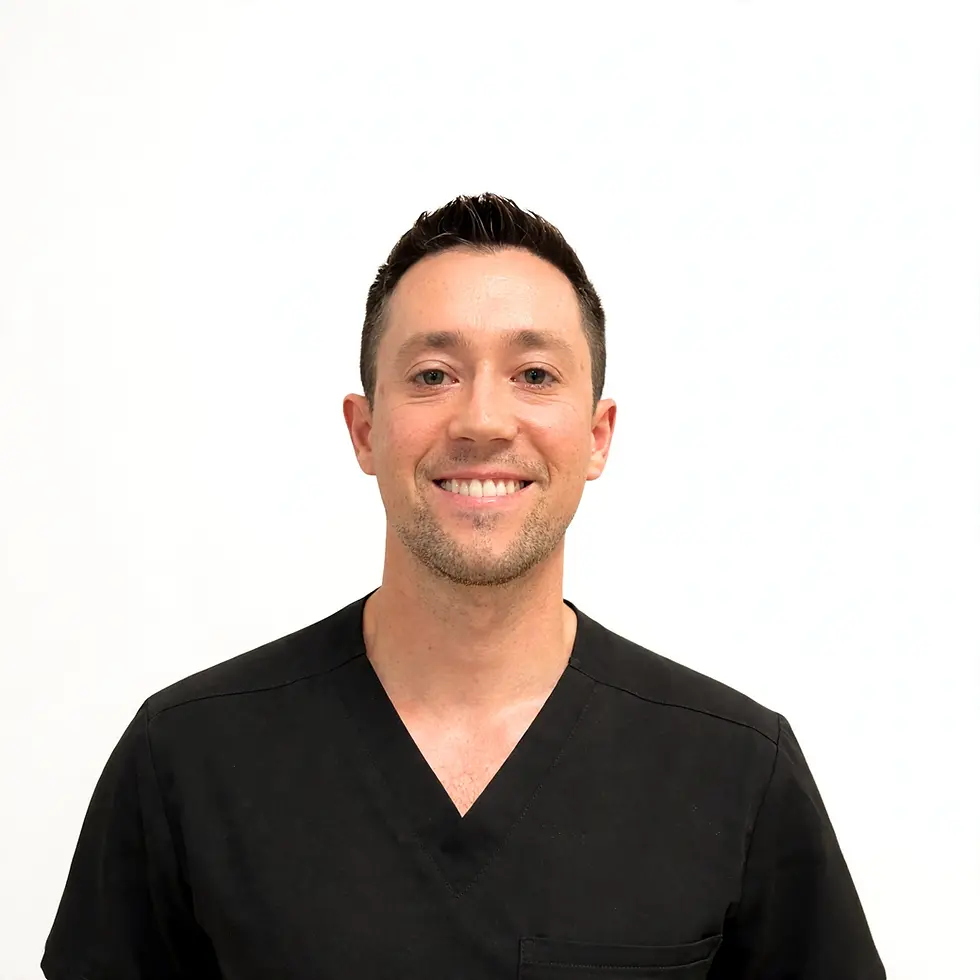
Dr. Pierce Knox
Nonsurgical Orthopedic Specialist
Fellowship trained in nonsurgical sports medicine at Penn Medicine; residency in primary care at Christiana Care.


