
)_edited_pn.png)


PRP vs MFAT for Hip Arthritis: How Are They Different?
Updated: 1 day ago
Quick answer: This post compares PRP and MFAT for Hip Arthritis head-to-head — how each works, where the evidence is stronger, and how we choose for patients in Raleigh & Cary. Patients researching nonsurgical hip arthritis treatments often encounter both PRP and microfragmented adipose tissue, or MFAT.
Patients researching nonsurgical hip arthritis treatments often encounter both PRP and microfragmented adipose tissue, or MFAT. They are different procedures and should not be presented as interchangeable versions of “stem cell therapy.” PRP is prepared from blood and concentrates platelets. MFAT is prepared from a patient’s own adipose tissue using a minimally manipulated tissue-processing approach. The choice depends on the diagnosis, arthritis severity, goals, procedural preferences and physician judgment.
What is PRP?
Platelet-rich plasma is created by drawing blood and processing it to concentrate platelets in plasma. The final product can vary substantially depending on the system and technique. PRP is used in selected orthopedic conditions, including osteoarthritis and some tendon disorders. It is typically a simpler procedure than an adipose harvest.
What is MFAT?
MFAT uses a small amount of the patient’s own adipose tissue, commonly obtained through a mini-lipoaspiration procedure, and mechanically processes it into microfragmented tissue for injection. It should not be marketed as a guaranteed source of regenerative stem-cell cures. Patients should understand exactly what is being collected, processed and injected.
How do the procedures differ?
PRP generally requires a blood draw, processing and an image-guided injection. MFAT requires local preparation for adipose harvesting in addition to processing and injection, so it is more involved. Recovery can include soreness at both the harvest site and the treated hip. The greater procedural complexity does not automatically mean a better result.
Which is better for hip arthritis?
There is no universal answer. Evidence and clinical experience continue to evolve, and outcomes vary. The severity of arthritis, age, function, prior treatments, tolerance for a more involved procedure and cost can influence the decision. A patient with mild disease may not need the same approach as someone with advanced joint degeneration.
What claims should make patients cautious?
Be wary of clinics promising cartilage regrowth, guaranteed avoidance of hip replacement, or a universal stem-cell cure. Orthobiologic treatments should be discussed with realistic limitations. A reputable evaluation should also explain standard nonsurgical options and acknowledge when orthopedic surgery may be appropriate.
How we approach the decision
The first step is identifying whether the hip joint is truly the pain generator. Examination and imaging help distinguish arthritis from tendon problems, lumbar referral and other causes. If an orthobiologic procedure is considered, the choice should follow the diagnosis rather than starting with a product and trying to fit every patient to it.
Related orthopedic resources
Had PRP somewhere else — and it didn't work?
A failed PRP injection doesn't always mean PRP can't help you. The two most common reasons we see when we review outside treatments are dose — many clinics deliver a fraction of the platelet dose used in the studies that showed benefit, and often never measured it — and placement, when the injection was done without ultrasound guidance and never reached the target it was meant for. If your first treatment was underdosed or unguided, having it done properly is a different procedure, not a repeat of the same one. At an evaluation with us, we'll review what was actually done and tell you honestly whether redoing it right makes sense — or whether something else would serve you better.
About Your Physicians
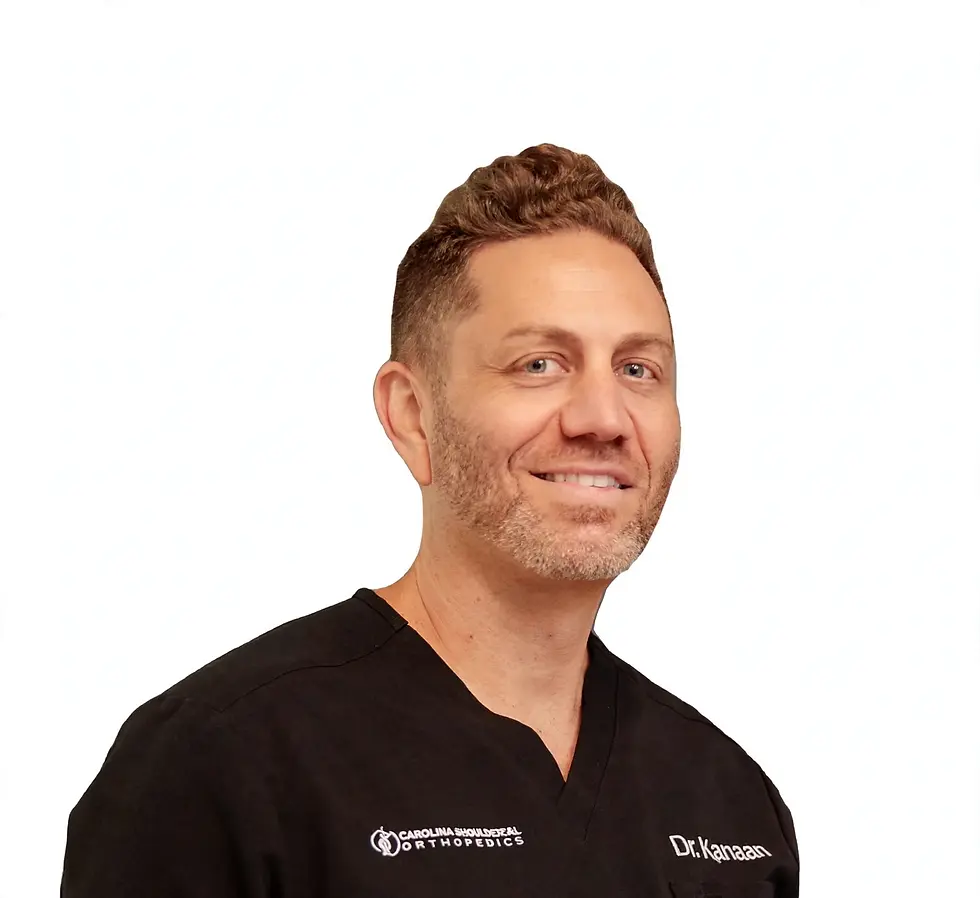
Dr. Matthew Kanaan
Nonsurgical Orthopedic Specialist
Founder of Carolina Nonsurgical Orthopedics. Fellowship trained in sports medicine at Duke; residency in family medicine at Duke, where he served as Chief Resident.
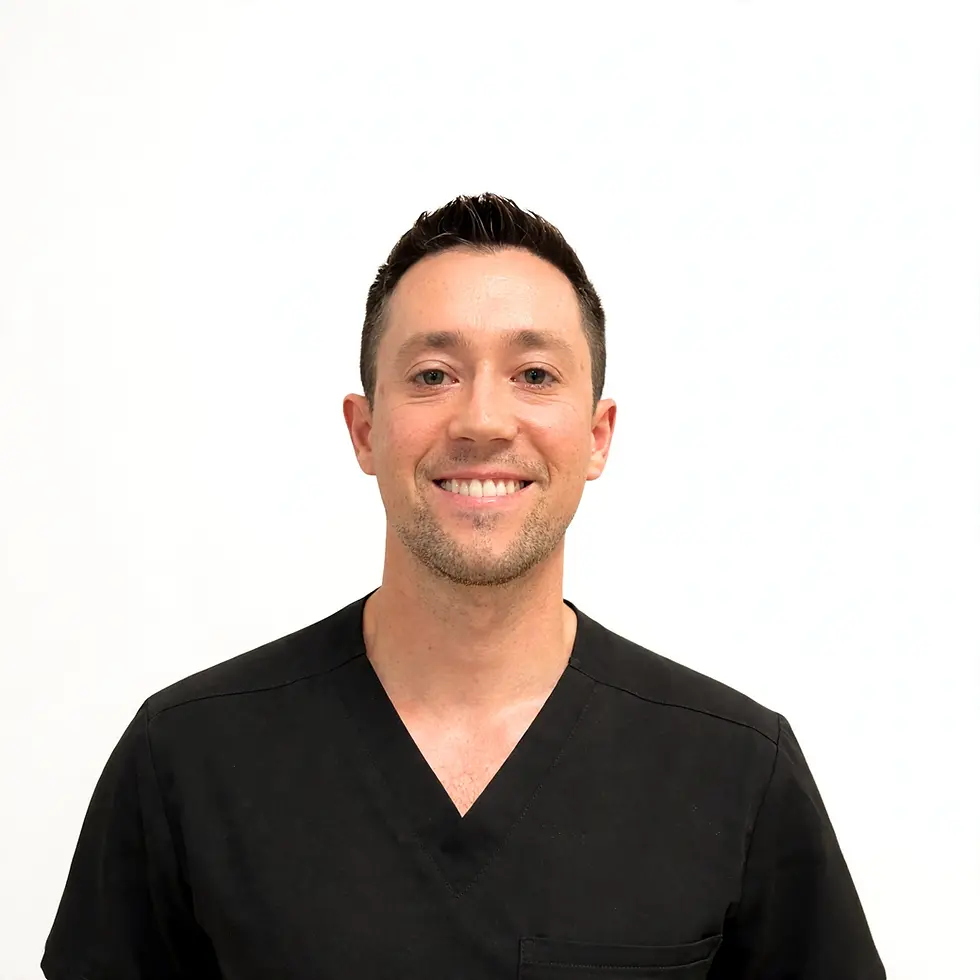
Dr. Pierce Knox
Nonsurgical Orthopedic Specialist
Fellowship trained in nonsurgical sports medicine at Penn Medicine; residency in primary care at Christiana Care.


