
)_edited_pn.png)


Rotator Cuff Tear: Can It Heal Without Surgery?
Updated: 2 days ago
Quick answer: Shoulder pain may arise from the rotator cuff, biceps tendon, labrum, bursa, AC joint, or glenohumeral joint.
Rotator cuff tears range from small partial-thickness defects to large full-thickness tears. Some are traumatic, while others develop gradually with age. Treatment depends on the type of tear, weakness, pain, functional loss and patient goals.
Can the tendon heal?
A chronic full-thickness rotator cuff tear usually does not simply reattach itself to bone. However, symptoms and function can improve substantially without surgery because surrounding muscles can be strengthened and inflammation can settle.
When nonsurgical care is reasonable
Physical therapy, activity modification and gradual strengthening are often appropriate when pain is the main issue and strength is relatively preserved. Selected image-guided injections may be used for associated conditions.
When surgery deserves consideration
A sudden traumatic tear with marked weakness, a large tear in an active patient, progressive loss of strength or failure of a well-designed nonsurgical program may justify surgical consultation. PRP is sometimes used for tendinopathy or partial tears, but evidence is mixed.
When to seek care
Persistent pain, progressive weakness, recurrent swelling, locking, inability to bear weight after an injury, or symptoms that limit sleep and daily activity deserve medical evaluation. Treatment is most effective when it is based on a clear diagnosis rather than simply the location of pain.
Related care: rotator cuff tear treatment
Carolina Nonsurgical Orthopedics provides physician-led evaluation and nonsurgical treatment for musculoskeletal conditions in Raleigh and Cary, North Carolina. This article is for general education and is not a substitute for an individual medical evaluation.
Related orthopedic resources
A Closer Look at Rotator Cuff Tear
Shoulder pain may arise from the rotator cuff, biceps tendon, labrum, bursa, AC joint, or glenohumeral joint. Pain with overhead activity, reaching behind the back, lifting, or sleeping on the affected side can help narrow the diagnosis, and diagnostic ultrasound can provide useful real-time information about many shoulder structures.
Nonsurgical Treatment and PRP for shoulder in Raleigh & Cary
When chronic shoulder symptoms are related to tendinopathy, partial tendon injury, or degenerative joint disease, PRP may be considered as one part of a nonsurgical treatment strategy. The specific structure being treated matters, so image-guided placement is preferable to treating every shoulder problem with the same injection.
At Carolina Nonsurgical Orthopedics, the goal when evaluating shoulder pain is to match treatment to the specific diagnosis rather than simply treating the location of pain. Patients in Raleigh and Cary may have options that include targeted rehabilitation, activity modification, shockwave therapy, image-guided injections, PRP, or other regenerative approaches depending on the condition and its severity.
About Your Physicians
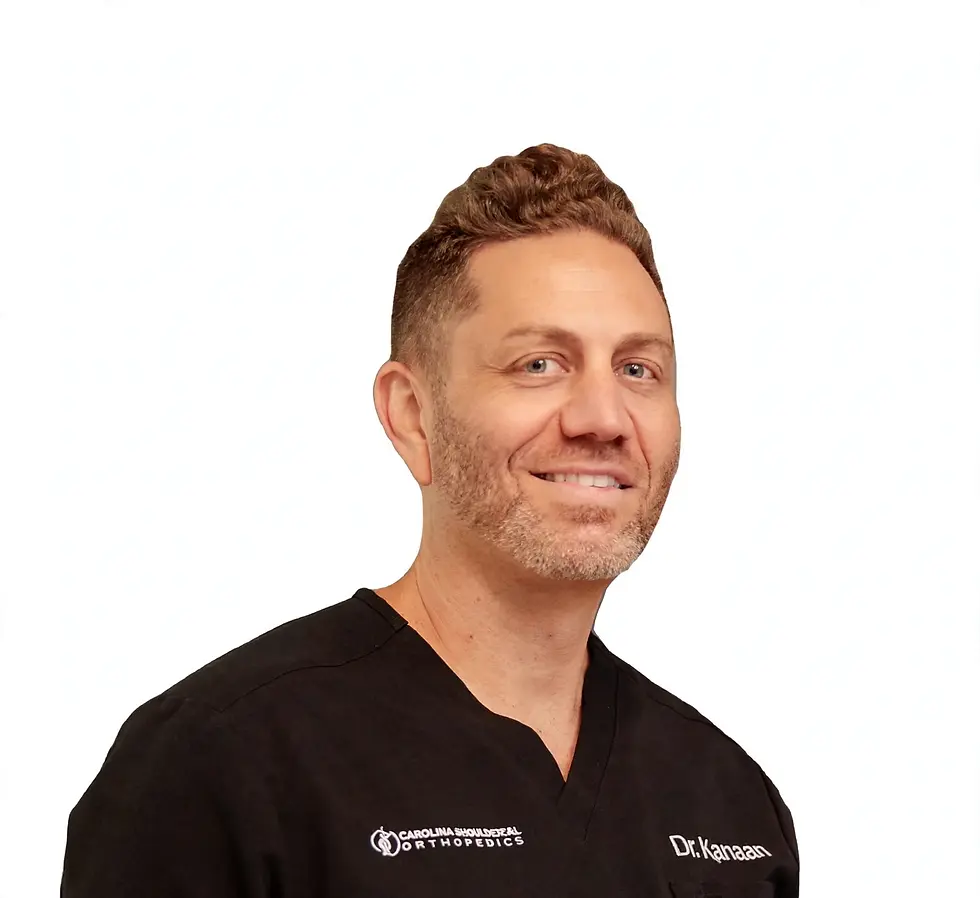
Dr. Matthew Kanaan
Nonsurgical Orthopedic Specialist
Founder of Carolina Nonsurgical Orthopedics. Fellowship trained in sports medicine at Duke; residency in family medicine at Duke, where he served as Chief Resident.
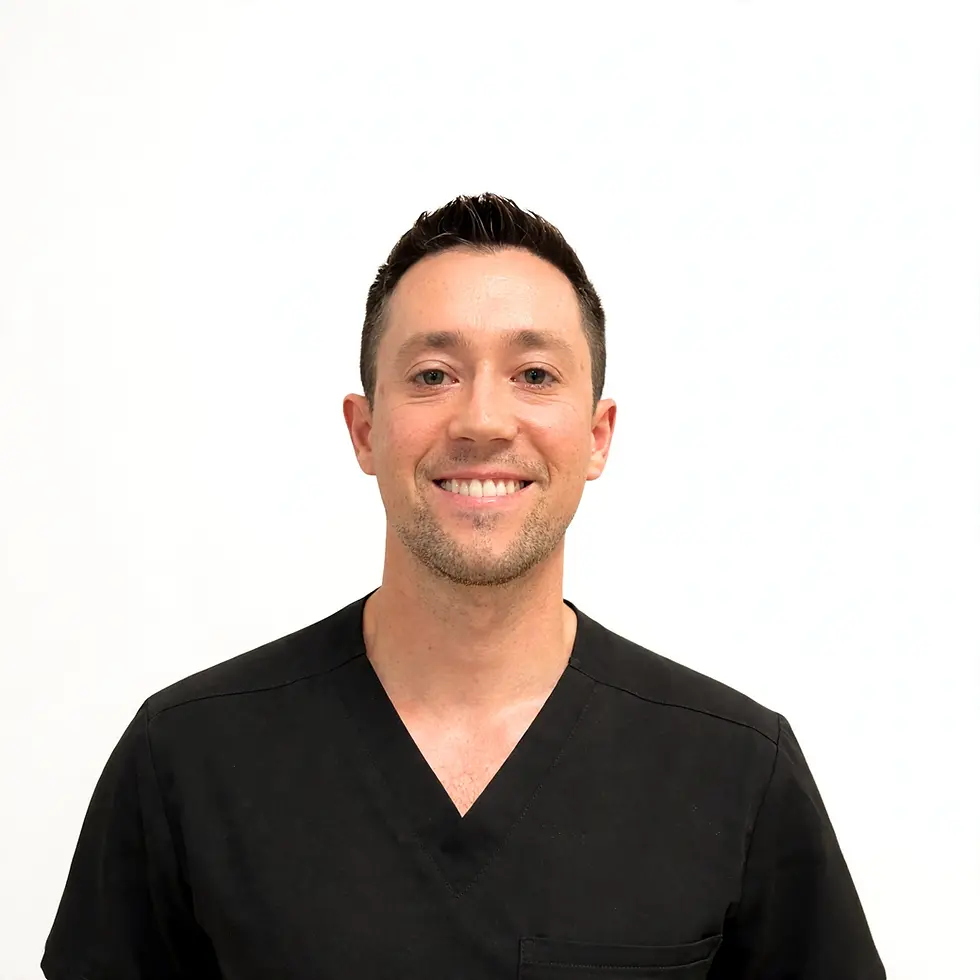
Dr. Pierce Knox
Nonsurgical Orthopedic Specialist
Fellowship trained in nonsurgical sports medicine at Penn Medicine; residency in primary care at Christiana Care.


