
)_edited_pn.png)


Rotator Cuff Tear Treatment in Cary, NC Without Surgery
Updated: Oct 14
Quick answer: For patients in Cary, the most important distinction is often whether the tear is an incidental age-related finding, a symptomatic chronic tear that can be rehabilitated or an acute repairable injury that deserves surgical input. Age, weakness, activity level, tear size, muscle quality and how the injury occurred all influence the best treatment.
A rotator cuff tear does not automatically mean surgery, but it also should not automatically be treated nonsurgically. Tears range from small degenerative partial-thickness defects to large traumatic full-thickness tears. Age, weakness, activity level, tear size, muscle quality and how the injury occurred all influence the best treatment.
For patients in Cary, the most important distinction is often whether the tear is an incidental age-related finding, a symptomatic chronic tear that can be rehabilitated or an acute repairable injury that deserves surgical input.
Partial versus full-thickness tears
Partial-thickness tears involve only part of the tendon thickness and are common with age and repetitive use. Many can be managed with progressive strengthening and load modification, particularly when strength is relatively preserved.
Full-thickness tears extend through the entire tendon. Some chronic full-thickness tears can still function well with rehabilitation, while acute traumatic tears with new weakness may benefit from earlier surgical consultation. The imaging label alone does not determine treatment.
What symptoms matter most
Pain at night and with overhead activity is common, but weakness is particularly important. Difficulty raising the arm after a new injury, loss of external-rotation strength or a sudden change in function should raise concern for a more significant tear.
Chronic pain without major weakness is often approached differently. In those cases, addressing stiffness, scapular mechanics, rotator cuff endurance and aggravating activities may substantially improve function even if the structural tear remains visible on imaging.
Ultrasound and MRI
Musculoskeletal ultrasound can visualize many rotator cuff tears dynamically and can show tendon thickness, retraction, bursal fluid and calcification. It is especially useful when performed as part of the clinical examination.
MRI provides a broader view of the shoulder and may be preferred when a large tear, muscle atrophy, labral pathology or surgical planning is being considered. Imaging should answer a clinical question rather than be ordered automatically.
Rehabilitation is the foundation
A well-designed program usually focuses on restoring comfortable motion, improving scapular control and progressively loading the remaining cuff. The goal is not simply to avoid using the arm. Tendons generally need appropriate loading to regain capacity.
Improvement can take weeks to months, particularly when symptoms have been present for a long time. Progress should be judged by function, strength and tolerance of normal activity rather than pain alone on any single day.
Where injections may fit
An injection can sometimes reduce pain enough to allow better participation in rehabilitation, but the choice depends on the diagnosis and tissue involved. Corticosteroid may be useful in selected inflammatory situations, yet repeated exposure around tendon tissue should be used thoughtfully.
PRP may be considered for selected chronic tendon problems or partial tears, but evidence is mixed by tear type and severity. PRP should not be marketed as a guaranteed way to regrow a completely torn tendon. Ultrasound guidance can help target the intended structure when a procedure is chosen.
When surgery deserves serious consideration
A large acute traumatic tear, substantial new weakness, progressive loss of function or failure of an appropriate nonsurgical program can justify surgical evaluation. Younger active patients with repairable traumatic tears may have different goals and timelines than older adults with chronic degenerative changes.
The best decision is individualized and should account for both structural findings and the patient’s functional demands.
Related Cary orthopedic resources
Important note
This article is for general educational purposes and is not a substitute for an individual medical evaluation. Treatment recommendations and results vary, and some orthopedic conditions require surgical or other specialty care.
About Your Physicians
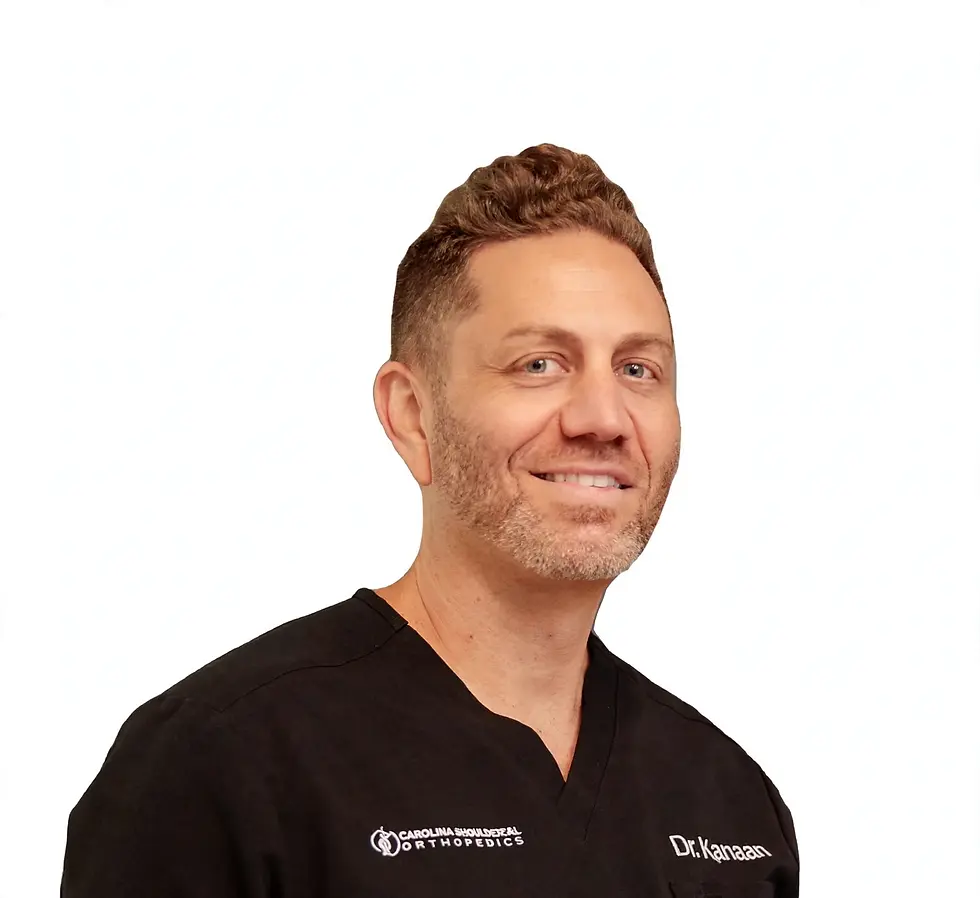
Dr. Matthew Kanaan
Nonsurgical Orthopedic Specialist
Founder of Carolina Nonsurgical Orthopedics. Fellowship trained in sports medicine at Duke; residency in family medicine at Duke, where he served as Chief Resident.
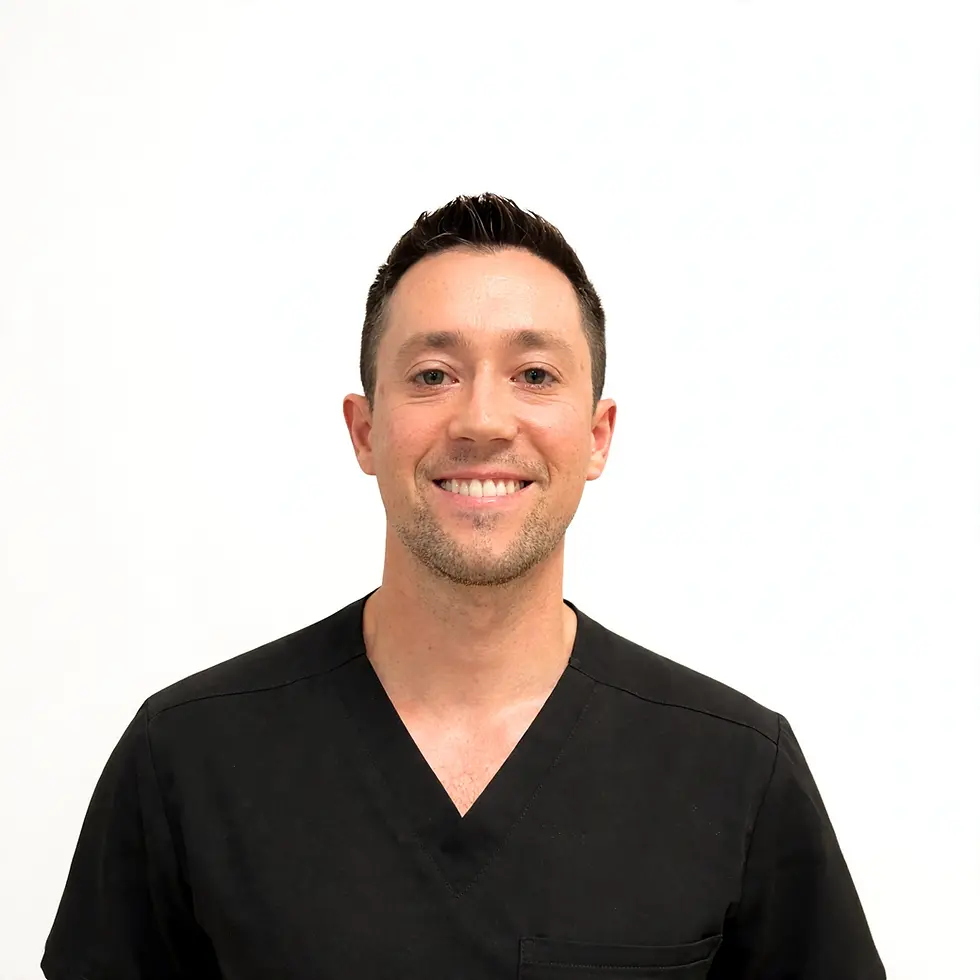
Dr. Pierce Knox
Nonsurgical Orthopedic Specialist
Fellowship trained in nonsurgical sports medicine at Penn Medicine; residency in primary care at Christiana Care.


