


What Is Stem Cell Therapy? A Plain-English Explainer
Updated: Oct 14
Quick answer: Cell therapy (MFAT) uses your own microfragmented adipose tissue, prepared and injected the same day under ultrasound guidance. It is a cash-pay, nonsurgical option we offer in Raleigh & Cary for selected joint and tendon problems, and candidacy is decided at an evaluation. Here's what orthopedic stem cell therapy actually is, in plain English.
"Stem cell therapy" might be the most misunderstood phrase in orthopedics. Patients arrive with two opposite misconceptions: that it's either a miracle cure grown in a lab, or something ethically controversial involving embryos. It's neither. Here's what orthopedic stem cell therapy actually is, in plain English.
First: What It Isn't
Let's clear the biggest confusion first. Orthopedic stem cell therapy has nothing to do with embryonic stem cells. No embryos, no fetal tissue, no lab-grown cells. The cells come from your own body, harvested the same day, processed in the office, and injected back into you — usually within a couple of hours.
When a clinic advertises "stem cell therapy" for knees, shoulders, or hips, they're almost always talking about one of two things:
MFAT — micro-fragmented adipose tissue. A small amount of your own fat is harvested through a mini-liposuction (usually from the flank or abdomen), mechanically processed to concentrate the useful cells and growth factors, and injected into the painful joint or tendon.
Bone marrow concentrate (BMAC). Bone marrow is drawn from the back of the pelvis under local anesthesia, then spun in a centrifuge to concentrate the cell-rich fraction before injection.
Both use your own tissue. Both are done in the office. Neither involves anything grown, cultured, or sourced from anyone else.
Why Fat and Bone Marrow?
Adipose tissue and bone marrow are the body's richest accessible sources of mesenchymal signaling cells — the cells involved in tissue repair and maintenance. The honest framing: these preparations contain a mix of cell types, growth factors, and anti-inflammatory signals. The working theory is that they modulate the joint environment — calming inflammation and supporting the body's own repair processes — rather than transforming into new cartilage or tendon.
That last point matters, because it's where marketing often outruns evidence. Nobody has shown that these injections regrow cartilage in a human joint. Clinics that promise regeneration are selling something the literature doesn't support. What the better studies do show is meaningful pain reduction and functional improvement for selected conditions — real outcomes, just not the miraculous ones.
What Does the Evidence Actually Support?
The evidence base is early and mixed, and anyone telling you otherwise is selling something. Here's the fair summary:
Knee osteoarthritis has the most studied data. Multiple randomized trials and reviews suggest MFAT and bone marrow concentrate can reduce pain and improve function, with effects often lasting a year or more in responders. Results vary significantly between patients.
Tendinopathy (tennis elbow, Achilles, rotator cuff) has smaller, less consistent evidence — some encouraging studies, nothing definitive.
Hip and shoulder arthritis have thinner evidence than the knee.
What it's not proven for: regrowing cartilage, reversing advanced bone-on-bone arthritis, or fixing mechanical problems like a torn meniscus flap catching in the joint.
Patient selection is most of the game. Moderate arthritis with preserved joint space responds better than end-stage bone-on-bone disease. A careful evaluation — history, exam, imaging — is what separates appropriate candidates from people being sold an expensive injection that can't help them.
MFAT vs. Bone Marrow: What's the Difference?
Both are your own cells, but they differ in practical ways:
Harvest: MFAT comes from a mini-liposuction (small incision, local anesthesia, usually the love-handle area). Bone marrow comes from the posterior pelvis — also under local anesthesia, but generally the more uncomfortable harvest of the two.
Cell yield: Fat tissue contains a higher concentration of the relevant cells per volume than bone marrow, which is one reason many practices have moved toward MFAT.
Evidence: Both have supporting studies; neither has clearly proven superior to the other in head-to-head trials.
At Carolina Nonsurgical Orthopedics, we offer MFAT (micro-fragmented adipose tissue) therapy — you can read the full details of how we perform it, what it costs, and who it's for on that page.
What About "Umbilical Cord" or "Amniotic" Stem Cells?
You'll see these advertised, sometimes at premium prices. Be skeptical. These are donor-derived products, and despite the marketing, they contain no living stem cells by the time they're processed and sold — regulatory rules prohibit that. What you're buying is essentially a growth-factor product with far less evidence behind it than your own fat or bone marrow. We don't offer them, and we'd advise caution anywhere that leads with them.
The Regulatory Reality
Orthopedic cell therapy exists in a gray zone. Using your own minimally manipulated tissue the same day is permitted under current FDA frameworks — which is why legitimate practices do it this way. Cultured or expanded cells (grown in a lab over weeks) are a different regulatory category and aren't legally offered in U.S. clinics. If a U.S. clinic offers you "expanded" stem cells, that's a red flag.
Who's a Candidate — and Who Isn't?
Better candidates: Moderate knee, hip, or shoulder arthritis; chronic tendinopathy that hasn't responded to rehab and PRP; patients wanting to delay or avoid joint replacement; people who understand this is a procedure with variable results, not a guarantee.
Poor candidates: End-stage bone-on-bone arthritis with major deformity (replacement is usually the honest answer); active infection or cancer; unrealistic expectations of regrowing a new joint; anyone being rushed into a decision without imaging and an exam.
When to Get Evaluated
Arthritis pain limiting activity despite conservative care
You've been told you're "not bad enough for replacement yet" but you're suffering now
Chronic tendon pain that hasn't responded to rehab, PRP, or shockwave
You want a straight answer about whether cell therapy fits your specific joint — not a sales pitch
Schedule Your Evaluation
Call Carolina Nonsurgical Orthopedics at 919.719.2270 or schedule your visit online. With offices in Raleigh and Cary, NC — and in-office X-ray and ultrasound for same-day diagnosis — we'll tell you honestly whether you're a candidate, what the evidence says for your condition, and what it doesn't.
About Your Physicians
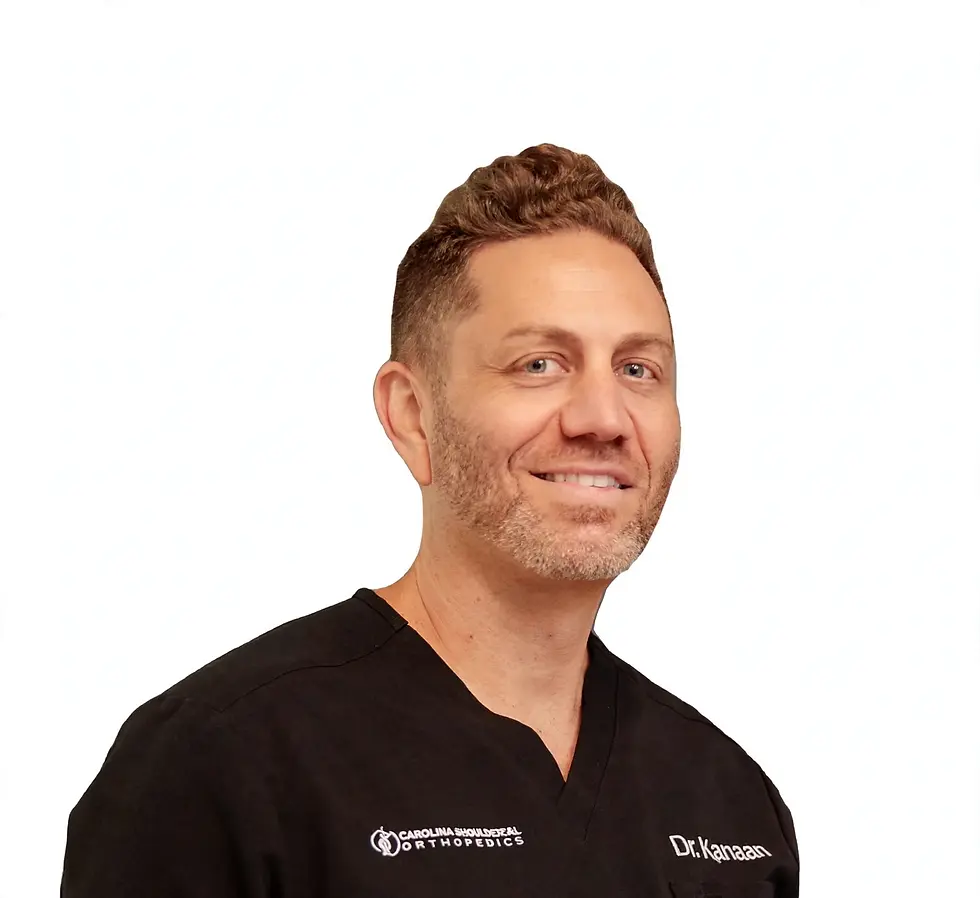
Dr. Matthew Kanaan
Nonsurgical Orthopedic Specialist
Founder of Carolina Nonsurgical Orthopedics. Fellowship trained in sports medicine at Duke; residency in family medicine at Duke, where he served as Chief Resident.
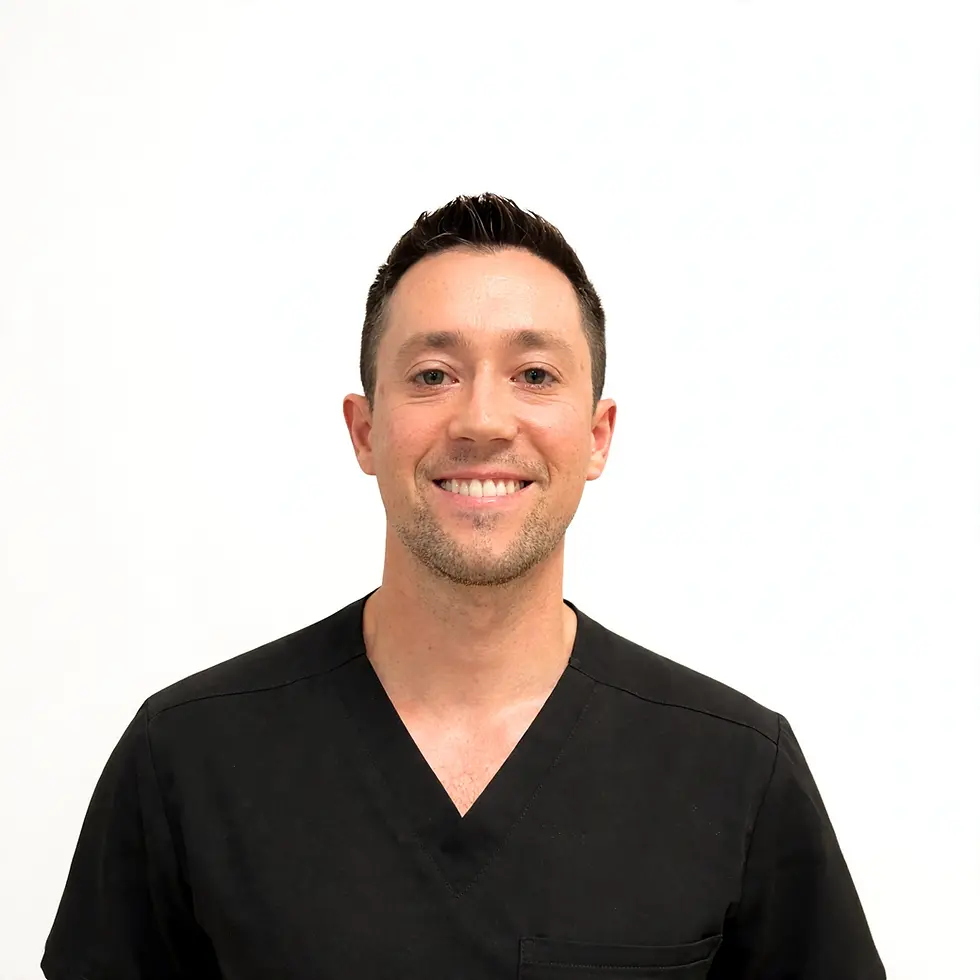
Dr. Pierce Knox
Nonsurgical Orthopedic Specialist
Fellowship trained in nonsurgical sports medicine at Penn Medicine; residency in primary care at Christiana Care.


