
)_edited_pn.png)


Can PRP Help a Rotator Cuff Tear?
Updated: 1 day ago
Quick answer: PRP (platelet-rich plasma) is a concentrated injection of platelets from your own blood, placed under ultrasound guidance. At our Raleigh & Cary offices it is a cash-pay, nonsurgical treatment, and candidacy and exact pricing are reviewed at the evaluation, before you commit. PRP may be considered for selected nonsurgical cases, particularly when tendon degeneration and persistent pain are present, but it should not be described as a guaranteed way to close or regenerate every tear.
PRP is often discussed for rotator cuff injuries, but “rotator cuff tear” covers a wide range of problems. Tendinopathy, small partial-thickness tears, larger partial tears and full-thickness tears are not the same condition. PRP may be considered for selected nonsurgical cases, particularly when tendon degeneration and persistent pain are present, but it should not be described as a guaranteed way to close or regenerate every tear.
Start with the type of rotator cuff problem
The rotator cuff is a group of tendons that stabilize and move the shoulder. Ultrasound or MRI can help determine whether the tendon is thickened and degenerative, partially torn or fully torn. The amount of weakness, loss of motion, injury mechanism and duration of symptoms are also important when deciding on treatment.
Where PRP may fit
PRP may be considered in selected patients with chronic rotator cuff tendinopathy or certain partial-thickness tears that have not improved enough with rehabilitation and activity modification. The goal is generally improvement in pain and function. Evidence varies by diagnosis and technique, so treatment should be individualized rather than offered as a standard injection for every shoulder.
Why image guidance matters
Shoulder pain can arise from the rotator cuff, bursa, biceps tendon, joint or other structures. Ultrasound allows the physician to evaluate many of these structures dynamically and guide the needle to the intended target. Precision is particularly important when the treatment is directed at a tendon rather than simply placed somewhere around the shoulder.
What PRP cannot promise
PRP cannot reliably restore a large retracted full-thickness tear to normal anatomy. It also cannot correct major tendon retraction, severe muscle atrophy or advanced shoulder arthritis. Marketing that promises universal tendon regrowth should be viewed cautiously.
When surgery deserves consideration
Acute traumatic full-thickness tears, substantial weakness, large or retracted tears, and persistent functional loss may warrant orthopedic surgical consultation. Age, activity demands, tear size and chronicity all influence the decision. A nonsurgical physician should recognize when preserving a surgical option is more important than trying another injection.
Rehabilitation still matters
Rotator cuff recovery usually depends on restoring shoulder motion, scapular control and progressive tendon loading. PRP, when used, is best viewed as an adjunct to a broader treatment plan. The success of treatment should be judged by function: reaching, sleeping, lifting and returning to desired activity.
Related orthopedic resources
Had PRP somewhere else — and it didn't work?
A failed PRP injection doesn't always mean PRP can't help you. The two most common reasons we see when we review outside treatments are dose — many clinics deliver a fraction of the platelet dose used in the studies that showed benefit, and often never measured it — and placement, when the injection was done without ultrasound guidance and never reached the target it was meant for. If your first treatment was underdosed or unguided, having it done properly is a different procedure, not a repeat of the same one. At an evaluation with us, we'll review what was actually done and tell you honestly whether redoing it right makes sense — or whether something else would serve you better.
About Your Physicians
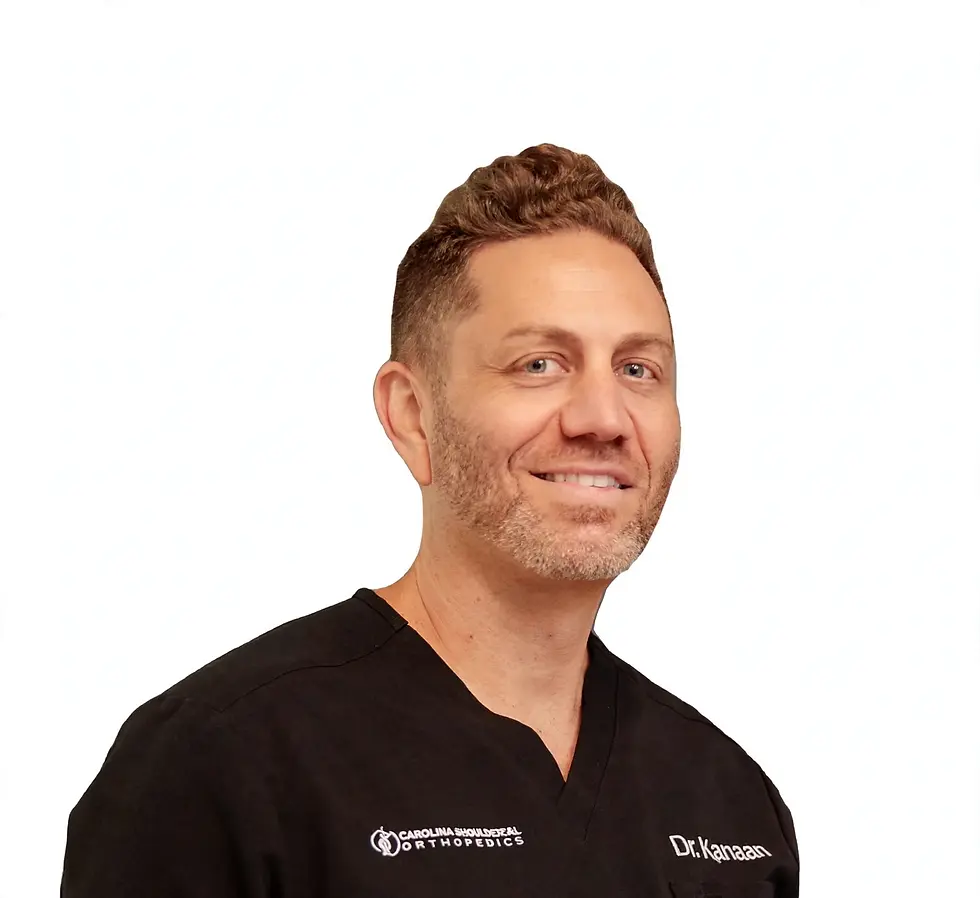
Dr. Matthew Kanaan
Nonsurgical Orthopedic Specialist
Founder of Carolina Nonsurgical Orthopedics. Fellowship trained in sports medicine at Duke; residency in family medicine at Duke, where he served as Chief Resident.
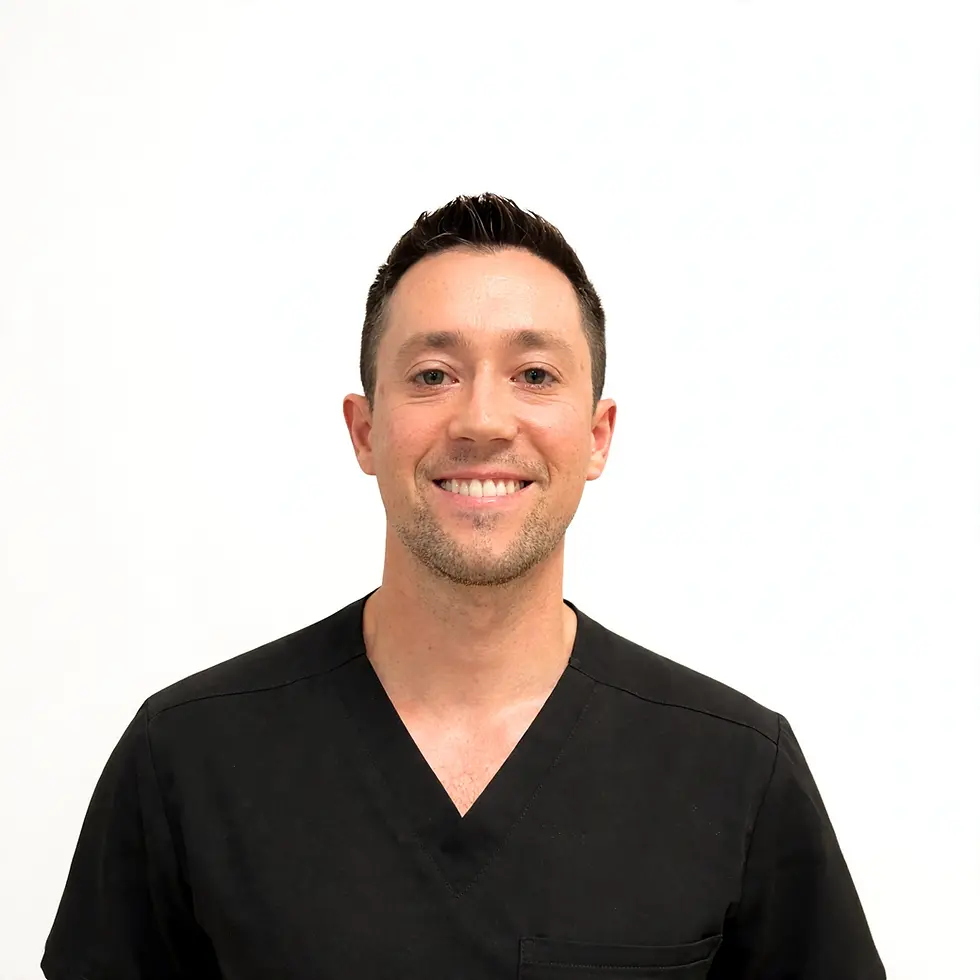
Dr. Pierce Knox
Nonsurgical Orthopedic Specialist
Fellowship trained in nonsurgical sports medicine at Penn Medicine; residency in primary care at Christiana Care.


